


Detector de IA What Can It Really Tell You About a Text?
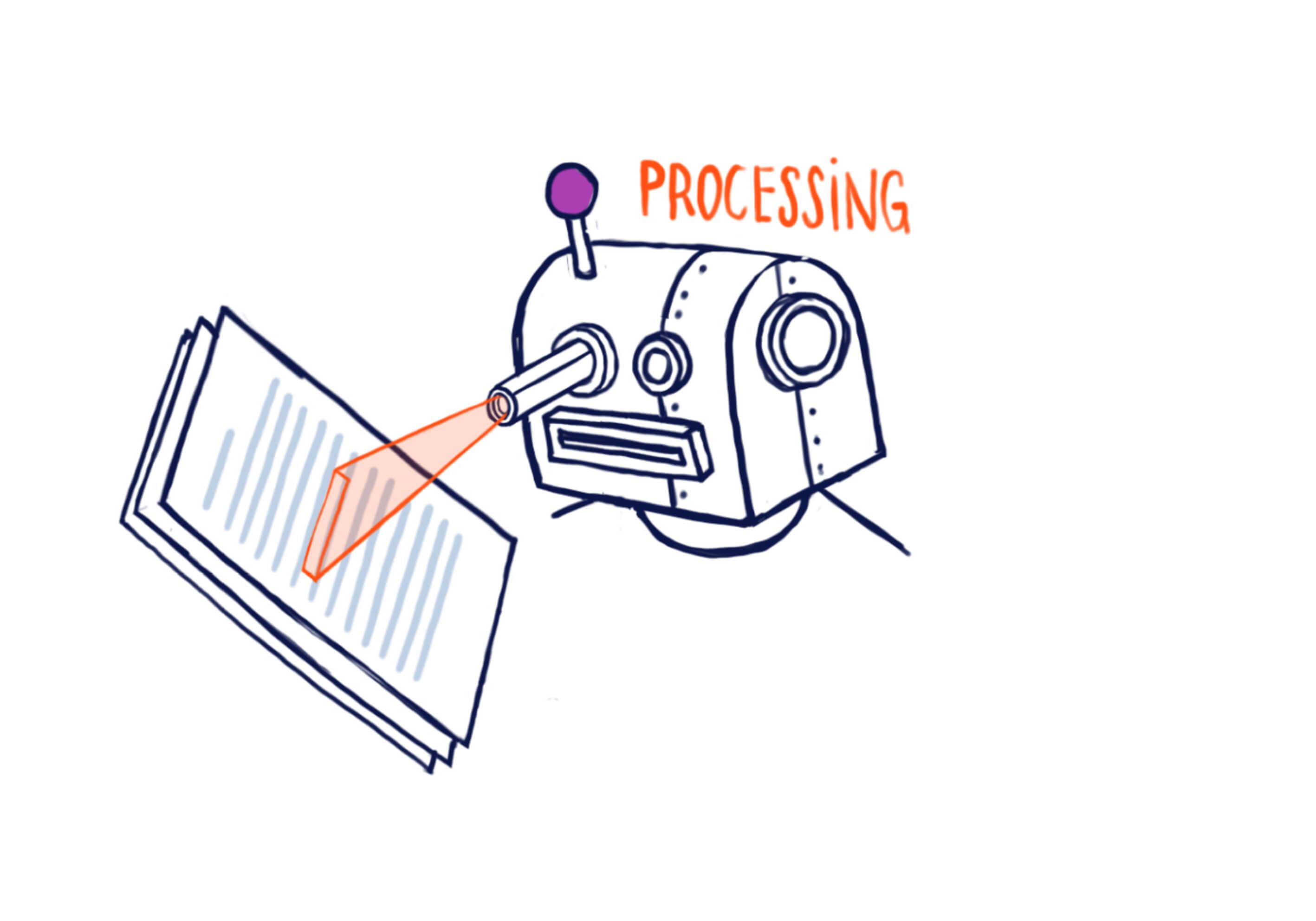
You read an article and something feels slightly off. The sentences are perfectly formed, the grammar is clean, and every paragraph seems to follow a logical pattern. Yet the writing does not quite sound like a person.
That is one reason AI detection has become part of the conversation around online content.
With tools such as ChatGPT and other writing assistants now widely used, it can be difficult to tell where human writing ends and AI-generated text begins. A detector de ia can help investigate that question by examining the way a piece of content is written rather than simply looking for specific words or phrases.
But there is more to AI detection than entering text into a tool and accepting whatever percentage appears on the screen.
Why Are People Checking Content for AI?
The answer depends on who is reading the content.
A teacher may want to know whether a student's assignment reflects their own work. An editor may want to review an article before publishing it. A business might check content produced by freelancers, while a writer may simply want to understand why a draft is being flagged as AI-like.
These situations are different, but they have one thing in common: authorship and originality matter.
At the same time, using AI during the writing process does not automatically mean that the final piece is low quality. Someone might use an AI tool to generate ideas, fix grammar, translate a paragraph, or overcome writer's block and then rewrite the material extensively themselves.
That is why AI detection needs context.
How Does a Detector de IA Analyze Writing?
An AI detector does not have a magic button that tells it exactly who wrote a paragraph. Instead, it looks for patterns that can be associated with machine-generated writing.
It Looks Beyond Individual Words
AI-generated text can sometimes have predictable sentence structures, repeated patterns, or a particular level of uniformity. Detection systems can analyze these and other characteristics to estimate whether content resembles AI-generated writing.
For example Isgen examines writing patterns at different levels and can identify content as Human, AI, or Mixed. It can also provide sentence- and phrase-level insights, giving users more information than a single overall score.
That distinction matters because a document may not be entirely AI-generated.
Human and AI Writing Can Exist in the Same Document
Imagine a student writes five paragraphs but uses an AI tool to improve two of them. Or a marketer writes an article from scratch and uses AI to rewrite a few sentences.
Calling the entire document “AI-written” would miss that difference.
Mixed-content analysis can provide a more useful starting point by showing which sections deserve a closer look.
Can AI Detectors Be 100% Accurate?
No detection system should be treated as an unquestionable authority.
Human writing can sometimes look highly predictable, especially when it follows a formal academic or professional style. Likewise, AI-generated writing can be heavily edited until it sounds much more natural.
Isgen itself explains that AI detection is not 100% accurate. Its results are intended to help users analyze content rather than serve as absolute proof of authorship.
This is an important distinction, particularly in education or professional settings. A detection result can be a reason to investigate a piece of writing, but it should not replace conversation, evidence, or human judgment.
Where Can AI Detection Actually Help?
AI detection can fit naturally into several everyday workflows.
For Students and Teachers
Students can use a detector to review their own work before submitting an assignment. If a section produces an unexpected result, they can revisit how it was written and make sure the content genuinely reflects their understanding.
Teachers can also use detection results as one piece of information when reviewing questionable submissions.
For Writers and Publishers
Editors often need content that sounds natural, provides useful information, and reflects the intended voice. Running a draft through an AI detector can add another checkpoint before publication.
It can be particularly useful when several writers or freelancers are contributing to the same website.
Use Detection as a Starting Point, Not a Verdict
The biggest mistake is treating an AI score as the entire story.
If a detector flags a paragraph, read the paragraph again. Check whether the facts are correct, whether the wording sounds natural, and whether the writer can explain the ideas in their own words.
That approach is much more useful than chasing a particular percentage.
For anyone publishing online, the bigger goal should remain clear: create content that is genuinely useful to the reader. AI tools can be part of that process, but thoughtful editing, accurate information, original insights, and a real understanding of the subject still make the difference.
Final Thoughts
AI detection is becoming less about asking, “Did a machine write this?” and more about understanding how a piece of content was produced.
A detector de ia can provide useful signals, especially when it offers detailed feedback instead of reducing an entire article to one number. But those signals work best when combined with human review and common sense.
Whether you are a student checking an assignment, an editor reviewing a contributor's article, or a writer curious about your own draft, the goal should not be to blindly chase a score. The goal is to understand the content better—and make sure the final version genuinely communicates what you want to say.

 English
 Arabic
 French
 Spanish
 Portuguese
 Turkish
 Dutch
Dutch
 Italiano
 Russian
 Romaian
 Portuguese (Brazil)
 Greek
Greek
