


Choosing the Right Inverter for Longer Lifespan in Commercial Solar Installations in Australia
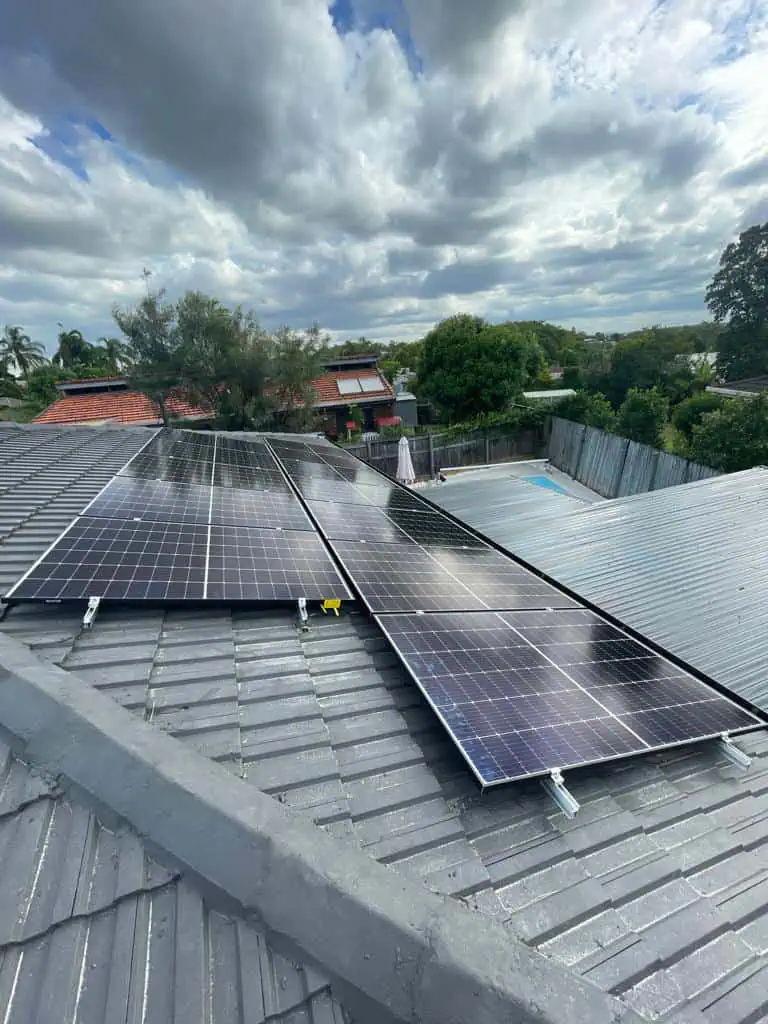
A commercial solar system is a significant investment for any Australian business, and the inverter plays a central role in determining how effectively that investment performs. Solar panels generate DC electricity, while the inverter converts it into AC electricity that a business can use. It also manages important functions such as system monitoring, energy conversion, and fault detection.
Choosing an inverter should therefore involve more than comparing purchase prices. The right equipment should match the site's energy requirements, environmental conditions, solar array, and long-term operating expectations. A well-selected inverter can support reliable performance and help reduce avoidable maintenance and replacement costs.
Match the Inverter to the Solar System
One of the first considerations is compatibility between the inverter and the solar panel array. The inverter should be appropriately sized for the system's expected electricity generation and operating conditions.
An inverter that is poorly matched to the solar array may not deliver the desired performance. Commercial systems can also have different load profiles depending on whether they are installed at factories, warehouses, offices, retail facilities, farms, or hospitality properties.
Understanding the site's electricity consumption and expected solar generation helps determine the most suitable inverter configuration.
Consider the Australian Climate
Australia's climate varies considerably between regions. Commercial solar equipment may be exposed to high temperatures, humidity, dust, salt air, storms, or other environmental conditions.
Temperature is particularly important because electronic equipment can experience additional thermal stress when operating in very hot environments. An inverter installed in a location with inadequate ventilation may experience higher operating temperatures than one installed in a properly designed environment.
Businesses should therefore select equipment with environmental specifications suitable for their location and installation conditions.
Evaluate Inverter Efficiency
Inverter efficiency determines how effectively DC electricity generated by solar panels is converted into usable AC electricity. While modern inverters can achieve high conversion efficiency, small differences can become meaningful across large commercial installations over many years.
Businesses should consider efficiency alongside other factors such as reliability, operating range, warranty, monitoring capabilities, and compatibility. The most efficient inverter is not automatically the best choice if it is unsuitable for the site's specific requirements.
Look at Build Quality and Reliability
Commercial solar installations often operate for many years, making equipment reliability an important consideration. Businesses should evaluate the inverter manufacturer's reputation, product specifications, warranty coverage, service support, and availability of replacement components.
A lower upfront price may not represent better value if the equipment requires frequent servicing or becomes difficult to support later.
For commercial applications, long-term reliability should be considered as part of the total cost of ownership rather than simply the initial purchase price.
Choose the Appropriate Inverter Type
Commercial solar projects can use different inverter configurations depending on the system design. String inverters are commonly used for installations where solar arrays can be divided into manageable strings. Larger projects may also use centralised or other specialised inverter configurations.
The right option depends on system size, roof layout, shading, panel orientation, electrical design, maintenance requirements, and future expansion plans.
A professional solar designer can evaluate these factors and recommend an appropriate configuration rather than selecting an inverter based solely on its capacity rating.
Consider Monitoring Features
Modern commercial inverters can provide detailed performance information through digital monitoring platforms. These systems can show solar generation, operational status, alerts, and other performance data.
Monitoring can support preventative maintenance by allowing businesses or system managers to identify unusual production patterns or fault conditions early.
For larger commercial installations, reliable monitoring can also make it easier to evaluate system performance across different periods and identify potential issues before they cause extended downtime.
Think About Future Energy Requirements
A commercial business may expand its operations, add machinery, increase electricity consumption, or install battery storage in the future. These possibilities should be considered when designing the solar system.
Choosing equipment with appropriate flexibility can make future upgrades easier, although oversizing equipment without a clear requirement may not be financially beneficial.
Discussing expected future energy needs during the initial design stage can help create a system that remains practical as the business develops.
Installation Quality Matters
Even a high-quality inverter can experience performance problems if it is installed incorrectly. Proper ventilation, electrical connections, protection equipment, cable management, mounting, and environmental protection all contribute to reliable operation.
Installation should be carried out by appropriately qualified professionals who understand commercial solar requirements and applicable Australian standards.
Focus on Total Lifetime Value
Choosing an inverter for a commercial solar installation should ultimately be a long-term decision. Businesses should look beyond the initial purchase price and consider efficiency, expected operating conditions, warranty support, monitoring, maintenance, compatibility, and potential replacement costs.
The right inverter will depend on the specific property, solar array, energy profile, and operating environment. By selecting equipment carefully and combining it with professional system design and installation, Australian businesses can build a solar system that is better positioned for reliable performance over many years.
A thoughtful inverter selection today can help protect the overall solar investment and support consistent energy generation throughout the system's operating life.
Off-Grid Solar vs Grid Power: How Much Electricity Bill Can You Save?
Solar Battery Cost vs Savings Explained: Payback Period Guide

 English
 Arabic
 French
 Spanish
 Portuguese
 Deutsch
 Turkish
 Dutch
Dutch
 Italiano
 Russian
 Romaian
 Greek
Greek
