


The Ultimate Guide to Selecting LAPP Cables and Wires for Industrial Applications
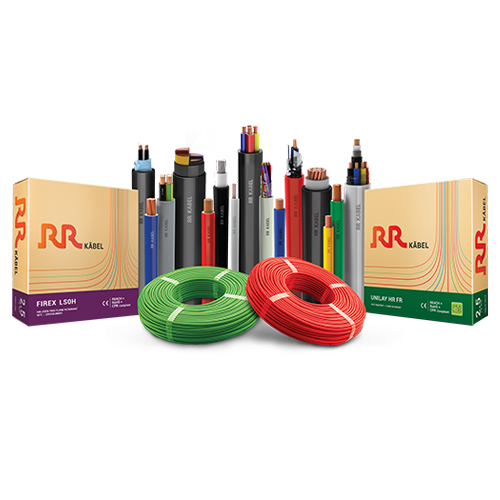
Industrial electrical systems depend on cables and wires that can perform reliably under demanding operating conditions. Manufacturing plants, automation systems, machinery, control panels, robotics, and production lines all require suitable electrical connections to operate efficiently. However, selecting the right cable is not simply about choosing a product based on size or price. Factors such as voltage, current, flexibility, environmental exposure, mechanical stress, and application requirements must be considered. LAPP cables and wires offer a wide range of solutions designed for different industrial applications, making proper product selection essential for achieving dependable performance.
Understand the Application First
The first step in selecting an industrial cable is understanding where and how it will be used. A cable installed inside a stationary control panel may have very different requirements from one continuously moving with an automated machine.
Consider whether the cable will be used for power transmission, control signals, data communication, instrumentation, automation, or specialized machinery. Understanding the application helps narrow down the appropriate cable category and technical specifications.
Consider Voltage and Current Requirements
Every electrical cable has specific electrical ratings. The selected cable must be suitable for the system voltage and expected current.
Cable conductor size is particularly important because insufficient capacity can result in excessive heating and potential insulation damage. Engineers should evaluate the expected load, installation conditions, permissible voltage drop, and applicable electrical standards before finalizing cable selection.
LAPP offers cables for different voltage and electrical applications, allowing industrial users to select products according to their system requirements.
Evaluate Flexibility and Movement
Industrial machinery frequently involves moving components. Robots, automated production systems, drag chains, and machine tools may require cables that can withstand repeated bending and movement.
For these applications, a cable designed for continuous flexing can be more appropriate than a standard stationary cable. When selecting LAPP cables, consider the required bending radius, movement pattern, bending cycles, travel distance, and installation arrangement.
Using a cable designed specifically for the required movement can help reduce premature wear and support longer service life.
Check Environmental Conditions
Industrial cables may operate in environments exposed to heat, cold, moisture, oil, chemicals, dust, vibration, or mechanical impact. These conditions can significantly influence cable selection.
Before choosing a cable, identify the environmental factors present at the installation location. LAPP provides different cable solutions designed for various industrial environments, so selecting a product with suitable insulation, sheath, and environmental resistance is important.
Select the Correct Conductor and Insulation
Cable construction affects electrical performance, flexibility, durability, and installation characteristics. Conductors may be selected based on electrical requirements and the application's mechanical demands, while insulation and sheath materials determine how the cable behaves under different operating conditions.
The correct combination should be selected according to the intended use rather than relying solely on general-purpose cable specifications.
Consider EMC Requirements
Industrial facilities often contain motors, drives, switching equipment, and other devices that can generate electromagnetic interference. In sensitive automation and control systems, electromagnetic compatibility can therefore be an important consideration.
Where required, shielded cables can help manage electromagnetic interference and support reliable signal transmission. The correct shielding method and grounding arrangement should be evaluated according to the system design.
Choose Cables According to Industry Requirements
Different industries have different cable requirements. Automotive manufacturing, factory automation, robotics, food processing, chemical production, energy infrastructure, and machine building may require specialized cable characteristics.
LAPP's broad product portfolio allows engineers and industrial users to select cables based on the specific application rather than using the same cable throughout an entire facility.
Think About Installation and Maintenance
Cable selection should also consider how the cable will be installed, connected, routed, and maintained. Cable dimensions, bending radius, connector compatibility, and termination requirements can affect installation efficiency.
A well-selected cable can simplify routing and reduce unnecessary stress on connections. Proper labeling and cable management can also make future maintenance and troubleshooting easier.
Consider Long-Term Reliability
The cheapest cable is not necessarily the most economical choice over its complete service life. Premature cable failure can result in machine downtime, replacement expenses, maintenance labor, and production losses.
Selecting a cable based on the actual operating environment and technical requirements can help improve reliability and reduce the likelihood of unexpected replacement. Evaluating the total cost of ownership can therefore be more useful than comparing purchase prices alone.
Work With Technical Experts
Industrial cable selection can involve multiple technical considerations. When requirements are complex, consulting experienced electrical engineers, cable specialists, or authorized suppliers can help ensure the selected product is appropriate.
Technical documentation should be reviewed carefully for electrical ratings, temperature limits, bending specifications, environmental resistance, applicable standards, and other product-specific requirements.
Conclusion
Selecting the right LAPP cables and wires is an important part of designing reliable industrial electrical infrastructure. The correct choice depends on several factors, including application type, voltage, current, flexibility, environmental conditions, mechanical stress, EMC requirements, installation method, and expected service life.
Rather than choosing cables solely on availability or cost, industrial businesses should evaluate the complete operating environment and select products that match their technical requirements. With proper selection, installation, and maintenance, LAPP cable solutions can support dependable power transmission, automation, control, and communication across demanding industrial applications.
Why Should You Choose Schneider Electrical Sockets for Your Dream Bungalow?
Why Should Industries Invest in High-Quality RR Kabel Wires and Cables?

 English
 Arabic
 French
 Spanish
 Portuguese
 Deutsch
 Turkish
 Dutch
Dutch
 Italiano
 Russian
 Romaian
 Greek
Greek
