


How Professional Turnkey Projects Simplify Commercial Space Development
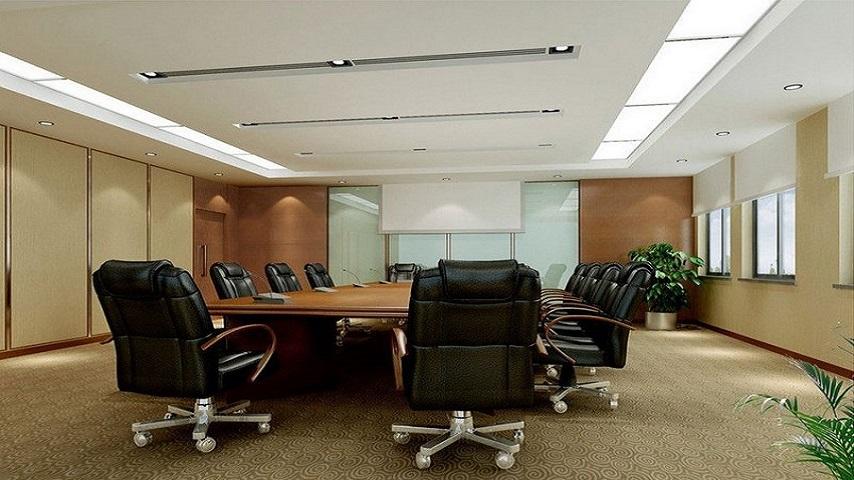
Developing a commercial space involves much more than constructing walls and selecting attractive interiors. From architectural planning and material procurement to electrical work, interiors, installations, and final handover, numerous activities need to happen in the right sequence.
For business owners, managing multiple contractors and coordinating different teams can quickly become complicated. This is where professional turnkey projects can make the development process considerably easier.
A turnkey approach brings multiple stages of a project under coordinated management, allowing the client to work with a single project partner instead of managing every individual component separately.
What Is a Turnkey Project?
A turnkey project is a complete project delivery approach in which a professional contractor or project management company takes responsibility for executing the agreed scope from the initial planning stage through completion.
Depending on the project, this can include:
- Space planning and design
- Architectural and interior work
- Civil construction
- Electrical installations
- Plumbing and HVAC
- Flooring and ceiling work
- Furniture and fixtures
- Lighting
- Branding and signage
- Material procurement
- Project coordination
- Testing and final handover
The exact scope depends on the requirements of the commercial development.
The key idea is simple: the client receives a completed and usable space without having to independently coordinate every specialist involved in the project.
1. One Point of Contact
One of the biggest advantages of a turnkey project is having a single organisation responsible for coordinating the work.
In a conventional approach, the client may have to communicate separately with architects, civil contractors, electricians, interior contractors, furniture suppliers, HVAC specialists, and other vendors.
With a turnkey solution, these activities can be coordinated through one project partner.
This reduces communication gaps and makes it easier for the client to track progress, discuss changes, and resolve project-related concerns.
2. Better Coordination Between Different Teams
Commercial development involves several interconnected activities.
For example, electrical points may need to be finalised before certain interior elements are installed. HVAC requirements may influence ceiling layouts, while lighting plans can affect electrical work.
When different contractors work independently, poor coordination can result in delays, rework, or conflicts between installations.
A professional turnkey team can coordinate these activities according to a planned sequence, helping different teams work together more efficiently.
3. Clearer Project Planning
A commercial project becomes easier to manage when responsibilities, timelines, materials, and deliverables are defined before execution begins.
Professional turnkey providers generally develop a project plan based on the approved design and scope of work.
This can include:
- Project milestones
- Work schedules
- Material requirements
- Labour planning
- Installation sequences
- Quality checkpoints
- Handover requirements
Having a structured plan helps everyone understand what needs to happen and when.
4. More Efficient Material Procurement
Commercial projects require a wide range of materials and products. Managing every purchase independently can consume considerable time.
Turnkey contractors can coordinate procurement according to project requirements, specifications, and installation schedules.
Centralised procurement may also help reduce the risk of ordering incorrect materials, missing deliveries, or having products arrive long before they are needed.
More importantly, professional project teams can coordinate material availability with the construction schedule.
5. Better Control Over Project Timelines
Delays in one part of a commercial project can affect several other activities.
For example, if flooring work is delayed, furniture installation may also need to be postponed. If electrical work is incomplete, certain interior installations may not be able to proceed.
Because turnkey projects involve coordinated execution, the project team can monitor dependencies between different activities and address potential delays more quickly.
This does not mean every turnkey project will finish without delays. However, centralised coordination can make schedule management more systematic.
6. Consistent Quality Across the Project
When several independent contractors are involved, maintaining consistent workmanship can be challenging.
Different teams may follow different working methods, specifications, or quality standards.
A professional turnkey provider can establish project-wide specifications and quality checkpoints. This creates greater consistency across civil work, interiors, electrical installations, finishes, and other components.
Quality control should be considered throughout the project rather than only during final inspection.
7. Easier Budget Management
Commercial development involves numerous expenses, including labour, materials, equipment, transportation, installation, and specialist services.
A turnkey model can make budgeting easier because the client can work from an agreed project scope and commercial structure.
It also becomes easier to identify changes that could affect the overall cost.
However, clients should always review the scope carefully and understand what is included, what is excluded, and how additional work will be priced.
Transparent documentation is essential for avoiding misunderstandings.
8. Reduced Coordination Burden for Business Owners
Business owners and management teams already have their own responsibilities. Spending hours coordinating contractors, following up on material deliveries, or resolving site-level issues can take attention away from core business activities.
With a turnkey project, much of this coordination is handled by the appointed project team.
The client can focus more on important decisions and approvals while the project professionals manage day-to-day execution.
9. A More Unified Design and Execution Process
A common challenge in commercial development is the gap between design and actual execution.
A design may look excellent on paper, but practical construction conditions can require adjustments.
When design, procurement, and execution are coordinated under one project framework, potential implementation challenges can be identified earlier.
This can help create better alignment between the intended design and the completed space.
10. Simplified Final Handover
The final stage of a commercial project involves more than simply completing construction.
Furniture, electrical systems, lighting, HVAC, fixtures, finishes, signage, and other elements may all need to be checked before the space is ready for occupation.
A professional turnkey provider can coordinate final inspections, rectification work, documentation, and handover activities.
The objective is to provide the client with a completed space that is ready for its intended use.
Where Can Turnkey Projects Be Used?
Turnkey solutions can be suitable for a wide range of commercial developments, including:
- Corporate offices
- Retail stores
- Restaurants and cafés
- Showrooms
- Hotels and hospitality spaces
- Healthcare facilities
- Educational facilities
- Industrial offices
- Commercial buildings
- Co-working spaces
The scope and complexity naturally vary depending on the type and size of the project.
How to Choose the Right Turnkey Project Partner
Choosing the right project partner is an important decision. Before appointing a turnkey contractor, businesses should evaluate:
Experience
Look for experience with projects similar to yours in terms of size, complexity, and commercial requirements.
Portfolio
Review completed projects to understand the company's approach to design, execution, finishing, and quality.
Project Scope
Ensure the proposal clearly explains which services are included and which are outside the agreed scope.
Communication
Good communication is essential throughout the project. The contractor should provide clear updates and maintain proper documentation.
Quality Standards
Ask about materials, workmanship, inspection procedures, and quality-control processes.
Timeline
Understand the proposed schedule, major milestones, dependencies, and handover process.
Post-Completion Support
It is useful to know how the contractor handles defects, maintenance concerns, or adjustments after handover.
Turnkey Projects Are About More Than Convenience
The real value of a professional turnkey project is not simply having one contractor's phone number.
It is the coordination of multiple disciplines under a structured project-management approach.
When planning, procurement, construction, interiors, installations, and finishing are properly connected, the development process can become easier to monitor and manage.
For businesses working under tight schedules, a well-executed turnkey solution can also reduce the amount of time management teams need to spend coordinating individual vendors.
Final Thoughts
Commercial space development can become complex when multiple contractors, suppliers, designers, and specialists are working independently.
Professional turnkey projects offer a more coordinated alternative by bringing key stages of development under one management framework.
From initial planning and material procurement to construction, interior execution, quality checks, and final handover, a professional turnkey partner can help create a smoother and more organised development journey.
Ultimately, the success of a turnkey project depends on the right combination of planning, communication, technical expertise, quality control, transparent scope, and experienced execution.
When these elements come together, businesses can move from an empty commercial space to a functional, professional environment with significantly less coordination complexity.
What Should Businesses Consider Before Choosing a Turnkey Project for Commercial Spaces?
How Modern Architects Balance Aesthetics and Functionality in Workspace Design

 English
 Arabic
 French
 Spanish
 Portuguese
 Deutsch
 Turkish
 Dutch
Dutch
 Italiano
 Russian
 Romaian
 Portuguese (Brazil)