


What Are the Benefits of Choosing Non-Surgical Hair Treatment First?
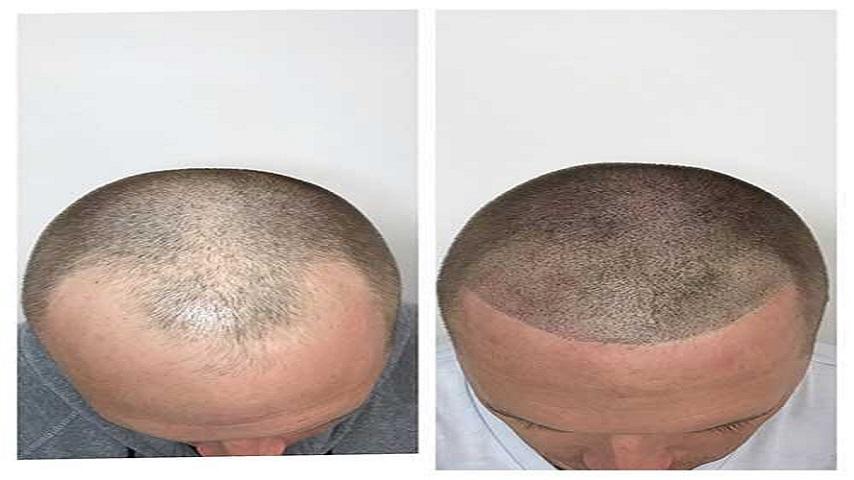
Hair loss can be unsettling, especially when you begin noticing a receding hairline, widening part, thinning crown, or reduced overall hair density. When these changes appear, many people immediately start thinking about hair transplant surgery. However, surgery is not necessarily the first step for everyone.
For people in the early stages of hair loss, starting with non-surgical hair treatment may offer several important benefits. It can help identify the underlying cause, preserve existing hair, and potentially slow further hair loss without immediately undergoing a surgical procedure.
The right approach depends on the type and severity of hair loss, so professional evaluation should always come first.
What Is Non-Surgical Hair Treatment?
Non-surgical hair treatment refers to approaches that aim to manage hair loss without surgically moving hair follicles from one area of the scalp to another.
Depending on the cause, treatment may include topical or oral medications, scalp-focused therapies, nutritional correction when a deficiency is confirmed, low-level light therapy, or other clinically appropriate approaches.
For example, minoxidil is one commonly used treatment for certain types of hair loss. According to the American Academy of Dermatology, it can help stimulate hair growth and prevent further hair loss in some people, although results take time and continued use is generally needed to maintain benefits.
1. It May Help Preserve Existing Hair
One of the biggest advantages of addressing hair loss early is the opportunity to protect the hair you still have.
Some forms of hair loss gradually cause susceptible follicles to become smaller and produce increasingly finer hairs. Starting appropriate treatment early may help slow this process.
The American Academy of Dermatology notes that hair-loss treatment tends to be more effective when started early.
Instead of waiting until significant thinning occurs, early treatment focuses on maintaining existing density for as long as possible.
2. It Avoids Surgical Procedures
A hair transplant is a surgical procedure. It involves removing hair follicles from one part of the scalp and placing them into areas affected by thinning or baldness.
Although modern hair transplantation can provide natural-looking results, it still involves a procedure, recovery period, and potential risks. Patients may experience temporary swelling, discomfort, scabbing, or scarring, and complications such as infection or poor graft survival are possible.
Choosing a non-surgical approach first can therefore be appealing to people who are not ready for surgery or who may not currently need it.
3. It Can Help Identify the Real Cause
Not every case of hair loss is caused by genetics.
Hair shedding can also occur because of stress, illness, weight loss, iron deficiency, hormonal changes, medications, or other medical conditions.
This makes diagnosis particularly important.
If someone assumes that every case of thinning requires a transplant, they may overlook an underlying condition that could potentially be addressed through medical treatment.
A professional evaluation can help determine whether the hair loss is temporary, progressive, hereditary, or related to another factor.
4. It May Delay or Reduce the Need for Surgery
If non-surgical treatment successfully stabilises early hair loss, a person may be able to postpone a transplant.
This can be particularly useful for people whose hair loss pattern is still developing. A transplant does not necessarily stop natural hair from thinning elsewhere on the scalp. The NHS notes that hair can continue to thin around transplanted areas, which is something surgeons should consider when planning treatment.
Preserving natural hair before considering surgery may therefore provide more flexibility for future treatment decisions.
5. There May Be Less Downtime
Depending on the treatment selected, non-surgical approaches may involve little or no recovery time.
A person may be able to continue their normal work and social activities without taking time away for a surgical procedure.
However, this varies significantly between treatments. Some therapies require repeated clinic visits or consistent daily use, so it is important to understand the commitment involved before starting.
6. Treatment Can Be Tailored to the Individual
Hair loss has many different causes, and there is no single treatment that works for everyone.
A specialist may consider factors such as age, family history, pattern of thinning, scalp condition, duration of hair loss, medications, nutrition, and overall health before recommending a treatment plan.
For some people, medication may be appropriate. Others may benefit from correcting an identified nutritional deficiency or addressing an underlying scalp or medical condition.
The goal should be to treat the cause, rather than simply treating the appearance of thinning hair.
Does Non-Surgical Treatment Always Work?
No treatment can guarantee complete hair regrowth.
Results depend on the underlying cause, how advanced the hair loss is, the individual's response to treatment, and consistency with the recommended plan. Some treatments may take several months before noticeable changes occur. For example, the AAD states that people using minoxidil may need around six to 12 months to determine how well it is working.
It is also important to avoid taking hair-growth supplements without professional guidance. Excessive amounts of certain nutrients can actually contribute to hair loss.
When Might a Hair Transplant Be Considered?
A transplant can be an appropriate option for people with suitable, established hair loss and adequate donor hair.
However, it is not necessarily appropriate for every type of hair loss. For example, the NHS notes that hair transplantation is generally intended for permanent baldness such as hereditary hair loss and is not usually suitable for conditions that cause patchy hair loss, such as alopecia areata.
This is why professional assessment should come before making a surgical decision.
Final Thoughts
Choosing non-surgical hair treatment first can be a practical approach for many people experiencing early hair loss. It may help preserve existing hair, identify underlying causes, avoid surgery, and potentially delay the need for a transplant.
However, the best treatment depends on the individual. Non-surgical treatment is not automatically better than surgery, and surgery is not automatically the best solution.
When Is the Right Time to Start Low Level Laser Hair Therapy for Hair Loss?
Best PRP Treatment Benefits for Strong Hair and Healthy Scalp
 Turkish
 English
 Arabic
 French
 Spanish
 Portuguese
 Deutsch
 Dutch
Dutch
 Italiano
 Russian
 Romaian
 Portuguese (Brazil)
 Greek
Greek
