


Handheld Laser Rust Remover: A Practical Guide to Modern Metal Surface Cleaning
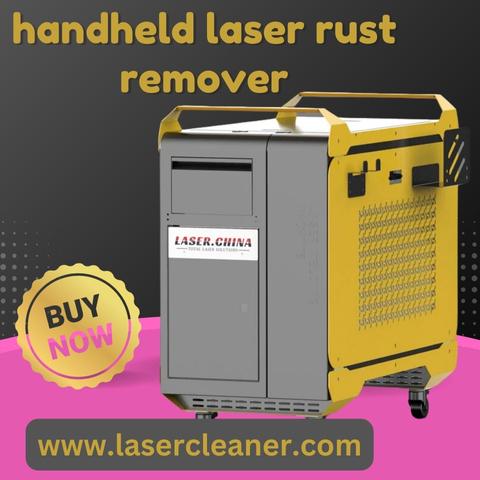
Rust can quickly change the appearance and condition of metal surfaces. From industrial equipment and automotive components to tools, steel structures, molds, and fabrication parts, oxidation often develops when metal is exposed to moisture and oxygen. Traditional cleaning methods can require considerable manual effort, abrasive materials, or chemical products.
A handheld laser rust remover provides a modern approach by directing concentrated laser energy onto an oxidized surface. The laser interacts with the unwanted rust layer while the operator moves the handheld cleaning head across the workpiece. This makes laser cleaning suitable for many applications where controlled surface treatment is important.
As industries look for cleaner and more precise maintenance processes, handheld laser systems are becoming increasingly relevant for workshops, manufacturing facilities, restoration projects, and metal-processing businesses.
How a Handheld Laser Rust Remover Works
Laser rust removal is based on the interaction between laser energy and the surface contaminant. Rust absorbs the laser energy differently from the underlying metal. When the laser parameters are properly selected, the rust layer can be rapidly heated and removed from the surface.
The operator guides the handheld laser head over the affected area. Depending on the material, rust thickness, and equipment settings, the process can loosen, vaporize, or eject the oxidation from the workpiece.
The cleaning process requires appropriate control of parameters such as laser power, scanning speed, frequency, and focal distance. These settings help determine how much energy reaches the surface and allow operators to adapt the process to different materials and contamination levels.
Because the laser is concentrated in a controlled area, operators can work on specific sections instead of treating the entire component unnecessarily.
Preparing Metal Before Laser Cleaning
Proper preparation is an important part of any rust-removal process. Before using a handheld laser rust remover, the operator should inspect the workpiece carefully.
Loose debris, oil, grease, dust, and other contaminants may need to be removed first. The condition of the base metal should also be checked to determine whether corrosion has caused pits, cracks, or structural damage.
Different metals respond differently to laser energy. Steel, stainless steel, cast iron, and other materials may require different operating parameters. Testing a small, less visible section can help establish suitable settings before cleaning the complete component.
The work area should also be organized to provide a stable position for the operator and the workpiece. Appropriate laser safety procedures and protective equipment must be followed throughout the operation.
Applications Across Metalworking Industries
A handheld laser rust remover can be used across a broad range of industrial and maintenance applications. Manufacturing workshops can use laser cleaning to prepare metal surfaces before welding, coating, painting, or other processing operations.
Automotive workshops may use laser cleaning for metal components, restoration work, machinery parts, and selected areas affected by corrosion. In fabrication environments, laser cleaning can help prepare surfaces where contamination or oxidation needs to be removed before subsequent production steps.
Industrial maintenance is another important area. Machinery, tools, fixtures, metal frames, and other equipment can accumulate rust during storage or operation. Laser cleaning provides a controlled method for treating affected areas without relying entirely on conventional abrasive processes.
Restoration specialists can also consider laser technology when working with valuable metal objects or components where surface control is particularly important.
Cleaning Before Welding and Fabrication
Surface preparation has an important role in welding and fabrication. Rust, oxide layers, paint residues, and other contaminants can interfere with the cleanliness of the welding area.
A handheld laser rust remover can be used to clean selected areas before fabrication work begins. By moving the laser head across the required section, operators can prepare the surface for the next manufacturing stage.
For welding shops, this can be useful when working with metal parts that have been stored for extended periods or exposed to environmental conditions. The exact cleaning parameters should always be selected according to the material and the intended application.
Removing Rust From Machinery and Tools
Industrial machinery can develop oxidation during transportation, storage, or long periods of inactivity. Large equipment may also contain difficult-to-reach areas where conventional cleaning methods require significant manual work.
A handheld laser system gives operators a mobile cleaning option. The cleaning head can be positioned over specific areas of a machine, allowing treatment to be performed according to the condition of each section.
Tools, molds, fixtures, brackets, gears, and metal components can also require periodic surface maintenance. Laser cleaning can form part of a scheduled maintenance process where corrosion and surface contamination need to be addressed before they become more difficult to manage.
Choosing Suitable Laser Power
Laser power is one of the important factors when selecting equipment. Different rust conditions and applications can require different power levels.
Light surface oxidation may require a different setup from thick corrosion on heavily affected steel components. Higher-power systems may be considered for demanding industrial cleaning applications, while lower-power equipment can be appropriate for lighter cleaning requirements.
Instead of selecting equipment based only on the highest available power, businesses should consider the materials they regularly process, the thickness of contamination, the size of their workpieces, and their expected cleaning workload.
Consulting the equipment supplier about application-specific parameters can help ensure that the selected system matches the intended work.
Operating a Handheld Laser Rust Remover
Correct operation is essential for achieving consistent results. Operators should become familiar with the equipment controls, cleaning head, focusing method, scanning system, and safety procedures before beginning production work.
The laser head should generally be moved in a controlled pattern across the surface. Maintaining an appropriate working distance and scanning speed helps produce more consistent cleaning.
Operators should avoid making assumptions about settings when switching between materials. A parameter suitable for one steel component may not be appropriate for another material or surface condition.
Regular inspection during cleaning also helps determine whether additional passes are necessary.
Laser Safety and Workplace Preparation
Laser cleaning equipment must be operated with appropriate safety precautions. The laser radiation produced by industrial cleaning systems can present serious eye and skin hazards if used incorrectly.
A suitable controlled work area should be established according to the equipment manufacturer's safety requirements. Operators should use the specified protective equipment and follow applicable laser-safety procedures.
Reflections are another important consideration when cleaning metal surfaces. Shiny materials can reflect laser energy, so the work environment should be arranged to minimize exposure risks.
Training, proper signage, controlled access, ventilation where required, and manufacturer instructions should all be considered before introducing laser cleaning equipment into a workshop.
Maintaining Consistent Cleaning Results
Consistent results depend on more than laser power alone. Operators should pay attention to scanning speed, focus, frequency, beam pattern, and the condition of the workpiece.
The same component may also contain areas with different levels of corrosion. Some sections may require additional passes, while lightly affected sections may need less treatment.
Keeping records of successful settings for commonly processed materials can help workshops establish repeatable procedures. Equipment should also be maintained according to the manufacturer's recommendations to support reliable operation.
Selecting Equipment for Professional Use
When purchasing a handheld laser rust remover, businesses should consider their actual cleaning requirements rather than focusing on a single specification.
Important considerations include the type of metals being cleaned, typical rust thickness, daily workload, portability requirements, available power supply, cleaning-head design, control system, safety equipment, warranty coverage, technical support, and availability of spare parts.
Supplier support can be particularly valuable when a business is introducing laser cleaning for the first time. Application testing and parameter guidance can help operators understand how the equipment behaves on their specific materials.
The Growing Role of Laser Surface Cleaning
As manufacturing and maintenance operations continue to modernize, surface-cleaning technology is becoming an increasingly important part of industrial workflows. Laser cleaning provides a technology-driven approach for removing rust and other surface contaminants while allowing operators to work with controlled energy.
For businesses handling metal components regularly, investing in appropriate cleaning equipment can become part of a broader surface-preparation strategy. The right system depends on the application, material, production volume, and required cleaning standard.
Final Thoughts
A handheld laser rust remover offers a modern way to approach corrosion and surface-cleaning work across workshops, manufacturing facilities, maintenance departments, automotive operations, and fabrication environments. Its effectiveness depends on selecting suitable equipment, using correct operating parameters, preparing the work area properly, and following strict laser-safety procedures

 Arabic
 French
 Spanish
 Portuguese
 Deutsch
 Turkish
 Dutch
Dutch
 Italiano
 Russian
 Romaian
 Portuguese (Brazil)
 Greek
Greek
