


Laser Rust Cleaner: A Modern Approach to Removing Rust from Metal Surfaces
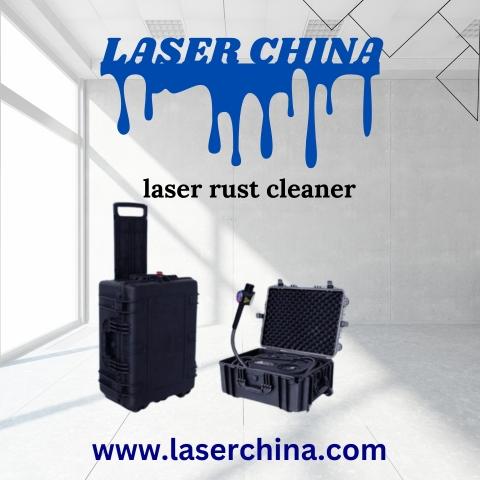
Rust can quickly change the appearance and condition of metal surfaces. From industrial machinery and automotive components to tools, molds, pipes, and fabricated parts, oxidation can develop when metal is exposed to moisture, oxygen, chemicals, and harsh environments. Traditional rust removal often involves abrasive blasting, grinding, wire brushing, or chemical treatments. Today, a laser rust cleaner offers a modern approach that uses concentrated laser energy to remove rust and surface contamination from metal.
Understanding Rust Formation on Metal
Rust is primarily associated with the oxidation of iron and steel. When these materials remain exposed to moisture and oxygen, chemical reactions gradually create iron oxides on the surface. Depending on environmental conditions, rust may appear as a thin discoloration or develop into a thicker, rough layer.
Industrial equipment can be particularly vulnerable because machinery may operate in humid workshops, outdoor environments, chemical-processing areas, or locations where water and contaminants are regularly present. If rust is not addressed, it can interfere with manufacturing processes, reduce surface quality, and affect the appearance of finished components.
For this reason, manufacturers and maintenance teams regularly look for reliable ways to prepare metal surfaces before repair, coating, welding, painting, or further processing.
What Is a Laser Rust Cleaner?
A laser rust cleaner is a specialized cleaning machine designed to remove unwanted layers from a material surface using focused laser energy. Instead of relying on physical contact with the workpiece, the system directs a controlled laser beam toward the contaminated area.
When the laser interacts with rust, the energy causes the unwanted layer to heat rapidly and separate from the underlying surface. The process can be adjusted according to the type and thickness of contamination, allowing operators to work on different metal components.
Modern laser cleaning systems are available in different configurations and power levels. Portable and handheld designs are particularly useful for maintenance applications because operators can move the cleaning head across large or irregular surfaces.
How Laser Rust Cleaning Works
The laser cleaning process begins by directing the laser beam onto the rusted surface. The energy is absorbed differently by the rust layer and the underlying metal. With appropriate settings, the rust absorbs enough energy to break away from the surface while the base material remains largely unaffected.
As the laser moves across the workpiece, it progressively removes the unwanted oxidation. Operators can control parameters such as laser power, scanning speed, frequency, and scanning width depending on the application.
The cleaning pattern can also be adjusted for different workpieces. A small component may require concentrated cleaning, while larger industrial surfaces can be processed using broader scanning movements.
Proper parameter selection is important. Excessive energy or an unsuitable cleaning speed can affect the surface, while insufficient energy may leave rust behind. Professional laser cleaning equipment therefore provides adjustable operating parameters for different materials and conditions.
Applications Across Metalworking Industries
A laser rust cleaner can be used across many industries where metal surface preparation is required. Manufacturing facilities may use laser cleaning for machinery components, metal frames, tools, molds, and fabricated parts.
Automotive workshops can apply laser cleaning to metal components, engine parts, brake components, restoration projects, and other surfaces where controlled rust removal is required.
In the maintenance sector, laser cleaning can support the restoration of industrial equipment that has accumulated oxidation during long-term operation or storage. It can also be used for cleaning weld areas before additional processing.
Metal fabrication companies may use laser cleaning before welding, painting, or coating. Removing oxidation and other surface contaminants helps prepare the metal for subsequent manufacturing operations.
The technology can also be useful for restoration work. Older machinery, metal structures, tools, and historical industrial components may require careful surface treatment where aggressive mechanical methods could unnecessarily alter the original surface.
Preparing a Surface Before Laser Cleaning
Before using a laser rust cleaner, the operator should inspect the workpiece and identify the type of contamination. Rust can vary significantly in thickness and condition, so the appropriate laser settings may differ from one component to another.
The surface should be inspected for oil, grease, paint, heavy deposits, or other materials that may influence the cleaning process. If multiple contaminants are present, the cleaning procedure should be planned accordingly.
Testing on a small, less visible area is also a useful step when working with unfamiliar materials or sensitive components. This allows the operator to determine suitable parameters before processing the complete surface.
Laser Rust Cleaning for Manufacturing
In manufacturing environments, surface preparation can be an important part of maintaining consistent production quality. Rust and oxidation can develop on stored components, tooling, machinery, and fabricated metal parts.
Using laser cleaning as part of a maintenance process allows operators to target specific areas without physically contacting the workpiece with abrasive tools. This makes the process suitable for applications where controlled cleaning is required.
For businesses handling a wide variety of metal components, adjustable laser parameters can help accommodate different surface conditions and workpiece sizes.
Handheld Laser Rust Cleaner Systems
Handheld systems are increasingly used where flexibility is important. Instead of moving a heavy workpiece to a fixed cleaning station, an operator can bring the cleaning head directly to the component.
This can be useful for large machinery, metal structures, production equipment, pipes, molds, and other objects that are difficult to transport.
A handheld laser rust cleaner can also make it easier to access corners, edges, joints, and localized rust spots. The operator can guide the laser head across the affected area while adjusting the cleaning pattern according to the surface.
Choosing the Appropriate Laser Cleaning Equipment
Selecting equipment should begin with the intended application. Businesses should consider the materials they commonly process, the thickness of rust, the size of their workpieces, and the frequency of cleaning.
Laser power is another important consideration. Different applications may require different power levels and operating parameters. A system designed for light surface contamination may not be suitable for heavy industrial rust.
The machine's scanning system, control interface, cooling method, laser source, cleaning head, and overall construction should also be evaluated before purchase.
For companies planning regular industrial use, it is helpful to discuss actual workpiece samples with a laser equipment supplier. Testing can provide a better understanding of the required settings and expected processing approach.
Workplace Safety During Laser Cleaning
Laser cleaning should always be performed according to the equipment manufacturer's safety instructions. Industrial laser systems can produce powerful beams that require appropriate protective measures.
Operators should use the recommended laser safety equipment, establish a suitable working area, and prevent unauthorized personnel from entering the laser operating zone. Proper ventilation and fume extraction should also be considered because contaminants removed from a surface can generate airborne particles or fumes.
Training is equally important. Operators should understand the machine controls, material compatibility, emergency procedures, and safe operating practices before using the equipment.
Maintenance and Long-Term Use
Regular maintenance helps keep laser cleaning equipment operating consistently. Operators should follow the manufacturer's maintenance schedule and inspect components such as protective lenses, cables, cooling systems, and cleaning heads.
The work environment should also be kept clean and suitable for precision equipment. Regular inspection can help identify potential issues before they interfere with production.
Keeping records of commonly used parameters for different materials can further improve workflow consistency. Once suitable settings have been established for specific applications, operators can use them as a reference for future cleaning jobs.
Growing Role of Laser Cleaning Technology
As manufacturers continue to look for precise and controlled surface preparation methods, laser cleaning technology is becoming increasingly relevant to modern metalworking. Its applications extend beyond simple rust removal and can include paint removal, oxide cleaning, coating preparation, mold cleaning, and contamination removal.
The technology can be integrated into maintenance operations, fabrication workshops, restoration projects, and industrial production environments. With appropriate equipment selection and operator training, laser cleaning can become an important part of a modern surface-treatment workflow.
Final Thoughts
A laser rust cleaner provides a modern method for dealing with rust and oxidation on metal surfaces. By using controlled laser energy, the technology allows operators to target unwanted surface layers without relying on direct abrasive contact.

 English
 Arabic
 French
 Spanish
 Portuguese
 Deutsch
 Turkish
 Dutch
Dutch
 Italiano
 Romaian
 Portuguese (Brazil)
 Greek
Greek
