


How Waterproofing Specialists Handle Concrete Water Leakage
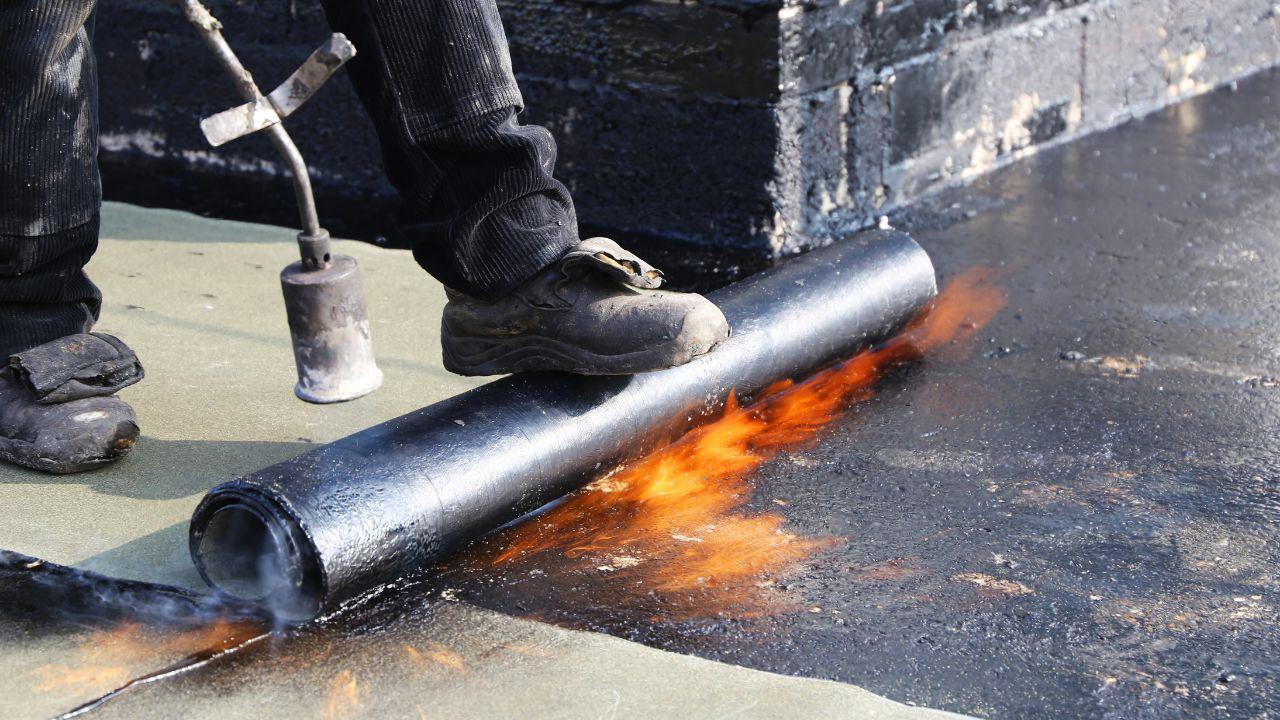
Concrete is strong and durable, but it is not completely waterproof. Cracks, joints, poor drainage, and ageing can allow water to penetrate buildings. A waterproofing specialist in Singapore identifies the source of leakage, assesses the concrete condition, and applies the right repair method to prevent recurring water damage.
Why Concrete Water Leakage Happens
Concrete may look solid and impermeable, but it contains tiny pores and can develop weaknesses over time. Singapore's hot, humid climate, heavy rainfall, and frequent exposure to moisture can make concrete structures particularly vulnerable to water penetration.
Common causes include:
-
Concrete cracks: Shrinkage, structural movement, and ageing can create pathways for water.
-
Construction joints: Poorly sealed joints can become weak points where moisture enters.
-
Water pressure: Underground structures and basement walls may experience hydrostatic pressure.
-
Poor drainage: Blocked or inadequate drainage can cause water to remain against concrete surfaces.
-
Damaged waterproofing membranes: Older waterproofing systems can deteriorate and lose effectiveness.
-
Porous concrete: Improper concrete mixing, curing, or installation can increase water absorption.
-
Pipe penetrations: Areas around pipes and service openings can develop gaps that allow leakage.
Finding the actual cause is important because simply covering a visible water stain rarely solves the underlying problem.
How Specialists Inspect Concrete Leakage
Before beginning repairs, professionals usually carry out a detailed inspection. A waterproofing specialist in Singapore will look beyond the visible signs of moisture to determine how and where water is entering the structure.
Visual Inspection
The first step is generally a visual assessment. Specialists examine walls, ceilings, floors, expansion joints, construction joints, pipe penetrations, and other vulnerable areas.
They may look for:
-
Damp patches
-
Water stains
-
Cracks
-
Peeling coatings
-
Efflorescence
-
Mould or mildew growth
-
Surface deterioration
-
Signs of previous repair work
The location and pattern of the moisture can provide useful clues about its source.
Crack and Joint Assessment
Not every crack requires the same treatment. The width, depth, location, and movement of a crack can influence the repair method.
For example, a small non-moving surface crack may require a different treatment from a deeper crack that continues to allow water through. Construction and expansion joints also require specialised attention because these areas can experience movement.
Moisture and Water-Entry Assessment
Professionals may use appropriate inspection equipment to identify damp areas and determine whether water is actively entering the concrete. Depending on the situation, they may also inspect the surrounding drainage system or adjacent surfaces.
This assessment helps establish whether the problem is caused by surface water, groundwater, plumbing, rainwater, or another source.
Choosing the Right Waterproofing Method
Once the source has been identified, specialists select a repair system based on the condition of the concrete and the location of the leakage.
There is no single waterproofing method that works for every concrete leakage problem. The correct solution depends on factors such as water pressure, crack movement, accessibility, concrete condition, and whether the area is above or below ground.
Common Methods Used for Concrete Water Leakage
PU Injection Grouting
Polyurethane, commonly called PU, injection is widely used for repairing active water leaks through concrete cracks and joints.
The material is injected into carefully prepared points along the leakage path. When the polyurethane comes into contact with moisture, certain formulations expand and form a sealing material inside the crack or void.
This approach can be useful for:
-
Concrete cracks
-
Construction joints
-
Basement leakage
-
Underground structures
-
Areas with active water seepage
The exact material and injection process should be selected according to the leakage conditions.
Epoxy Injection
Epoxy injection may be used when the objective involves repairing and bonding certain concrete cracks rather than simply stopping water.
Epoxy systems are generally selected based on crack characteristics and structural requirements. They are not automatically suitable for every leaking crack, particularly where significant movement or ongoing water pressure is involved.
A professional assessment helps determine whether epoxy is appropriate.
Cementitious Waterproofing
Cement-based waterproofing systems can be applied to suitable concrete surfaces to reduce water penetration. These coatings are commonly considered for walls, floors, tanks, and other concrete structures.
They can provide an effective barrier when the substrate is properly prepared and the selected system is suitable for the site's conditions.
Waterproof Membranes
Membrane systems can be used to create a protective waterproofing layer over concrete. Depending on the application, different membrane technologies may be selected for roofs, balconies, wet areas, basements, and other exposed surfaces.
However, membrane waterproofing requires proper surface preparation, detailing, and application. Poor installation can create weak points that eventually allow water to penetrate.
Surface Preparation Is a Critical Step
One of the most important parts of concrete waterproofing happens before the waterproofing material is applied.
The surface may need to be:
-
Cleaned thoroughly
-
Cleared of loose or damaged concrete
-
Prepared around cracks and joints
-
Treated for unsuitable surface conditions
-
Dried or conditioned according to the product requirements
-
Checked for proper adhesion conditions
Applying a waterproofing product over dust, oil, loose concrete, or an unsuitable substrate can compromise the repair.
This is why professional waterproofing is more than simply applying a coating to a wet wall.
How Professionals Deal With Active Water Leakage
Active leakage presents an additional challenge because water may continue entering the concrete while repair work is taking place.
A waterproofing specialist in Singapore may use injection-based systems or other appropriate techniques designed to control water movement before completing additional waterproofing work.
The repair sequence depends on the location and severity of the leakage. In some cases, the immediate priority is to stop or significantly reduce water flow. Once the area is stabilised, further repairs can address the concrete surface and waterproofing protection.
Treating the Root Cause Instead of the Symptom
One common mistake is to repair only the visible water stain.
For example, if water appears on an interior basement wall, the actual entry point may be a crack on the exterior side or a defective construction joint. Painting the interior surface may temporarily improve its appearance, but it does not necessarily eliminate the water pathway.
Professionals therefore consider:
-
Where the water originates
-
How it travels through the concrete
-
Whether hydrostatic pressure is involved
-
Whether cracks are moving
-
Whether drainage is adequate
-
Whether existing waterproofing has failed
-
Whether surrounding joints or penetrations require repair
This root-cause approach can help reduce the risk of repeated leakage.
Preventing Recurring Concrete Leakage
Stopping an existing leak is only part of the job. Long-term waterproofing also involves reducing the chance of future water penetration.
Improve Drainage
Water should be directed away from vulnerable concrete surfaces wherever possible. Blocked drains, poor surface gradients, and inadequate drainage can increase water exposure.
Seal Vulnerable Joints
Construction joints, expansion joints, and pipe penetrations should receive suitable detailing and sealing systems.
Repair Concrete Defects Early
Small cracks and damaged areas can become more problematic when water repeatedly enters them. Early inspection and appropriate repair can help prevent minor defects from becoming larger waterproofing concerns.
Maintain Existing Waterproofing
Even a professionally installed waterproofing system requires appropriate maintenance. Regular inspections can identify deterioration, damaged sealants, blocked drainage, and other potential problems before they become serious.
Waterproofing for Singapore's Building Conditions
Singapore buildings face distinctive environmental conditions. Heavy rainfall can expose roofs, balconies, external walls, and drainage systems to significant amounts of water. High humidity can also contribute to persistent dampness in poorly ventilated or inadequately protected areas.
For this reason, waterproofing solutions should be selected with the local building environment and specific site conditions in mind.
A professional company such as Allseal Waterproofing PTE Ltd can assess the affected area and determine an appropriate approach based on the type of concrete leakage, location, and condition of the substrate.
Why Professional Concrete Waterproofing Matters
DIY waterproofing products may appear convenient for minor surface problems, but concrete leakage can have a more complicated cause.
A professional waterproofing contractor can help with:
-
Leakage source identification
-
Concrete crack assessment
-
Joint inspection
-
Surface preparation
-
Selection of appropriate waterproofing materials
-
Injection grouting where suitable
-
Membrane or coating application
-
Preventive waterproofing recommendations
The goal is not simply to make a damp patch disappear. It is to address the pathway through which water is entering the structure.
When Should You Contact a Waterproofing Professional?
You should consider getting professional advice if you notice:
-
Repeated water stains
-
Active water seepage
-
Cracks that become damp after rain
-
Efflorescence on concrete walls
-
Persistent basement dampness
-
Peeling waterproofing coatings
-
Water entering around joints or pipe penetrations
-
Recurring leakage after previous repairs
Repeated leakage is particularly important to investigate, because a temporary surface repair may not address the underlying source.
What to Expect From a Professional Waterproofing Process
Although the exact process varies from project to project, a typical concrete leakage repair may follow several stages.
1. Site Inspection
The affected concrete and surrounding areas are inspected to understand the leakage pattern.
2. Diagnosis
The likely source and pathway of water are identified. Specialists also evaluate cracks, joints, drainage, and existing waterproofing.
3. Repair Planning
The appropriate repair materials and techniques are selected according to the site conditions.
4. Surface Preparation
Damaged, contaminated, or unsuitable materials are removed or prepared before waterproofing begins.
5. Leakage Treatment
Depending on the problem, this may involve PU injection, crack repair, joint treatment, cementitious waterproofing, membrane installation, or another suitable system.
6. Final Inspection
The completed work is checked to ensure the repaired area has been properly treated and that the waterproofing system has been installed according to the selected method.
Choosing a Waterproofing Contractor
When comparing waterproofing companies, look beyond the price of the repair. A reliable contractor should be able to explain what is causing the leakage, why a particular method is being recommended, and how the proposed repair addresses the problem.
You may also want to consider:
-
Relevant waterproofing experience
-
Knowledge of concrete repair
-
Quality of materials used
-
Inspection and diagnosis process
-
Workmanship
-
Clear quotation and scope of work
-
Maintenance or follow-up recommendations
Allseal Waterproofing PTE Ltd focuses on waterproofing solutions designed to address different types of building water leakage. Discussing the problem with an experienced contractor can help property owners understand which repair approach is suitable for their concrete structure.
Conclusion
Concrete water leakage should be treated at its source rather than covered temporarily. A professional waterproofing specialist in Singapore can identify the leakage pathway, repair vulnerable areas, and apply a suitable waterproofing system. Proper diagnosis and workmanship are key to achieving durable protection.

 English
 Arabic
 French
 Portuguese
 Deutsch
 Turkish
 Dutch
Dutch
 Italiano
 Russian
 Romaian
 Portuguese (Brazil)
 Greek
Greek
