


Swimming Pool Maintenance Checklist for Singapore Property Owners
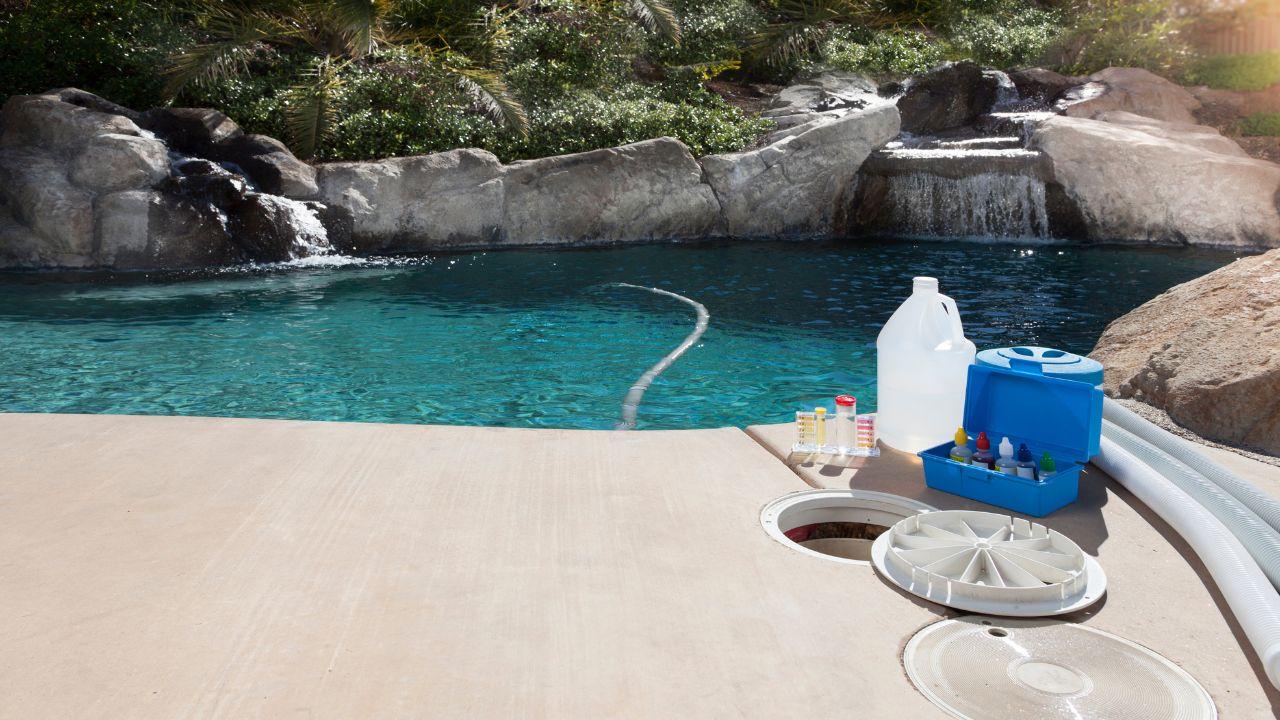
A Swimming Pool Maintenance Contractor in Singapore can help property owners keep their pools clean, safe, and comfortable throughout the year. With Singapore’s tropical weather, regular maintenance is essential to control water quality, equipment performance, algae growth, and debris. Infinity Pool Services Pte Ltd can support property owners with professional pool care and maintenance.
Why Regular Pool Maintenance Matters in Singapore
Swimming pools in Singapore are exposed to high temperatures, humidity, frequent rainfall, and strong sunlight. These conditions can affect water chemistry and encourage algae or bacteria growth if the pool is not maintained properly.
Regular maintenance does more than make a swimming pool look attractive. It helps protect swimmers, preserve pool equipment, prevent costly repairs, and extend the overall lifespan of the pool system.
A consistent maintenance routine should cover several areas, including:
-
Water quality
-
Pool cleaning
-
Filtration
-
Pumps
-
Pool surfaces
-
Chemical levels
-
Safety equipment
-
Surrounding areas
-
Preventive inspections
For busy property owners, working with a Swimming Pool Maintenance Contractor in Singapore can make it easier to follow a reliable maintenance schedule.
Daily Swimming Pool Maintenance Checklist
Not every pool requires a professional technician every day, but property owners should perform simple visual checks regularly.
Check the Water Level
The water level can change because of evaporation, rainfall, splashing, or swimming activity. Maintaining an appropriate water level helps the skimmer, pump, and filtration system operate correctly.
After heavy rain, check the pool carefully. Excess rainwater can dilute chemicals and affect the pool’s water balance.
Inspect the Water Appearance
Take a quick look at the water before anyone enters the pool. Healthy pool water should generally appear clear and clean.
Cloudy, greenish, unusually coloured, or foamy water may indicate a problem with filtration, chemical balance, contamination, or circulation.
Remove Visible Debris
Leaves, insects, dirt, and other debris can enter an outdoor swimming pool. Use a pool skimmer or suitable cleaning equipment to remove visible debris.
Removing debris frequently prevents organic material from accumulating and makes deeper cleaning easier.
Check the Pool Surroundings
Pool maintenance should not stop at the waterline. Check the surrounding deck and drainage areas for standing water, dirt, leaves, slippery surfaces, or other potential hazards.
Keeping the pool surroundings clean contributes to a safer and more pleasant swimming environment.
Weekly Swimming Pool Maintenance Checklist
A more detailed inspection should be carried out at least weekly, depending on pool usage and environmental conditions.
Test Water Chemistry
Water chemistry is one of the most important parts of swimming pool maintenance. Property owners should regularly monitor appropriate chemical parameters according to their pool system and manufacturer recommendations.
Important factors may include:
-
pH
-
Sanitiser levels
-
Alkalinity
-
Calcium hardness
-
Other water-quality indicators where applicable
Incorrect water chemistry can cause uncomfortable swimming conditions and may contribute to corrosion, scaling, or damage to pool components.
Clean the Pool Surface
Use appropriate brushes, vacuums, or automated cleaning equipment to remove dirt from the pool floor and walls.
Pay particular attention to areas where water circulation may be weaker. Regular cleaning helps prevent dirt and algae from becoming established on pool surfaces.
Empty Skimmer and Pump Baskets
Skimmer baskets and pump baskets can collect leaves, insects, and other debris. If they become blocked, water circulation can be affected.
Check and clean these baskets regularly while following the equipment manufacturer's safety instructions.
Inspect the Pool Filter
The filtration system plays a major role in keeping pool water clean. Inspect the filter and monitor its performance.
Depending on the type of filter installed, maintenance may involve cleaning, backwashing, cartridge cleaning, or replacement at appropriate intervals.
Monthly Pool Equipment Checklist
Pool equipment should receive more detailed attention on a monthly or scheduled basis.
Inspect the Pool Pump
The pool pump is responsible for circulating water through the filtration and treatment system. Listen for unusual sounds and look for signs of leakage or abnormal operation.
A pump that is noisy, vibrating excessively, overheating, or failing to circulate water properly may require professional inspection.
Check Filtration Performance
A properly functioning filter helps remove particles and contaminants from the water. If the pool becomes cloudy despite appropriate chemical management and cleaning, the filtration system should be checked.
Professional technicians can assess whether the issue involves the filter, pump, circulation system, or another component.
Examine Pipes and Connections
Look around visible pipework, valves, and connections for signs of leakage. Small leaks can become larger problems when left unresolved.
Early detection can help property owners address problems before they result in significant water loss or equipment damage.
Inspect Pool Lights and Electrical Components
Pool lighting can improve visibility and the overall appearance of a swimming pool. However, electrical components around pools require careful handling.
Property owners should avoid attempting electrical repairs themselves. Any suspected electrical issue should be assessed by an appropriately qualified professional.
Seasonal and Weather-Based Maintenance in Singapore
Singapore does not have four traditional seasons, but weather conditions can still influence pool maintenance requirements.
After Heavy Rainfall
Heavy rain can introduce leaves, dirt, and other contaminants into the pool. It can also change the water chemistry through dilution.
After significant rainfall, inspect the water level, cleanliness, circulation, and chemical balance.
During Hot and Sunny Periods
Strong sunlight and high temperatures can increase evaporation and influence sanitiser consumption. Check water levels and water chemistry more frequently when necessary.
During Periods of Heavy Pool Usage
A pool used frequently by residents, guests, hotel visitors, or customers may require more frequent cleaning and water-quality checks.
More swimmers can introduce body oils, sweat, cosmetics, and other contaminants into the water. Adjusting the maintenance frequency according to pool usage can help maintain consistent water quality.
Pool Cleaning Checklist for Property Owners
A practical cleaning routine can include the following tasks:
Daily or frequent checks:
-
Remove floating debris
-
Inspect water clarity
-
Check the water level
-
Look for obvious equipment issues
Weekly tasks:
-
Brush pool walls
-
Vacuum the pool floor
-
Clean skimmer baskets
-
Inspect filtration performance
-
Test relevant water chemistry
Monthly or scheduled tasks:
-
Inspect pumps and circulation equipment
-
Check visible pipework
-
Review filter condition
-
Inspect pool fittings and accessories
-
Look for early signs of equipment deterioration
The exact frequency should depend on the pool size, type, usage, surrounding environment, and installed equipment.
Signs Your Pool Needs Professional Maintenance
Sometimes a basic cleaning routine is not enough. Property owners should consider professional assistance when they notice persistent problems.
Common warning signs include:
-
Water that remains cloudy
-
Repeated algae growth
-
Unusual pump noises
-
Poor water circulation
-
Persistent chemical imbalance
-
Unusual odours
-
Visible leaks
-
Damaged pool equipment
-
Rapid changes in water level
-
Stains or scaling on pool surfaces
A professional Swimming Pool Maintenance Contractor in Singapore can inspect the entire system and identify problems that may not be obvious during routine cleaning.
How Professional Pool Maintenance Helps
Professional maintenance provides more than cleaning. Experienced technicians can follow a structured maintenance programme covering water treatment, cleaning, equipment inspection, filtration, circulation, and preventive care.
This approach can be particularly useful for condominium pools, landed properties, hotels, commercial facilities, and other properties where maintaining consistent pool conditions is important.
Professional maintenance can also help identify minor equipment problems before they develop into expensive repairs.
Swimming Pool Maintenance Checklist for Property Owners
For convenience, property owners can use this simple checklist:
|
Maintenance Task |
Suggested Frequency |
|
Check water appearance |
Daily/Frequent |
|
Remove floating debris |
Daily/Frequent |
|
Check water level |
Daily/Frequent |
|
Test water chemistry |
Regularly |
|
Brush pool walls |
Weekly |
|
Vacuum pool floor |
Weekly |
|
Clean baskets |
Weekly |
|
Inspect filtration |
Weekly/Regularly |
|
Check pool pump |
Monthly/Scheduled |
|
Inspect visible pipework |
Monthly/Scheduled |
|
Review pool equipment |
Monthly/Scheduled |
|
Professional inspection |
According to pool needs |
This checklist should be treated as a general guide rather than a replacement for the manufacturer's maintenance instructions or professional assessment.
Choosing a Swimming Pool Maintenance Service in Singapore
When selecting a maintenance provider, property owners should look beyond basic cleaning. Consider whether the company can provide a complete maintenance approach covering water quality, cleaning, filtration, circulation, and equipment inspection.
It is also useful to ask about maintenance schedules, service frequency, emergency support, equipment expertise, and the specific needs of your pool.
Infinity Pool Services Pte Ltd can be considered by property owners looking for professional pool maintenance support in Singapore. A structured service can make regular pool care more convenient while helping keep important maintenance tasks from being overlooked.
Common Pool Maintenance Mistakes to Avoid
Even with a maintenance checklist, several mistakes can create unnecessary problems.
Ignoring Water Chemistry
Clear-looking water does not automatically mean that the water chemistry is properly balanced. Regular testing is important.
Cleaning Only When the Pool Looks Dirty
Waiting until visible dirt or algae appears can allow problems to develop. Consistent preventive maintenance is generally more effective than occasional cleaning.
Neglecting Pool Equipment
A clean pool can still have an inefficient or damaged pump and filtration system. Equipment inspections should therefore be part of the maintenance routine.
Overlooking Heavy Rain
Singapore's tropical rainfall can quickly change pool conditions. Always consider weather events when planning maintenance.
Delaying Small Repairs
A minor leak, unusual pump sound, or circulation problem may become more complicated if ignored. Early professional assessment can help prevent avoidable equipment issues.
Creating a Practical Pool Maintenance Schedule
The easiest way to stay consistent is to create a written maintenance schedule. Divide tasks into daily, weekly, monthly, and professional service categories.
Property owners can also maintain a simple record of water testing, cleaning, equipment inspections, repairs, and chemical adjustments. This creates a useful maintenance history and can help identify recurring issues.
For larger properties, assigning maintenance responsibilities to a professional service provider can make the process more reliable.
Conclusion
A consistent swimming pool maintenance routine helps Singapore property owners protect water quality, pool equipment, cleanliness, and user safety. A Swimming Pool Maintenance Contractor in Singapore, such as Infinity Pool Services Pte Ltd, can provide professional support and help keep essential maintenance tasks on schedule.
 Turkish
 English
 Arabic
 French
 Spanish
 Portuguese
 Deutsch
 Dutch
Dutch
 Italiano
 Russian
 Romaian
 Portuguese (Brazil)
 Greek
Greek
