


Online Lead Generation: A Smarter Way to Create a Consistent Flow of New Customers
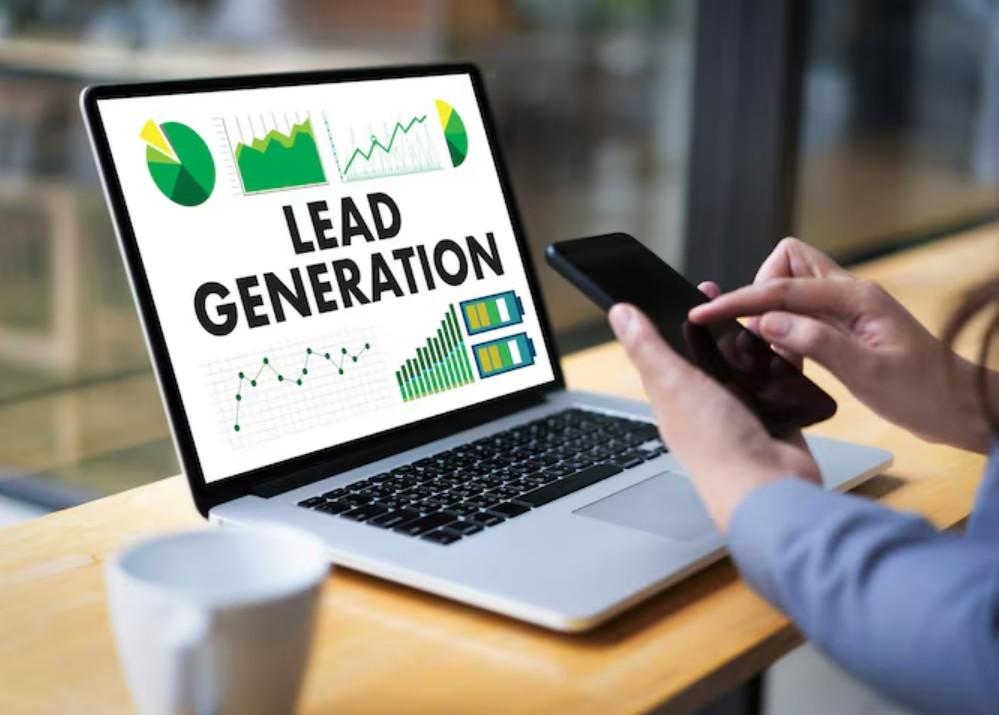
Finding new customers has always been an important part of running a business. The difference today is that much of the buying journey happens online before a potential customer ever speaks with a sales representative.
People search for solutions, compare businesses, read information, and decide who they trust from the comfort of their own screen. For businesses that rely on a steady flow of new customers, this makes online lead generation more important than ever.
A well planned lead generation strategy can help businesses attract people who are already interested in what they offer, capture their information, and turn that initial interest into real conversations.
What Is Online Lead Generation?
Online lead generation is the process of attracting potential customers through digital channels and encouraging them to take meaningful action. That action could be filling out a form, requesting more information, booking an appointment, calling a business, or responding to an offer.
The important thing to understand is that online lead generation is about more than getting website visitors. A large amount of traffic does not necessarily translate into new business. The real value comes from attracting the right people and giving them a clear reason to take the next step.
This is why successful lead generation usually combines marketing, technology, messaging, and follow up rather than relying on a single channel.
Why a Reliable Lead Generation System Matters
Many businesses spend considerable time looking for new prospects every month. They may experiment with advertisements, social media posts, referrals, purchased leads, or other marketing methods.
The problem is that these activities can become difficult to manage when there is no consistent system behind them.
A dedicated online lead generation system gives a business a repeatable process. Instead of starting from scratch whenever new customers are needed, the business can use campaigns and processes designed to continuously attract and capture potential customers.
This can also give businesses more control over the type of prospects they attract and the way those prospects move through the sales process.
Getting the Right People to Notice Your Business
Effective lead generation begins with reaching the right audience. Social media advertising can be useful because businesses can create campaigns around specific audiences, interests, locations, and business needs.
Platforms such as Facebook and Instagram give advertisers opportunities to put their message in front of people who may have an interest in their services. However, simply running an advertisement is not enough.
The message needs to speak to a problem the audience understands. It should explain why the offer is relevant and give people a clear reason to respond. A good campaign focuses less on getting attention from everyone and more on getting attention from the people most likely to become customers.
Turning Interest Into Action With Landing Pages
Once someone clicks an advertisement, the next step is just as important. A landing page should continue the conversation started by the advertisement. If the advertisement promises one thing but the landing page feels unrelated, the prospect may leave without taking action.
A strong landing page keeps the message clear and focused. It explains the value of the offer, answers important questions, establishes trust, and makes it easy for the visitor to submit their information or schedule the next step.
This is one reason conversion focused landing pages are an important part of a complete online lead generation strategy. The goal is not simply to attract visitors but to give interested visitors a simple path toward becoming leads.
Lead Generation Does Not End With the Form
One of the most overlooked parts of lead generation is what happens after someone submits their information. A prospect may be interested when they fill out a form, but that interest can fade quickly if nobody responds.
They may also contact several businesses at the same time and move forward with whoever responds first and provides a useful experience. Automated follow up can help solve this problem.
Businesses can use automated messages, notifications, reminders, and appointment scheduling to maintain communication with new prospects. This does not replace personal sales conversations.
Instead, it helps make sure that promising opportunities do not disappear simply because someone was unavailable at the right moment. A connected system can make the process faster and more consistent, from the initial advertisement through lead capture and appointment scheduling.
Measure the Results That Actually Matter
Not every lead has the same value. A campaign that produces a large number of inquiries may appear successful, but those numbers do not tell the full story. Businesses should look at what happens after a lead enters the system.
Important measurements can include the cost of acquiring a lead, the percentage of leads that schedule appointments, the number that become customers, and the overall revenue generated by a campaign.
Tracking these numbers makes it easier to identify where improvements are needed. For example, if an advertisement generates plenty of clicks but very few inquiries, the problem may be the landing page or offer.
If the business receives many inquiries but few appointments, the follow up or qualification process may need attention. This approach turns lead generation into a measurable business process rather than a guessing game.
Building a More Predictable Source of Opportunities
The biggest advantage of a properly designed online lead generation strategy is consistency. Businesses cannot control exactly when someone will decide to buy, but they can control how effectively they attract attention, capture interest, and follow up with potential customers.
A system that combines targeted advertising, relevant landing pages, lead capture, automated follow up, and appointment scheduling can create a smoother path from first interaction to sales conversation.
Ultimately, online lead generation is not about collecting as many names and phone numbers as possible. It is about creating meaningful opportunities with people who have a genuine reason to consider your services.
When the right audience sees the right message, reaches a focused landing page, receives timely follow up, and has an easy way to take the next step, the entire customer acquisition process becomes more organized.
For businesses looking to grow consistently, that kind of system can be far more valuable than simply chasing the next lead.
Frequently Asked Questions
What is online lead generation?
Online lead generation is the process of attracting potential customers through digital marketing channels and encouraging them to provide their contact information or take other meaningful action, such as booking an appointment or requesting more information.
What are the most effective online lead generation channels?
Businesses can generate leads through search engines, social media advertising, email marketing, content marketing, landing pages, and other digital channels. The right combination depends on the target audience, services offered, budget, and sales process.
How can a business improve the quality of its leads?
Lead quality can improve by clearly defining the ideal customer, creating targeted advertising campaigns, using relevant offers, and designing landing pages that communicate expectations clearly. Qualification questions and timely follow up can also help businesses focus on more relevant opportunities.
Why is follow up important in lead generation?
Follow up keeps the conversation going after a prospect expresses interest. Responding quickly and consistently can help businesses maintain engagement, answer questions, and guide potential customers toward the next stage of the buying process.

 English
 Arabic
 French
 Spanish
 Portuguese
 Deutsch
 Turkish
 Dutch
Dutch
 Italiano
 Russian
 Romaian
 Portuguese (Brazil)
