


Ground-Level Solar Panel Cleaning for Homes in Cantt
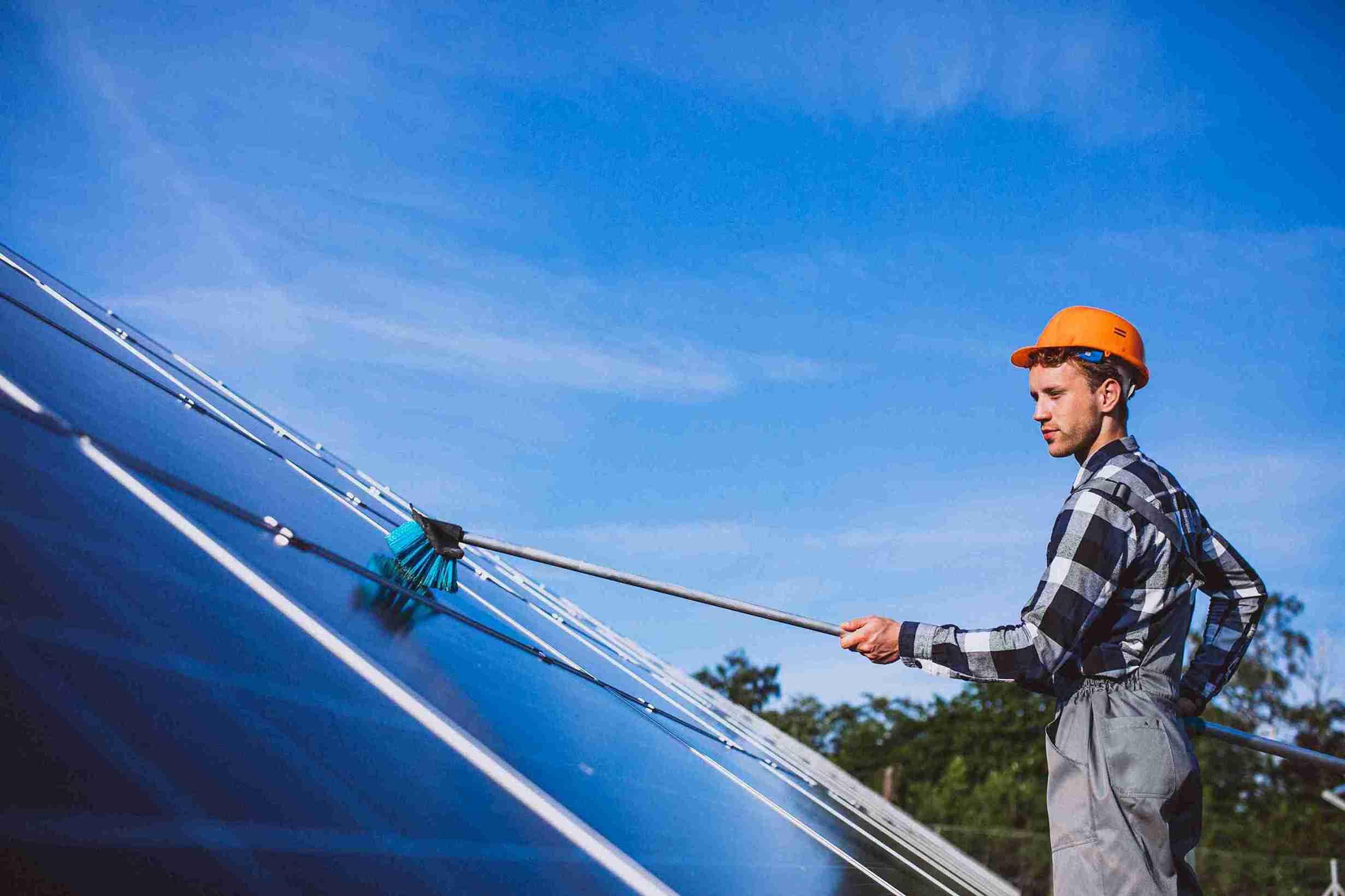
Most homeowners do not want to climb onto a roof just to remove a layer of Lahore dust. Ground-level solar panel cleaning offers a safer way to wash reachable panels from below, provided the array, roof height, and equipment all suit the method. In Cantt, that matters because many homes have narrow side passages, mature trees, boundary walls, and roof layouts that make casual ladder work a bad idea.
The goal is not to spray everything aggressively and hope for the best. A proper ground-based approach removes loose dust and light grime while protecting the glass, seals, frames, and electrical connections. This guide explains where it works, what tools matter, which mistakes waste effort, and when ground access is simply not enough.
What Ground-Based Cleaning Can Actually Do
Ground-level solar panel cleaning is the use of a long-reach pole, soft brush, and controlled water flow to clean solar modules without a person standing on the roof. It is most practical for panels installed on a single-storey roof edge, a low car porch, a pergola, or a second-storey section with clear access from the ground.
The method works best when the brush can reach the full surface at a gentle angle. If the pole only reaches the bottom third of a panel, you will leave an uneven film across the top and create streaks that dry into visible marks. A useful test is simple: stand where you plan to work, extend the pole dry, and confirm that you can reach every panel corner without leaning backward, twisting, or touching the roof edge.
For many Cantt homes, solar system cleaning from the driveway or courtyard is possible because panels often sit above a garage, lawn-facing roofline, or open terrace wall. It becomes less realistic where tall trees, security wiring, shade structures, or a neighbouring boundary wall block your working line. Reach is not the same thing as control; a pole that technically touches the panel but cannot be guided steadily is not good enough.
Start With a Reach and Safety Check
Do not begin with water. First confirm that the ground is level, the pole will not pass near overhead wires, and every hose connection is secure. Slippery paving, uneven garden tiles, parked cars, and wet marble are small hazards until a long pole turns them into a balancing problem.
Keep the work zone clear for at least two metres around you. Ask another person to keep children, pets, and vehicles out of the path while you work. A second person is not there to hold a ladder; the whole point is to avoid a ladder where possible. They are there to manage the hose, spot a snagged cable, and stop the work if the pole drifts too close to an unsafe area.
A powered solar panel cleaning machine can make sense for large, low-mounted arrays, but it is not the default tool for a house. Many machines add weight, need a controlled water supply, and can be awkward in tight Cantt courtyards. For a modest residential installation, a light telescopic pole gives better control and creates fewer opportunities to scratch glass or strike a frame.
Build a Setup That Cleans Without Leaving Marks
The safest basic setup is a telescopic water-fed pole with a soft-bristle brush head, a hose, and clean water with low mineral content. The brush should glide across the glass; it should never feel like it is scrubbing a kitchen floor. Do not use abrasive pads, steel wool, hard deck brushes, pressure-washer lances, or strong household detergents.
Water quality matters more than people think. Lahore tap water can leave pale mineral spotting when it dries in heat, especially on dark glass. If filtered or softened water is available, use it for the final rinse. If it is not available, work in a cooler part of the day and rinse each panel thoroughly so dirty water does not dry in place.
Good solar panel cleaning is controlled rather than forceful. Start with a gentle rinse to carry away loose dust. Then use the soft brush with light, overlapping strokes from the upper edge down, letting the water loosen dirt instead of forcing the bristles to do all the work. Keep the brush head wet and clean; a brush that has picked up grit from the ground can drag tiny particles across the glass.
Follow a Simple Ground-Based Cleaning Sequence
A repeatable sequence gives cleaner results and prevents the classic mistake of re-wetting dirt after you have already washed it away. Ground-level solar panel cleaning should be done only after the panel surface has cooled, usually early morning or late afternoon rather than during harsh midday sun.
- Turn off the cleaning area only if your inverter manufacturer’s instructions require it. Do not disconnect electrical parts or open junction boxes for routine washing.
- Inspect the panels from below. Look for cracked glass, loose cables, bird nests, heavy mud, or a damaged frame before the brush touches anything.
- Rinse one small panel group at a time. A gentle flow is enough to soften dust and lift dry debris.
- Brush with slow, straight passes. Begin at the top, overlap each pass slightly, and avoid pushing sideways against panel edges.
- Rinse again until the runoff looks clear. Do not leave detergent behind, because residue attracts more dust.
- Move along the array in one direction. This avoids skipping panels and keeps the hose from rubbing across clean glass.
- Let the panels air dry. Wiping them from below with a cloth usually creates lint and can miss the upper corners.
A 4 to 6 kilowatt home system can often be cleaned in 30 to 60 minutes from the ground when access is clear. The exact time rises sharply if the operator has to move around trees, parked cars, narrow gates, or several roof faces. Rushing is how poles hit frames, hoses snag, and a safe job turns into a roof-access job.
Adjust the Routine for Cantt Dust, Trees, and Weather
Cleaning frequency should follow visible soiling, not a rigid calendar. In Cantt, fine dust can settle after dry spells, while tree sap, bird droppings, and leaf litter create more stubborn patches near older roads and green residential pockets. Check the panels every two to four weeks, then clean when the film is clearly visible or performance monitoring shows an unusual drop.
Avoid washing during high wind, rain, or peak heat. Wind makes a long pole difficult to control and blows grit back onto wet glass. Rain does not reliably clean panels because it can leave dust trails, pollen, and mineral deposits behind. Heavy summer heat also makes water evaporate too fast, which increases spotting.
There is one exception to the “clean from the ground” habit: caked bird droppings or hardened construction dust. Soak those areas with a gentle flow first, wait a few minutes, and use only light brush pressure. If the mark does not release, stop. Grinding at a stubborn patch is a silly way to trade a dirty panel for a scratched one.
Know When Ground Access Is Not the Right Method
Ground cleaning is not automatically safer just because your feet stay on the ground. Stop and reassess when panels sit behind a parapet, above three storeys, on a steep roof, or under a line of tangled cables. You should also avoid the method when the brush cannot reach the top edge cleanly or when the pole becomes hard to control after extension.
A solar panel washing service in cantt is more appropriate for inaccessible arrays, heavy staining, rooftop systems with fragile walkways, or panels that need an inspection alongside cleaning. That is not a defeat; it is basic risk control. AfinitySolar treats the ground method as one option among several, because the right cleaning approach depends on access first and dirt second.
Watch for conditions that cleaning will not solve: cracked glass, burn marks, recurring hotspots in monitoring, water inside a module, or loose mounting hardware. These are inspection issues, not wash-day issues. Sending a brush toward them does nothing except hide the real fault for another week.
Final Thoughts
The best method is the one that gets the panel clean without putting a person, roof edge, or electrical system under unnecessary stress. Ground-level solar panel cleaning is effective for low, accessible arrays when you use a soft brush, low-pressure water, steady technique, and good judgement about weather.
For Cantt homeowners, the practical win is simple: inspect often, clean before grime hardens, and stop the moment reach or control becomes questionable. Clean glass helps light reach the cells; reckless cleaning does not. That distinction is the whole game.
Frequently Asked Questions
Can I clean solar panels from the ground with an ordinary garden hose?
Yes, for low and reachable panels, provided the spray is gentle and you follow with a soft brush on a telescopic pole. Do not use a narrow high-pressure nozzle. Strong jets can force water where it does not belong and make the pole harder to control.
Should I use soap or dishwashing liquid on solar panels?
Usually, no. Plain water and a soft brush handle ordinary dust well. Soap can leave a film that attracts more dirt, and strong household cleaners may affect coatings, seals, or frame finishes.
How often should Cantt homeowners wash their panels?
Inspect them every two to four weeks, especially after dry dusty weather, nearby construction, or heavy leaf fall. Wash only when you can see a consistent film, bird droppings, or a performance change that does not match normal weather conditions.
What is the safest time of day to clean solar panels in Lahore?
Early morning or late afternoon is usually safest because the glass is cooler and water is less likely to evaporate immediately. Avoid the hottest hours, especially in summer, because a hot panel can dry unevenly and leave water marks.
Can a long pole damage my solar panels?
It can, if the brush is dirty, the bristles are stiff, or the pole is pushed sideways into frames and corners. Use a clean soft-bristle head, keep it wet, and stop if you cannot maintain steady contact across the full panel surface.

 English
 Arabic
 Spanish
 Portuguese
 Deutsch
 Turkish
 Dutch
Dutch
 Italiano
 Russian
 Romaian
 Portuguese (Brazil)
 Greek
Greek