


HP Tourism Hotels: The Complete Guide to Staying Across Himachal Pradesh
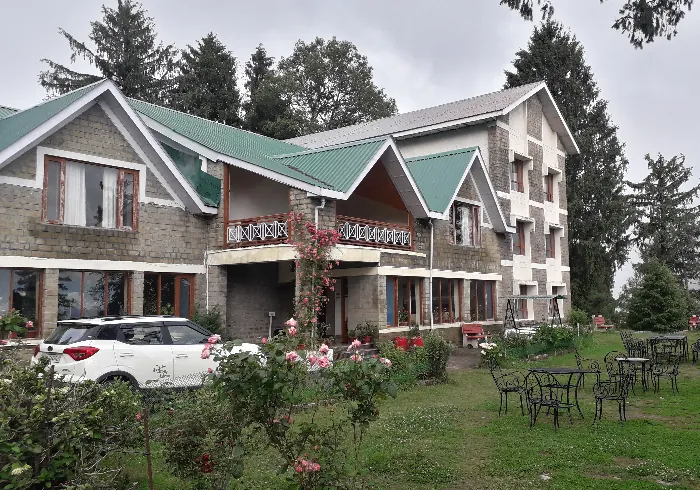
The Hotel Network That Makes Himachal Pradesh Easier to Plan Than You Think
There's a particular kind of frustration that hits somewhere around the third hour of planning a Himachal Pradesh trip. You've picked your destinations, mapped the rough route, and now you're staring at a browser full of private hotel listings that either look nothing like the photos, charge wildly different prices depending on which day you check, or simply don't exist in the specific town you need them in.
What most people don't realise until someone tells them — or until they stumble across it by accident — is that Himachal Pradesh has its own government-run hotel network that covers the state more comprehensively than almost any private operator, holds its prices more predictably across seasons, and includes some of the most genuinely remarkable places to sleep in the entire country. Understanding how this network works is one of the most practically useful things any Himachal traveller can know before they start booking anything.
How the Government Hotel Network Actually Works
The Himachal Pradesh Tourism Development Corporation, known universally as HPTDC, has operated hotels across the state since the 1970s. The network now covers dozens of towns spanning every major travel circuit — from the lower hill stations near the plains to the high-altitude desert towns of Spiti and the deep valleys of Kinnaur.
What sets this network apart from its private counterparts isn't primarily quality — though quality is consistent — it's coverage and pricing stability. Private hotels concentrate where demand is highest and returns are most reliable. HPTDC properties exist where travellers actually need them, including remote towns where private alternatives are genuinely sparse or don't exist at all. And unlike private hotel pricing, which can triple during a busy June weekend in Manali, HPTDC tariffs are regulated by the state and hold relatively steady regardless of the calendar — which makes the network particularly valuable for families and budget-conscious travellers planning trips months in advance.
HP tourism hotels under HPTDC split into three distinct tiers, each serving a different kind of traveller and a different kind of trip.
The Heritage Tier — Where History Becomes Part of the Stay
The heritage properties are HPTDC's most distinctive offering, and they sit in a category that private hotels simply cannot enter — not because of amenities or service, but because of the physical history embedded in the buildings themselves.
The Peterhof in Shimla served as the official residence of the Viceroy of India during the decades when Shimla functioned as the British Empire's summer capital. The building is not a themed heritage hotel constructed to look old — it is genuinely old, with a documented history that predates most of India's private hospitality industry entirely. Staying there places you inside a piece of colonial administrative history that no amount of modern construction can replicate.
The Castle in Naggar is a centuries-old fortification above the Kullu valley that was converted into a rest house during the British period and has operated as an HPTDC heritage hotel since 1978. The views from its position above the valley are the kind that make guests understand immediately why the building was placed exactly where it is.
The Palace in Chail is perhaps the most unusual heritage property in the entire network. It was built in 1891 by the Maharaja of Patiala after he was reportedly banned from Shimla by the British Viceroy following a personal dispute. The Maharaja's response was to find a higher hill, clear the forest, and build a summer palace that literally looked down on Shimla from 2,250 metres above sea level. The estate includes what is documented as the world's highest cricket ground, built by levelling the hilltop. None of this is marketing invention — it's straightforwardly recorded history, and spending a night on this estate carries a weight of story that a newly built boutique hotel could never manufacture.
The Khajjiar Cottage sits in the meadow landscape of Khajjiar, a small plateau 2,000 metres above sea level that draws its nickname — the "Switzerland of India" — from the combination of a circular meadow, a small lake at its centre, and deodar forests covering the surrounding slopes. The cottage operates as a heritage stay within this setting, giving travellers a base in one of Himachal's quieter and less commercialised destinations.
Because these properties are limited in room count by the size and structure of the buildings themselves, they fill up significantly faster than deluxe or budget properties during peak periods. Anyone hoping to stay at The Peterhof in June or The Log Huts near Manali during summer needs to book weeks — sometimes over a month — in advance.
The Deluxe Tier — Reliable, Scenic, and Sensibly Priced
The deluxe category forms the practical backbone of the HPTDC network. These are properly equipped mid-range hotels with attached bathrooms, in-house dining, and locations chosen for their access to the destinations travellers actually come to see.
Hotel Golf Glade in Naldehra sits beside one of the highest golf courses in the world — a nine-hole course at 2,100 metres that dates to the British period and offers views across the surrounding cedar forests. The Rohtang Manalsu in Manali provides a well-located base in one of the state's most popular towns without the surge pricing that characterises private Manali hotels during peak months. The Spiti in Kaza is the most practical option for travellers reaching the Spiti valley, where private hotel quality becomes genuinely unpredictable at the more remote end of the circuit.
The Club House in McLeod Ganj sits close to the Dalai Lama's residence and the Namgyal Monastery, positioning it well for travellers drawn primarily to the area's Tibetan Buddhist culture rather than the town's more commercial aspects. The Shiwalik in Parwanoo serves a different kind of traveller — those arriving from Chandigarh for a short hill break rather than a longer Himachal circuit — and is distinguished by its access to the ropeway up to the hilltop above the town.
The deluxe tier is where most regular Himachal travellers — those building a five to seven day circuit across multiple towns — will spend the majority of their nights. The consistent standard across properties means that a "deluxe" room in Dharamshala carries roughly the same expectations as a "deluxe" room in Kullu, which simplifies multi-town planning considerably compared to the private market where the same star rating can mean entirely different things depending on the specific property.
The Budget Tier — Functional, Located, and Genuinely Useful
Budget rooms across the HPTDC network are positioned primarily near bus stands and transport hubs — a deliberate choice that makes them maximally useful for travellers who plan to spend their days out exploring rather than their time in the room. They're clean, managed to a basic standard, and priced accessibly, serving a real function in the itinerary of a traveller who prioritises experiences over accommodation comfort.
For budget travellers building long Himachal circuits on tight timelines, the budget tier provides a reliable fallback in towns where private budget accommodation can be genuinely inconsistent in cleanliness and management standards.
The Circuit Logic That Makes Booking Make Sense
The most useful reframe for planning a Himachal trip is to think in circuits rather than isolated destinations. The state's geography naturally organises itself into distinct travel corridors, and planning accommodation around one of these circuits produces a considerably more coherent and logistically efficient trip than picking towns at random.
The Dhauladhar Circuit links Dharamshala, McLeod Ganj, Palampur, Kangra, Chamba, and Dalhousie across roughly 215 kilometres, tracing the base of the Dhauladhar range through the state's northwestern districts. HPTDC has properties in each of these towns, making it possible to build the entire circuit using hp tourism hotels without mixing in private options if a traveller prefers the consistency of a single network.
The Kullu-Manali corridor is the state's most visited stretch, and it's where the pricing contrast between HPTDC and private hotels is most visible during peak months. The corridor includes some of HPTDC's most distinctive accommodation — the Log Huts near Manali offer individual wooden cottages in a forested setting above the town, a format that private hotels haven't replicated at scale because the setting is largely within state land.
The Shimla and surrounding district has the densest HPTDC presence in the state, with The Peterhof at the top of the range and several deluxe and budget properties covering different parts of the town and its surrounding areas. Kufri, Naldehra, Narkanda, and Chail each have HPTDC properties that suit travellers wanting to explore the districts surrounding the state capital without making Shimla itself their base for every night.
The Spiti-Lahaul belt is the most demanding circuit in the state logistically, and it's where HPTDC coverage matters most. Private accommodation in Kaza and Keylong exists but is limited and variable in quality. The HPTDC properties in these towns provide a reliable baseline in locations where the alternative is genuinely uncertain.
The Seasonal Reality That Most Travel Guides Understate
A significant portion of Himachal Pradesh is inaccessible for a significant portion of the year, and this isn't a footnote — it's a fundamental planning constraint that determines whether a trip is possible at all.
The Rohtang Pass, which connects the Kullu valley to Lahaul and Spiti, closes annually due to snow accumulation. The closure typically begins in October or November and lifts sometime between April and June depending on that year's snowfall. During closure, the entire Lahaul-Spiti belt — Keylong, Kaza, and the roads beyond — becomes inaccessible by the main route. An alternative winter route via the Atal Tunnel exists for Lahaul but not for Spiti.
The Kinnaur district's inner roads face a different seasonal challenge — monsoon-season landslides between July and September affect the roads connecting the main Kinnaur towns to the higher valley destinations like Chitkul and Sangla. These aren't rare events; they're annual patterns that make certain stretches of road genuinely inadvisable during peak monsoon.
Confirming that a specific HPTDC property is both open and reachable on your actual travel dates — not just listed as available on a booking platform — is the first check to make for any trip involving the high-altitude circuits. This single verification step prevents the most common and frustrating Himachal planning mistake: confirmed reservations for a property that can't be reached.
What to Check Before Booking Any HP Tourism Hotel
A few specific questions make a meaningful difference to the actual experience of staying in the HPTDC network.
Meal inclusions vary by property and sometimes by season. Some heritage and deluxe properties bundle breakfast or full board into the room rate. Others charge separately for every meal. In remote areas like Spiti where outside dining options are limited or nonexistent, this difference adds up considerably over a week-long trip — a property that initially looks more expensive because it includes meals can end up the more economical option.
Specific room type within a property matters more in heritage hotels than in standard accommodation. The Peterhof has rooms that look directly over Shimla and rooms that face the hillside — the difference in experience is significant, and asking specifically for a view room is worth doing when making the reservation rather than hoping for the best at check-in.
Cancellation policy flexibility is more important for high-altitude Himachal trips than for almost any other travel context, because weather-related disruptions are a regular feature of mountain travel rather than a rare exception. A policy with some flexibility for road closures and weather events saves genuine money and stress when the unexpected happens.
Conclusion
The HPTDC network gives Himachal Pradesh travellers something genuinely useful: a consistent, geographically comprehensive accommodation option with pricing that doesn't surge unpredictably and properties that, at the heritage tier, include some of the most historically significant places to stay in the country. The Peterhof, The Castle in Naggar, and The Palace in Chail aren't just convenient accommodation — they're irreplaceable buildings with documented histories that add a dimension to a Himachal trip that no private hotel can match.
Planning a Himachal trip well means treating accommodation as a primary decision rather than a logistical afterthought. Identify the circuit, understand the seasonal access window, book heritage properties early, confirm what the quoted rate includes, and verify road accessibility for any high-altitude destination. Get those five things right and the trip almost always rewards the planning. Get them wrong and even the most beautiful destination in the state can feel like an expensive lesson in what to do differently next time.
Frequently Asked Questions
What is HPTDC and who should consider booking through it?
HPTDC stands for the Himachal Pradesh Tourism Development Corporation, the state government body that manages a network of hotels, cottages, and tourist bungalows across Himachal Pradesh. It's worth considering for any traveller who wants pricing stability across a multi-town circuit, genuine heritage accommodation in historic buildings, or reliable options in remote towns where private alternatives are limited. It's particularly well-suited to families planning in advance, budget-conscious travellers who want predictable costs, and anyone specifically interested in staying in historically significant properties rather than generic modern hotels.
Which HPTDC properties are most likely to sell out during peak season?
Heritage properties fill fastest, given their limited room counts and consistent demand. The Peterhof in Shimla, The Log Huts near Manali, and The Palace in Chail are the properties most likely to be unavailable if you check less than a month before a peak-season trip. Deluxe properties in Manali, Dharamshala, and Shimla also face significant demand during May, June, and the Diwali fortnight. Booking four to six weeks ahead for peak-season heritage stays is a minimum — earlier is better for the most sought-after properties.
Is Spiti valley accessible year-round for tourists?
No. The Spiti valley's primary access route crosses the Rohtang Pass, which closes due to snow accumulation typically between October/November and late May or early June depending on that year's snowfall. During the closure period, Spiti is effectively inaccessible from the Kullu valley side. A longer alternative route via Shimla and the Kinnaur district remains open for longer but is also subject to seasonal road conditions. The usable tourist window for Spiti is generally June through September or early October, with the exact dates varying year by year.
Do HP tourism hotels include meals in the room rate?
It varies by property, tier, and sometimes by season. Some heritage and deluxe properties include breakfast or full board in their standard rate. Others price accommodation and meals separately. This distinction matters more in remote locations — particularly in the Spiti belt where outside dining options are sparse — than in towns like Shimla or Manali where restaurants are plentiful. Always confirm the meal inclusion status explicitly when making a reservation rather than assuming either way.
How do HPTDC hotel prices compare to private hotels in the same towns?
During off-peak periods, HPTDC prices are broadly comparable to mid-range private options. During peak months — May, June, October, Diwali — the comparison shifts significantly in HPTDC's favour, because private hotel pricing in popular towns like Manali and Shimla can surge dramatically while HPTDC tariffs remain regulated and relatively stable. A traveller who books an HPTDC property three months in advance for a June trip will almost certainly pay less than someone booking a comparable private hotel two weeks before the same dates.
What's the difference between staying in Shimla versus staying in an area like Naggar or Chail?
Shimla offers the widest range of accommodation options, the most developed tourist infrastructure, and the easiest access from the plains — making it the natural base for first-time Himachal visitors. Naggar and Chail offer something different: quieter, more immersive environments where the HPTDC heritage properties are genuinely distinguished by their setting and history rather than just their category name. The Castle in Naggar sits in the Kullu valley away from the commercial tourism of Manali. The Palace in Chail sits on a forested ridge above the Shimla bustle. Both suit travellers who have already seen the major tourist towns and want an experience with more character and fewer fellow visitors.

 English
 Arabic
 French
 Spanish
 Deutsch
 Turkish
 Dutch
Dutch
 Italiano
 Russian
 Romaian
 Portuguese (Brazil)
 Greek
Greek
