


Oil and Gas Equipment Sourcing A Practical Guide for Procurement Team
Every delayed shipment on a live production site turns into a cost figure someone has to explain. That pressure is exactly why oil and gas equipment sourcing has become a specialised function rather than a generic purchasing task, handled by teams who understand certification, lead times, and the operating conditions equipment will face once installed. Getting it right the first time is almost always cheaper than fixing a wrong order after the fact. The teams that consistently avoid these headaches tend to treat sourcing as risk management rather than a straightforward purchasing exercise.
Why This Sector Sources Differently Than Others
Oil & gas equipment sourcing carries constraints most industries never deal with: hazardous area certifications, strict material traceability, and equipment that has to keep working reliably in extreme heat, corrosive atmospheres, or remote locations with limited access for repairs.
A part that would be perfectly acceptable in general manufacturing can be entirely unsuitable here if it lacks the right certification paperwork or was produced from an unverified material batch. That is why sourcing teams in this sector spend as much time validating a supplier's documentation as they do evaluating the part itself.
Geography adds another layer of difficulty. Many sites sit far from major supply hubs, so a supplier's ability to plan around customs clearance, freight consolidation, and site access windows can matter just as much as their manufacturing capability.
CNC Steel Parts and the Case for Verified Manufacturing
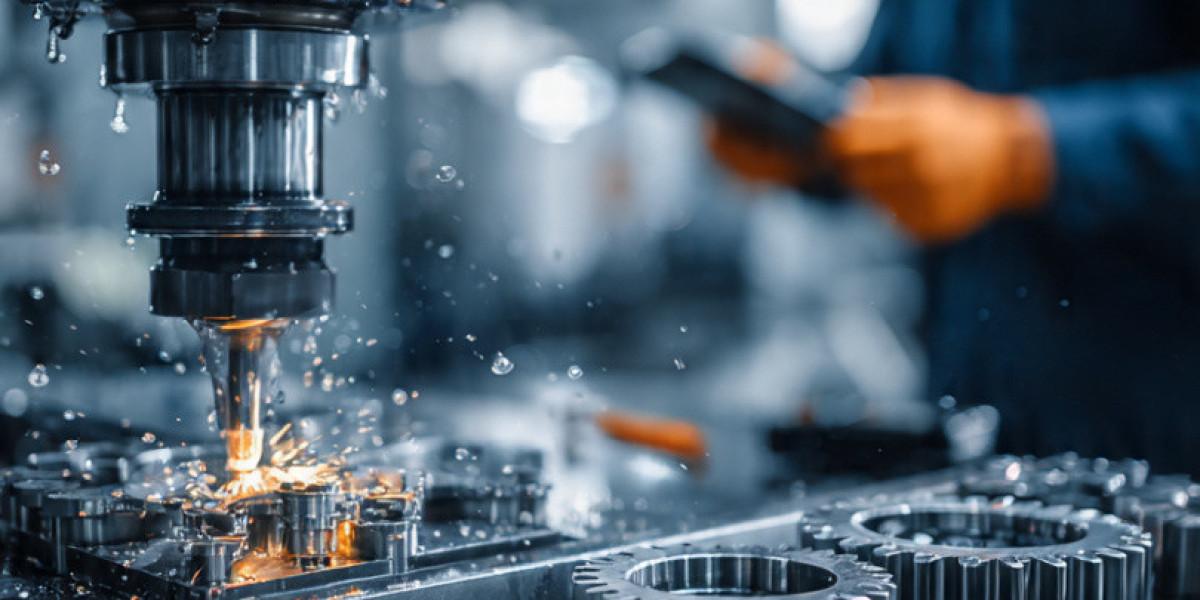
A large share of what gets sourced in this space comes down to CNC steel parts: valve components, flanges, housings, and structural fittings that need to hold dimensional accuracy under sustained mechanical and thermal stress.
Verified steel components, produced with full material certificates and dimensional inspection records, remove a lot of the guesswork from procurement. When a component's origin, alloy grade, and machining tolerance are all documented, engineering teams can approve it faster and with far more confidence than when working from a supplier with no traceable manufacturing history.
This matters even more on components that will be welded or assembled into a larger structure, since an unverified batch of machined parts can introduce inconsistencies that only surface after installation, when correcting them is far more disruptive and expensive.
Balancing Lead Time, Cost, and Reliability
The instinct to chase the lowest quoted price is understandable, but in oil & gas equipment sourcing it is often the most expensive mistake a buyer can make. A cheaper part with a longer, less predictable lead time, or one sourced from an unverified supplier, can end up costing far more once downtime, expedited freight, or field failure are factored in.
Experienced sourcing teams weigh three factors together rather than optimising for price alone: verified quality history with the supplier, realistic delivery timelines given current site conditions, and total landed cost rather than just the unit price on a quotation.
It also helps to build in contingency rather than sourcing on a razor-thin schedule. Suppliers who communicate realistic timelines up front, even when they are longer than a buyer hoped for, tend to be far more reliable partners than those who consistently quote the fastest possible delivery and then miss it.
What a Strong Sourcing Partner Should Offer
The right sourcing partner does more than fill a purchase order. Look for these capabilities before committing to a supplier relationship:
-
Access to both new manufacturing and equipment sourcing, so gaps can be filled either way
-
Material certificates and full traceability on every batch of machined steel components
-
Realistic, honestly communicated lead times rather than optimistic promises
-
Experience shipping into remote or restricted-access project sites
-
A single point of contact who understands the technical specification, not just the order number
It is also worth reviewing how a supplier handles problems, not just how they perform when everything goes smoothly. Ask for an example of a delayed shipment or a quality issue and how it was resolved. How a supplier responds when something goes wrong is usually a better indicator of long-term reliability than their pitch deck.
Conclusion
Reliable oil and gas equipment sourcing is less about finding the cheapest supplier and more about finding one whose documentation, lead times, and manufacturing quality can be trusted before the equipment is ever installed. Whether you are replacing a single valve component or sourcing CNC steel parts for a full project build-out, the paperwork behind the part matters as much as the part itself. Talk to a sourcing team early in your project planning so certification and lead-time constraints are handled before they become a site-level problem rather than a last-minute scramble.
FAQs
1. What certifications should oil and gas equipment suppliers have?
ISO 9001 is a baseline expectation, and depending on the application you may also need hazardous-area or API-aligned documentation. Always confirm certification requirements match your specific site and equipment type.
2. How far in advance should equipment be sourced for a project?
For critical or long-lead components, sourcing should begin as early as project design, since certification, material procurement, and machining can add weeks to delivery beyond standard shipping time.
3. Can a single supplier handle both custom manufacturing and equipment sourcing?
Yes, and it is often preferable, since it reduces coordination overhead and ensures manufactured and sourced components are documented to the same quality standard.
4. Why do machined steel parts need material certificates?
Material certificates confirm the alloy grade and origin of the steel used, which is essential for verifying the part can safely handle the pressure, temperature, and stress it will face in service.
5. How does site location affect equipment sourcing timelines?
Remote or restricted-access sites often require additional planning for customs, freight consolidation, and last-mile delivery, so lead times should account for logistics as well as manufacturing time.

 English
 Arabic
 French
 Spanish
 Portuguese
 Deutsch
 Turkish
 Dutch
Dutch
 Italiano
 Romaian
 Portuguese (Brazil)
 Greek
Greek
