


Could Chitral’s Traditional Herbal Wisdom Be Worth Exploring
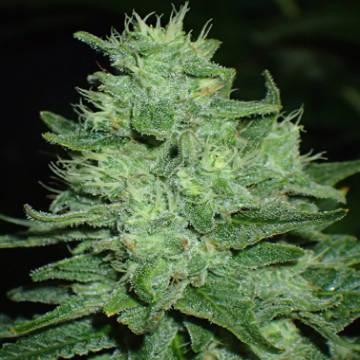
In an age of modern supplements, wellness trends, and increasingly complex product choices, many people are becoming curious about traditional approaches to plants and natural living. Instead of looking only at newly developed products, consumers are also exploring knowledge that has been passed between generations.
Chitral is particularly interesting in this context. Located in the mountainous north of Pakistan, the region has a distinctive cultural heritage and a close relationship with its surrounding natural environment. Traditional knowledge about plants forms part of the broader heritage of communities that have lived in these landscapes for generations.
But could Chitral’s traditional herbal wisdom really be worth exploring?
For someone interested in botanical products, the answer may lie less in searching for a miracle remedy and more in understanding the knowledge, culture, ingredients, and responsible practices behind herbal products. Chitral Herbs can provide an opportunity to explore this traditional perspective while approaching modern herbal wellness with appropriate caution.
What Is Chitral’s Traditional Herbal Wisdom?
Traditional herbal wisdom refers to knowledge developed through generations of observation and experience with plants. Communities may have learned about the identification, preparation, storage, and traditional uses of plants available in their local environment.
In Chitral, this knowledge is connected with the region's unique geography and cultural traditions.
Traditional plant knowledge can be valuable because it provides insight into how people historically interacted with their natural surroundings. It can also help preserve cultural practices that might otherwise become less visible in modern lifestyles.
However, traditional knowledge should not automatically be interpreted as scientific proof. Historical use and modern clinical evidence answer different questions.
Why Is Chitral Interesting for Herbal Enthusiasts?
Chitral's mountainous environment provides an important part of its identity. Different elevations, landscapes, and local ecosystems contribute to the region's distinctive natural character.
For people interested in herbal products, this geographical connection can make Chitral particularly intriguing.
Instead of viewing an herb simply as an ingredient on a label, consumers can become interested in its wider story:
- Where is the plant traditionally found?
- How have local communities interacted with it?
- How has it historically been prepared?
- What part of the plant is traditionally used?
- How is the modern product manufactured?
- What scientific evidence is available?
These questions encourage a deeper and more responsible understanding of herbal products.
What Are Chitral Herbs?
Chitral Herbs broadly describes herbal products and botanical preparations associated with the traditional plant-based heritage of Chitral.
Depending on the individual product, these may include dried herbs, teas, powders, oils, extracts, or other botanical preparations.
It is important not to assume that every product described as a Chitral herb has the same properties. Different plants have different chemical compositions, traditional uses, safety considerations, and levels of scientific research.
Therefore, consumers should evaluate each product individually rather than making broad assumptions about an entire category.
Why Are People Returning to Traditional Herbal Knowledge?
Interest in traditional herbal knowledge is part of a broader curiosity about natural and culturally rooted wellness practices.
Modern consumers may be interested in:
- Plant-based ingredients
- Traditional preparation methods
- Regional botanical knowledge
- Simpler wellness routines
- Cultural heritage
- Ingredient transparency
There is also a growing desire to understand where products come from rather than simply purchasing something because it is marketed as “natural.”
Traditional knowledge can provide valuable context, while modern product information and scientific research can help consumers evaluate what is known about a specific ingredient.
Can Traditional Knowledge and Modern Science Work Together?
Traditional knowledge and scientific research do not have to be treated as competing ideas.
Traditional knowledge can help identify plants and historical uses that may be worth further investigation. Scientific research can then examine questions such as chemical composition, biological activity, safety, dosage, interactions, and potential effectiveness.
The amount of scientific evidence can vary significantly from one herb to another.
For this reason, consumers should avoid statements such as “this herb has always been used, so it must work.” A long history of use can be meaningful, but it does not automatically establish clinical effectiveness.
A balanced approach respects traditional knowledge while also asking what modern evidence can demonstrate.
What Can Consumers Learn From Chitral Herbs?
Exploring Chitral Herbs can be educational as well as product-focused.
Consumers may gain a better understanding of:
Regional Plant Knowledge
Learning about plants connected with Chitral can introduce people to the relationship between local communities and their natural surroundings.
Traditional Preparation
Different botanical ingredients can be prepared in different ways. Understanding preparation adds context to traditional practices.
Cultural Heritage
Herbal knowledge can form part of a community's broader cultural history.
Responsible Product Selection
Learning about individual herbs encourages consumers to read labels, examine ingredients, and understand product claims more carefully.
Sustainable Thinking
Interest in wild plants can also raise awareness of responsible harvesting and environmental protection.
What Should You Check Before Buying Chitral Herbs?
Traditional heritage can make a product interesting, but responsible purchasing requires additional evaluation.
Read the Ingredient List
Look for clearly identified ingredients. Avoid making assumptions about a product based solely on its name or marketing description.
Understand the Intended Use
Determine whether the product is intended as a beverage, food product, topical preparation, supplement, cosmetic product, or another type of herbal preparation.
Follow Directions
Use the product according to the manufacturer's instructions. Increasing the amount does not necessarily increase its usefulness and may increase risk.
Examine Product Information
Look for information about the manufacturer, storage conditions, preparation, packaging, and relevant warnings.
Evaluate Claims Carefully
Be cautious of claims that promise guaranteed cures, instant results, or treatment of serious diseases without appropriate evidence.
Is “Traditional” the Same as “Safe”?
No.
Traditional use can provide valuable historical information, but it does not guarantee that a product is appropriate for every individual.
Plants can contain biologically active compounds. Some may produce side effects or interact with medicines.
Extra caution is appropriate for people who are pregnant or breastfeeding, children, individuals with chronic conditions, and people taking prescription or over-the-counter medicines.
Anyone considering an herbal product for a specific medical concern should consult an appropriately qualified healthcare professional.
Illustrative Case Study: Exploring Traditional Knowledge Responsibly
Consider the hypothetical example of Bilal, a consumer who became interested in traditional herbal products after learning about Chitral's plant heritage.
Bilal had previously purchased commercial supplements but wanted to understand more about traditional botanical practices.
He discovered several products associated with Chitral Herbs and initially focused on the traditional background of the ingredients.
Rather than assuming that tradition guaranteed a particular result, he decided to investigate further. He reviewed the ingredient list, product instructions, intended use, storage requirements, and available manufacturer information.
Bilal also researched the individual ingredients and considered whether their traditional uses were supported by modern evidence.
Because he was taking prescription medication, he discussed the specific product with his healthcare professional before using it.
This hypothetical example highlights an important principle: exploring traditional herbal wisdom does not require abandoning modern standards of evidence and safety. Consumers can appreciate cultural heritage while still making careful, informed choices.
Why Does Responsible Sourcing Matter?
Traditional herbal knowledge depends on natural resources, which makes responsible sourcing particularly important.
If plants are harvested without appropriate consideration for regeneration and environmental conditions, increased demand can potentially place pressure on wild plant populations.
Responsible sourcing can help protect botanical resources and support sustainable practices.
When evaluating Chitral Herbs, consumers may therefore look for information about sourcing, cultivation or collection, processing, and quality practices where such information is available.
A product's connection to a traditional region becomes more meaningful when its production also considers environmental and community responsibilities.
Can Chitral Herbs Become Part of a Modern Wellness Routine?
Herbal products can potentially be incorporated into a broader lifestyle depending on their specific purpose and formulation.
A wellness routine may include balanced nutrition, physical activity, adequate sleep, hydration, stress management, and appropriate healthcare. An herbal product can be one component rather than the foundation of that routine.
For example, someone may enjoy a traditional herbal beverage as part of an evening routine. Another person may be interested in botanical products because they value cultural heritage.
The appropriate role depends on the individual product and the person's circumstances.
What Makes an Informed Herbal Consumer?
An informed consumer does not simply ask whether something is natural.
They ask better questions:
What ingredients are present?
What is the product intended for?
How should it be used?
What evidence exists?
Are there safety warnings?
Could the ingredients interact with medication?
How is the product sourced and processed?
Is the manufacturer providing sufficient information?
These questions can help consumers distinguish meaningful product information from broad marketing language.
Frequently Asked Questions About Chitral Herbs
What are Chitral Herbs?
Chitral Herbs broadly refers to herbal products and botanical preparations associated with Chitral's traditional plant-based heritage. The exact ingredients and uses vary by product.
Why is Chitral’s herbal knowledge important?
It provides cultural and historical insight into how local communities have interacted with plants and their surrounding environment. It can also encourage interest in preserving traditional botanical knowledge.
Are Chitral Herbs scientifically proven?
Scientific evidence depends on the specific herb and preparation. Traditional use does not automatically establish clinical effectiveness, so individual health claims should be assessed according to available evidence.
Can everyone use Chitral Herbs?
Not necessarily. Suitability depends on the specific ingredients and the individual's health circumstances. People taking medication or managing health conditions should seek appropriate professional advice.
Can Chitral Herbs replace medical treatment?
Herbal products should not automatically replace prescribed medication or professional medical care. Specific health concerns should be discussed with a qualified healthcare professional.
How should I choose a Chitral Herbs product?
Check the ingredients, intended use, directions, packaging, storage information, manufacturer details, and safety warnings. Evaluate specific claims rather than relying only on the product's traditional identity.
Why does sourcing matter?
Responsible sourcing can help protect plant resources and encourage sustainable harvesting, cultivation, and processing practices.
Conclusion
Chitral's traditional herbal wisdom offers a fascinating opportunity to explore the relationship between plants, culture, geography, and everyday wellness. For consumers interested in botanical products, Chitral Herbs can provide a connection to a distinctive regional tradition.
Yet the most valuable way to explore this heritage is through informed curiosity.
Traditional knowledge can tell us how communities have historically interacted with plants. Modern research can provide additional information about composition, safety, and potential effects. Product transparency can help consumers understand what they are actually purchasing.
Before trying Chitral Herbs, review the ingredients, intended use, directions, sourcing information, and safety considerations. If you take medication or have an existing health condition, professional guidance is especially important.
Ultimately, exploring Chitral's herbal wisdom does not require choosing between tradition and modern knowledge. It can mean appreciating both while making careful, realistic, and well-informed decisions about herbal products.

 Arabic
 French
 Spanish
 Portuguese
 Deutsch
 Turkish
 Dutch
Dutch
 Italiano
 Russian
 Romaian
 Portuguese (Brazil)
 Greek
Greek
