


How Can a New Boiler Improve Home Heating in the UK?
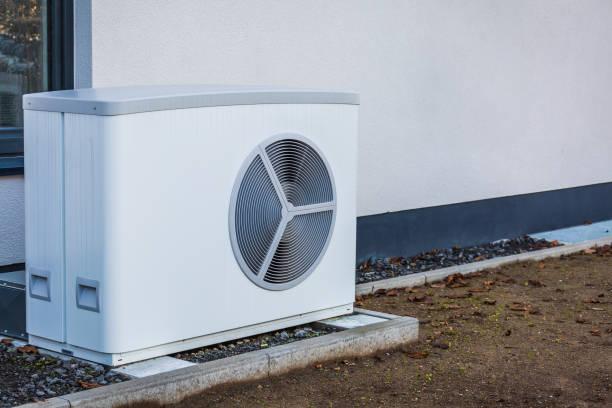
The way homes are heated has a direct impact on comfort, energy use and long-term household planning. As older heating systems reach the end of their useful life, many homeowners are exploring alternatives that can provide reliable warmth while supporting wider energy-efficiency improvements.
Heat pumps are one of the technologies gaining attention across the UK. They work by transferring heat from the air or ground rather than generating heat through conventional fuel combustion. For eligible properties, the boiler upgrade scheme can help reduce some of the upfront cost of moving to an approved heat pump.
Understanding the Move Away From Older Boilers
Traditional boilers have been widely used because they can quickly heat water and provide warmth through radiators. However, replacing an ageing boiler can also be an opportunity to consider a different heating approach.
The boiler upgrade scheme uk focuses on supporting eligible installations of low-carbon heating systems, particularly heat pumps. The aim is not simply to replace an old appliance but to encourage a transition towards alternative heating technology.
Before making this change, homeowners should consider how the property currently uses heat and what modifications may be required.
How the Boiler Upgrade Scheme Works
The boiler upgrade scheme provides support towards qualifying heat pump installations. An approved installer generally assesses the property and manages the relevant grant process.
The installation journey can include:
-
Reviewing the existing boiler and heating system
-
Assessing property suitability
-
Calculating the home's heating demand
-
Selecting an appropriate heat pump
-
Confirming applicable scheme requirements
-
Completing the installation
-
Commissioning the new heating system
The boiler upgrade scheme uk can therefore form part of a wider heating replacement project.
Preparing a Home for Heat Pump Installation
A heat pump operates differently from a conventional boiler, so the condition of the property matters. Heat pumps generally deliver heat at lower temperatures and may operate for longer periods.
Insulation
Good insulation can help reduce heat loss through the roof, walls and floors. A property with lower heat demand can be easier to heat efficiently.
Radiators
Existing radiators should be assessed before installation. Depending on the home's heating requirements, some may need to be replaced with larger units designed to provide adequate heat at lower temperatures.
Hot Water
Hot water arrangements also need consideration. Many heat pump systems use a hot water cylinder, which means suitable installation space may be necessary.
What to Consider Before Using the Boiler Upgrade Scheme UK
Eligibility is only one part of planning a heating upgrade. Homeowners should also understand the practical requirements of installing a heat pump.
Important considerations include:
-
Property insulation
-
Heat-loss calculations
-
Radiator capacity
-
Outdoor unit location
-
Electrical requirements
-
Hot water demand
-
Available indoor space
-
Heating controls
The boiler upgrade scheme uk requirements should also be checked before installation because scheme conditions and technical requirements can change.
Benefits of Modern Heating Technology
Switching from an older boiler to a heat pump can provide several potential advantages.
Lower-Carbon Heating
Heat pumps transfer existing heat instead of relying on conventional combustion. This can help reduce the carbon emissions associated with home heating.
Better Energy Efficiency Planning
A heat pump can be combined with other improvements, including:
-
Loft insulation
-
Wall insulation
-
Double glazing
-
Solar panels
-
Smart thermostats
-
Improved heating controls
Modern System Controls
Many heat pump systems can be paired with modern controls that allow homeowners to manage heating schedules and temperatures more precisely.
Understanding the Overall Installation Cost
The boiler upgrade scheme may reduce the initial cost of an eligible installation, but homeowners should consider the complete project cost.
Potential expenses can include:
-
Heat pump equipment
-
Installation labour
-
Radiator upgrades
-
Hot water cylinder
-
Pipework modifications
-
Electrical work
-
Heating controls
-
Additional insulation
A detailed quotation should clearly identify what is included and whether additional work is recommended.
Choosing an Installer
A suitable installer can assess the property and design a system around its actual heating requirements. This is particularly important when replacing a conventional boiler because heat pump systems operate differently.
Before proceeding with the boiler upgrade scheme, homeowners can ask about:
-
Heat-loss calculations
-
Recommended heat pump size
-
Radiator requirements
-
Hot water provision
-
Outdoor unit placement
-
Installation timescale
-
Warranty coverage
-
Maintenance requirements
These details can make the installation process easier to understand.
Planning the Transition From a Boiler
Replacing an old boiler with a heat pump is a significant change to a home's heating system. The boiler upgrade scheme uk can provide support for eligible installations, but property suitability and professional system design remain important.
Homeowners considering this type of upgrade should assess the building, understand the installation requirements and obtain a clear quotation before work begins. With proper planning, a heating upgrade can become part of a broader strategy for improving the home's energy performance.

 Arabic
 French
 Spanish
 Portuguese
 Deutsch
 Turkish
 Dutch
Dutch
 Italiano
 Russian
 Romaian
 Portuguese (Brazil)
 Greek
Greek
