


Why Do Investors With Five Different Apps Still Feel Lost?
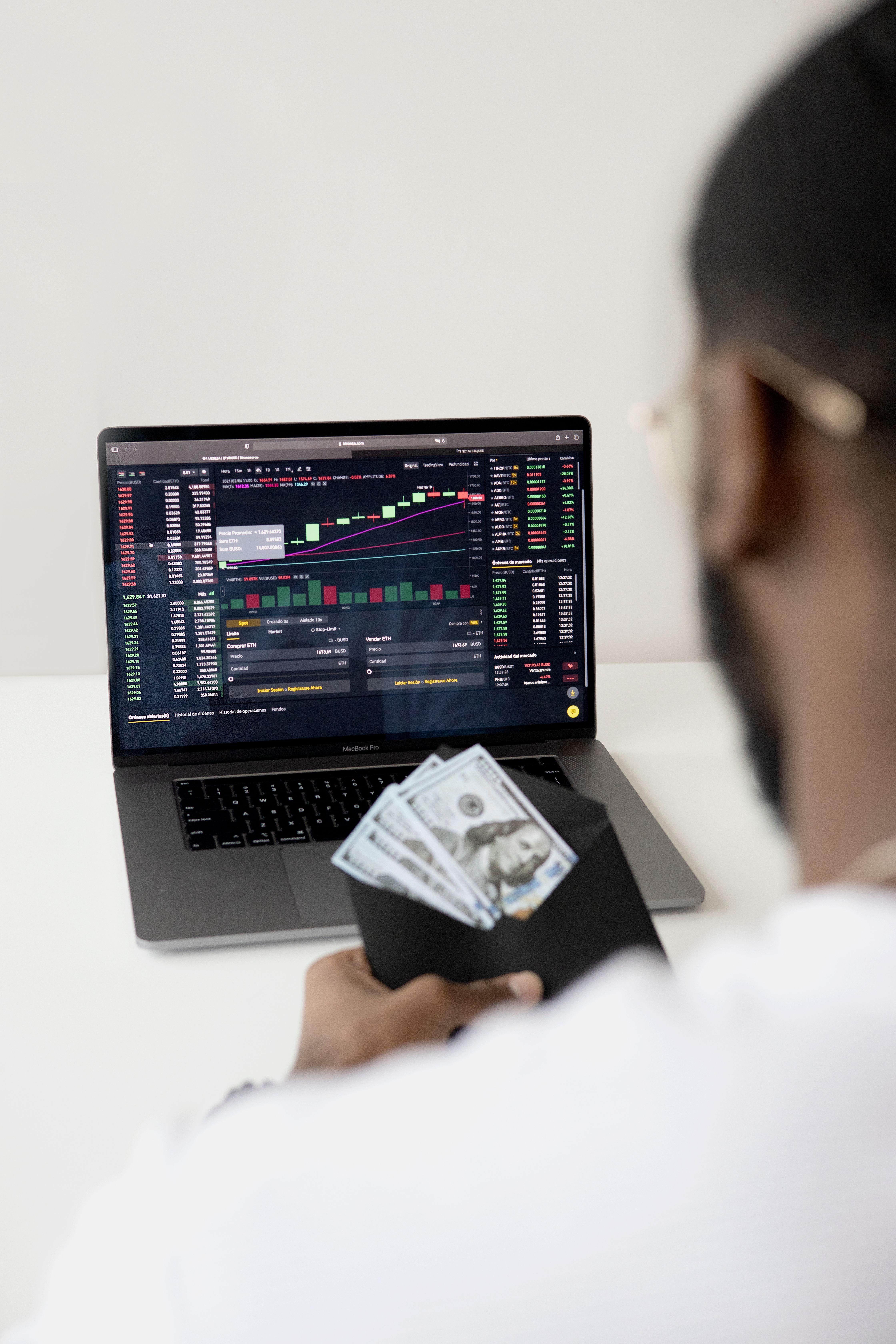
Scroll through a serious retail trader's phone sometime and count the finance apps sitting there. One for charts. Another for news. A third for options data. A fourth for fundamentals. Maybe a spreadsheet somewhere tracking everything manually on top of all that. And despite juggling all of it constantly, a lot of these people still feel like they're missing something important, and still feel behind somehow. Truth is, having plenty of individual investment research tools scattered across different apps isn't the same thing as actually having a coherent, workable research process that ties everything together properly.
More Data Sources Doesn't Automatically Mean Better Decisions
There's a common assumption that more tools, more data, more apps automatically translates into better informed decisions somehow. It really doesn't work that cleanly in practice, honestly it often works the opposite way. Constantly switching between five different apps to piece together a single, complete picture of one stock is exhausting, and that mental fatigue leads to shortcuts. Someone checks three of the five sources instead of all five, misses something important in the two they skipped, and makes a decision based on an incomplete picture without even fully realizing it was incomplete at all.
Context Gets Lost When Data Lives In Separate, Disconnected Silos
A chart in one app doesn't automatically connect to the options data sitting in a completely different app. Fundamental ratios in a third app don't automatically cross-reference against unusual volume flagged somewhere else entirely. This fragmentation means a trader has to manually hold all these separate pieces together in their own head, remembering what they saw in one place while simultaneously checking something else somewhere completely different. That mental juggling act introduces real room for error, especially when someone's tired, rushed, or trading multiple positions across several tickers at once during a busy session.
Switching Costs Add Up More Than People Realize In The Moment
Every single app switch costs a small amount of time and mental focus, individually pretty negligible on its own admittedly. But multiply that small cost by dozens of switches happening throughout a single trading day, and it genuinely adds up to something meaningful by the end. Beyond the actual time lost, there's also a real cognitive cost, the mental thread of "what was I actually looking for" gets interrupted repeatedly every single time someone switches contexts between different apps and different interfaces.
This Is Exactly Where A Consolidated Investment Research Platform Changes The Whole Equation
Instead of juggling five separate, disconnected tools that don't talk to each other at all, a proper investment research platform brings fundamentals, options data, volume analysis, and historical backtesting together into one single, coherent place. This doesn't just save time switching around, though it genuinely does that too. It also means the data itself can be cross-referenced automatically and immediately, unusual options activity showing up right alongside relevant fundamental context, instead of a trader having to manually connect those dots themselves across separate, unrelated apps.
Consistency Improves Considerably When The Process Itself Becomes Genuinely Easier
Here's something that gets overlooked constantly in these conversations. When a research process is fragmented and genuinely tedious across multiple disconnected apps, people tend to skip steps under real time pressure. When that same process becomes noticeably easier and more consolidated, people are considerably more likely to actually complete the full research process every single time, rather than cutting corners simply because checking five separate apps felt like way too much effort for one specific trade decision.
Not Every Tool Needs To Live In The Same Place, To Be Fair About It
This isn't an argument that a single platform must handle absolutely everything for every single trader out there, that would honestly be an oversimplification worth pushing back on directly. Some traders genuinely prefer specialized standalone tools for certain highly specific tasks. But the core research workflow, fundamentals, options activity, historical performance, ideally benefits from living in one connected place rather than being spread thin across a scattered handful of disconnected, unrelated apps that don't share data or context with each other in any meaningful way.
Cost Isn't Just About Subscription Fees Adding Up Each Month
People often evaluate research tools purely by comparing monthly subscription costs against each other. That's genuinely only part of the real equation though, and arguably the smaller part of it. The time cost of switching between disconnected apps, the error cost of missing something important because data lived in a completely separate silo, these hidden costs rarely show up on any actual invoice or bill, but they're genuinely real nonetheless and they add up meaningfully over an extended period of active trading.
A Coherent Process Beats A Pile Of Impressive Individual Tools
At the end of the day, having access to five genuinely impressive tools individually doesn't automatically add up to a genuinely coherent research process overall. A trader with three solid tools that actually work well together, sharing context and data seamlessly, often outperforms someone with seven scattered, disconnected tools that never quite connect properly or share information with each other in any useful way. The goal was never really about tool count in the first place, it's about having a genuinely workable, repeatable process that actually gets followed consistently every single time, rather than skipped whenever things get busy.
Bringing It All Together
So why do investors with five different apps still feel lost, at the end of the day? Because scattered investment research tools without genuine cohesion create real friction, and friction leads people to skip steps precisely when they matter most, right before a real decision gets made. Consolidating that fragmented process into a proper investment research platform doesn't guarantee better trading outcomes automatically, nothing realistically guarantees that outcome in this business. But it removes real friction from the process, and removing friction tends to mean the actual research process actually gets followed consistently, rather than quietly abandoned halfway through simply because it felt like too much scattered effort for one single decision.

 English
 Arabic
 French
 Spanish
 Portuguese
 Deutsch
 Turkish
 Dutch
Dutch
 Italiano
 Russian
 Romaian
 Greek
Greek
