


Residential Demolition Contractors Handle More Than Just Knocking Things Down
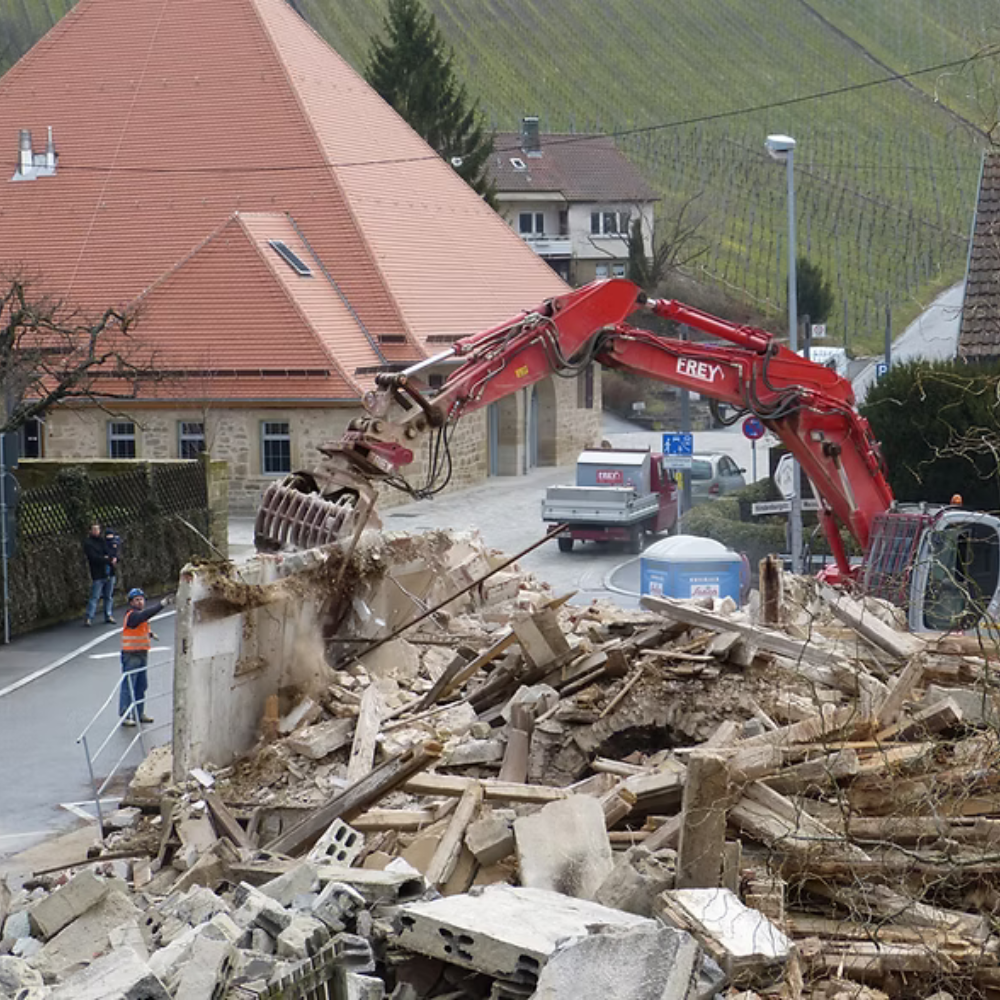
Tearing a structure down sounds like the simple part of a project, and honestly a lot of homeowners treat it that way, just something to get out of the way before the real work starts. It's not that simple, not even close. There's utility disconnection to handle, hazardous material checks depending on the age of the structure, debris hauling that has to be planned before the first swing of anything happens, and a foundation or slab underneath that still has to come out completely, not just the parts you can see from the street. This is why vetting residential demolition contractors carefully matters more than people expect going in. Truth is, a rushed or careless demo doesn't just create a mess, it can leave problems buried in the ground that show up months later once new construction's already underway on top of them.
What Actually Happens Before Anything Gets Torn Down
A responsible crew doesn't just show up with an excavator and start swinging. Utilities have to get disconnected properly first, gas, electric, water, sewer, and that usually means coordinating with the utility companies directly rather than just assuming a line's been capped somewhere. Older structures sometimes need a hazardous materials assessment too, asbestos in older insulation or flooring, lead paint on anything built before the late seventies, and skipping that check isn't just risky, it can be a legal problem depending on the age and history of what's coming down. Permits need to be pulled before demolition starts in most areas, and skipping that step because it feels like unnecessary paperwork tends to cause bigger headaches than the permit itself ever would have.
The Structure Coming Down Is Only Half The Job
Here's what a lot of homeowners don't think about until it's already an issue. Once the visible structure's gone, there's still a foundation or slab sitting underground, and that has to come out completely if anything new is going in that spot. Partial removal, leaving chunks of old foundation buried because it seemed easier at the time, creates real problems for whatever gets built next, uneven bearing surfaces, conflicts with new footings, sometimes drainage issues because old foundation walls redirect water in ways nobody planned for. Basements and crawlspaces need proper backfill once they're cleared out too, not just dirt dumped in and leveled by eye, because settling later can create a depression right where the old structure used to stand.
Debris Doesn't Just Disappear, Someone Has To Deal With It
Demolition generates a serious volume of material, and all of it has to go somewhere real. Concrete and masonry can sometimes get crushed and reused as fill or base material on site, which saves money and hauling costs both. Wood, metal, and other materials need proper sorting and disposal, and a lot of areas have specific requirements about what can go where, especially with older structures that might contain materials requiring special handling. Getting a clear plan for debris before demolition starts, not figuring it out once there's already a pile sitting there, keeps a project from stalling out over logistics nobody thought through in advance.
Why This Work Overlaps With Excavation More Than People Realize
Demolition and excavation aren't really separate projects most of the time, they're two phases of the same job. Once a structure's down and cleared, the site usually needs grading, foundation excavation for whatever's coming next, and sometimes utility trenching that has to account for exactly where the old structure's footprint was. A crew that handles both demolition and excavation avoids the disconnect that happens when one contractor tears down and leaves, and a completely different crew shows up weeks later trying to work off a site they didn't see in its original condition. That gap causes real problems, old footings left in the wrong spot, debris piled exactly where new excavation needs to happen, access routes that worked for demo equipment but don't work for what comes next.
Septic Systems And Demolition, A Connection People Miss
If there's an existing septic system on the property, and the structure coming down is anywhere near it, that system's location has to be respected through the entire demolition process, not just noted and forgotten once the heavy equipment shows up. Driving demolition equipment over a drainfield can damage it in ways that don't show up immediately but affect how the system functions for years afterward. If the plan includes replacing or relocating the septic system as part of a larger rebuild, that needs to be part of the demolition sequencing from the start, not something addressed after the old structure's already gone and the yard's a mess of debris and disturbed soil.
Why Local Experience Matters Here Specifically
Demolition rules, permitting requirements, and disposal regulations shift by jurisdiction more than people expect, and a crew unfamiliar with the specific county's process can end up causing delays that have nothing to do with the actual physical work. An excavating company in Woodstock VA that's handled demolition and excavation together across this region tends to already know the local permitting process, the disposal facilities that'll actually take the materials being generated, and how the local soil behaves once a structure's cleared and the ground's exposed for the first time in decades.
Questions Worth Asking Before Hiring Anyone
Ask specifically how they handle utility disconnection and whether that's coordinated directly with the utility companies or left for the homeowner to sort out separately. Ask about hazardous materials assessment if the structure's older, and get a straight answer, not a vague "we'll handle it if we find anything." Ask how foundation and slab removal is handled, complete removal versus partial, because that distinction matters a lot for whatever's built next. And ask whether demolition and excavation are handled as one continuous project or split between separate contractors, because that answer tells you a lot about how smoothly the transition from teardown to new construction is likely to go.
Bottom Line
The short answer is that demolition is never just about knocking a structure down, it's the first step in preparing a site properly for whatever comes next, and rushing through it or hiring the cheapest option without checking their process tends to create expensive problems buried right where nobody can see them. Careful residential demolition contractors handle utility disconnection, hazardous material checks, full foundation removal, and debris logistics as part of one coordinated plan, not an afterthought. Whether that's a straightforward teardown or a more involved project requiring an excavating company in Woodstock VA to handle demolition and excavation together as one connected job, the pattern holds. Ask the hard questions upfront, get the plan in writing, and make sure whoever's tearing the old structure down is thinking just as much about what's going in that spot next.

 English
 Arabic
 French
 Spanish
 Portuguese
 Deutsch
 Turkish
 Dutch
Dutch
 Italiano
 Russian
 Portuguese (Brazil)
 Greek
Greek
