

Puzzle Games Developer: How We Build Brain-Teasing Games You Love
Introduction
If you've ever gotten stuck on a level for twenty minutes, cursed under your breath, then finally solved it and felt like a genius — that's the whole job of a puzzle games developer in one sentence. It sounds simple from the outside: come up with a clever idea, code it, ship it.
In reality, it's closer to running a small laboratory where every experiment is a human brain trying to outsmart a set of rules you wrote. We're not just building levels. We're building little moments of frustration that turn into little moments of triumph, and getting that balance right takes far more trial and error than most players ever see.
Where Every Puzzle Begins
Every puzzle we ship starts as a rough scribble, not a spreadsheet. Someone on the team notices a weird interaction — two mechanics that shouldn't work together but somehow create an interesting problem — and that's the seed. We don't start with art or story. We start with a single question: is this actually fun to think about?
A lot of ideas die right here, and that's fine. Cutting a bad idea in week one is cheaper than cutting it in month six. The ones that survive usually share one trait — they're easy to explain in a sentence but hard to master, similar to how chess has simple rules but nearly infinite depth.
Designing the Core Mechanic
Once an idea survives that first gut check, we isolate the core mechanic and strip everything else away. No art, no music, sometimes not even color — just shapes moving on a screen. This is where game design theory actually earns its keep.
We're borrowing heavily from principles around cognitive load and pattern recognition, because a puzzle that's satisfying usually asks the brain to notice a pattern just slightly faster than feels comfortable. Too slow and it's boring. Too fast and it's chaos. We spend weeks here, honestly, just poking at the same fifteen seconds of gameplay until it clicks.
Playtesting: The Reality Check
Here's the part nobody warns you about — you will be wrong about your own puzzle. Constantly. We hand early builds to people who've never seen the game, sit quietly, and watch their faces. If someone solves it in ten seconds without thinking, it's too easy. If they stare blankly and give up, we've failed to teach the rule properly.
What surprises people most is how much of our week goes into watching others play rather than building new content. Tools like structured usability testing sessions catch problems that a team who's been staring at the puzzle for a month simply can't see anymore — you get too close to your own logic.
Balancing Difficulty Without Frustration
Difficulty curves are where good puzzle games either earn loyalty or lose players for good. We map out difficulty almost like a heartbeat — tension, release, tension, release — rather than a straight climb. A run of easy levels after a brutal one gives players room to breathe and feel smart again, which keeps them coming back.
We also lean on subtle scaffolding: a hint system that nudges without spoiling, or a level layout that quietly teaches a skill you'll need three levels later without ever announcing it. Players rarely notice good scaffolding. They only notice when it's missing.
Sound, Visuals, and the Feel of a Puzzle
A puzzle can be mechanically perfect and still feel lifeless without the right sensory feedback. That satisfying click when a piece snaps into place, or the little flourish of color when a row clears — these aren't decoration, they're confirmation.
Your brain wants proof that its guess was correct, and good sound design delivers that proof half a second before your conscious mind even processes it. We test audio and animation timing almost as rigorously as the puzzle logic itself, because a delayed sound effect can make a correct answer feel wrong.
Learning From Word Games and Beyond
Some of our best lessons come from outside our own genre entirely. Word-based puzzles, for instance, use a completely different kind of challenge — recall and vocabulary instead of spatial logic — but the underlying hook is identical: give the player a limited toolset and reward them for finding the one clever answer hiding inside it.
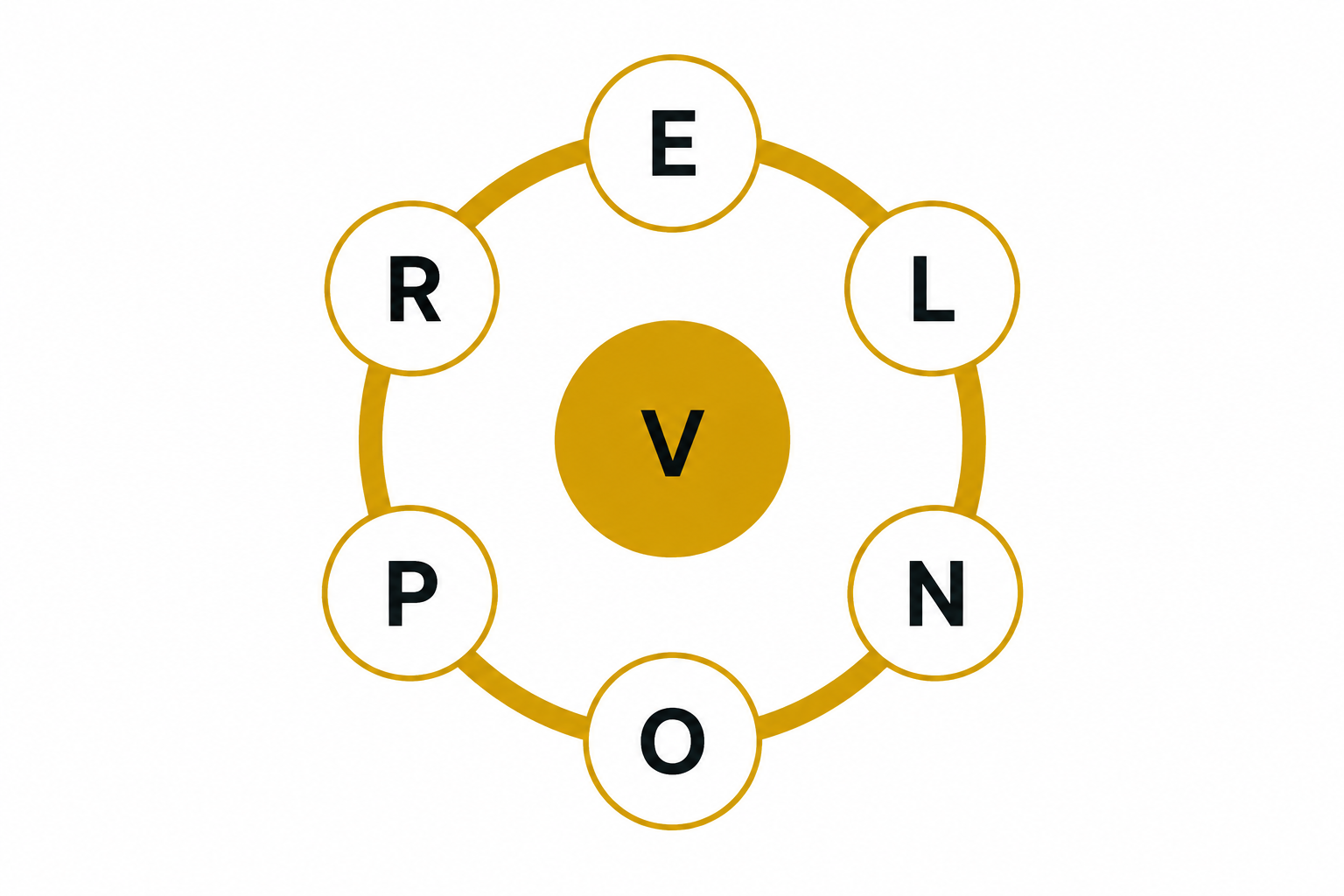
A pangram, a sentence or word using every letter of the alphabet, is a great example of a puzzle concept that rewards exactly this kind of lateral thinking, and sites like todayspellingbeeanswers.com show how much daily engagement a well-designed word challenge can generate on its own.
FAQs
How long does it usually take to design one puzzle level?
Anywhere from a single afternoon to several weeks, depending on whether it's introducing a brand-new mechanic or reusing an existing one with a fresh twist.
Why do some puzzle games feel more "addictive" than others?
It usually comes down to pacing and feedback — how quickly the game rewards small wins and how well it manages the gap between "too easy" and "too hard."
Do developers actually enjoy their own puzzles after testing them hundreds of times?
Honestly, not always. By the time a level ships, we've often seen it so many times the magic wears off for us personally — which is exactly why outside playtesters matter so much.
What's the biggest mistake new puzzle designers make?
Adding too many mechanics at once instead of trusting one simple idea to carry the whole experience.
Conclusion
Building a puzzle worth solving is less about clever coding and more about understanding how people think, get stuck, and eventually get unstuck. Every mechanic, sound cue, and difficulty curve exists to shape that exact emotional arc — confusion, effort, and finally that small spark of satisfaction.
It's messy work, full of scrapped ideas and awkward playtests, but that's precisely what makes the final product feel earned rather than handed to the player. That struggle-to-clarity moment is the real product we're selling, not just the puzzle itself.

 English
 Arabic
 French
 Spanish
 Portuguese
 Deutsch
 Turkish
 Dutch
Dutch
 Italiano
 Russian
 Portuguese (Brazil)
 Greek
Greek