


Choosing Equipment for Lifting and Elevated Work in Different Site Conditions
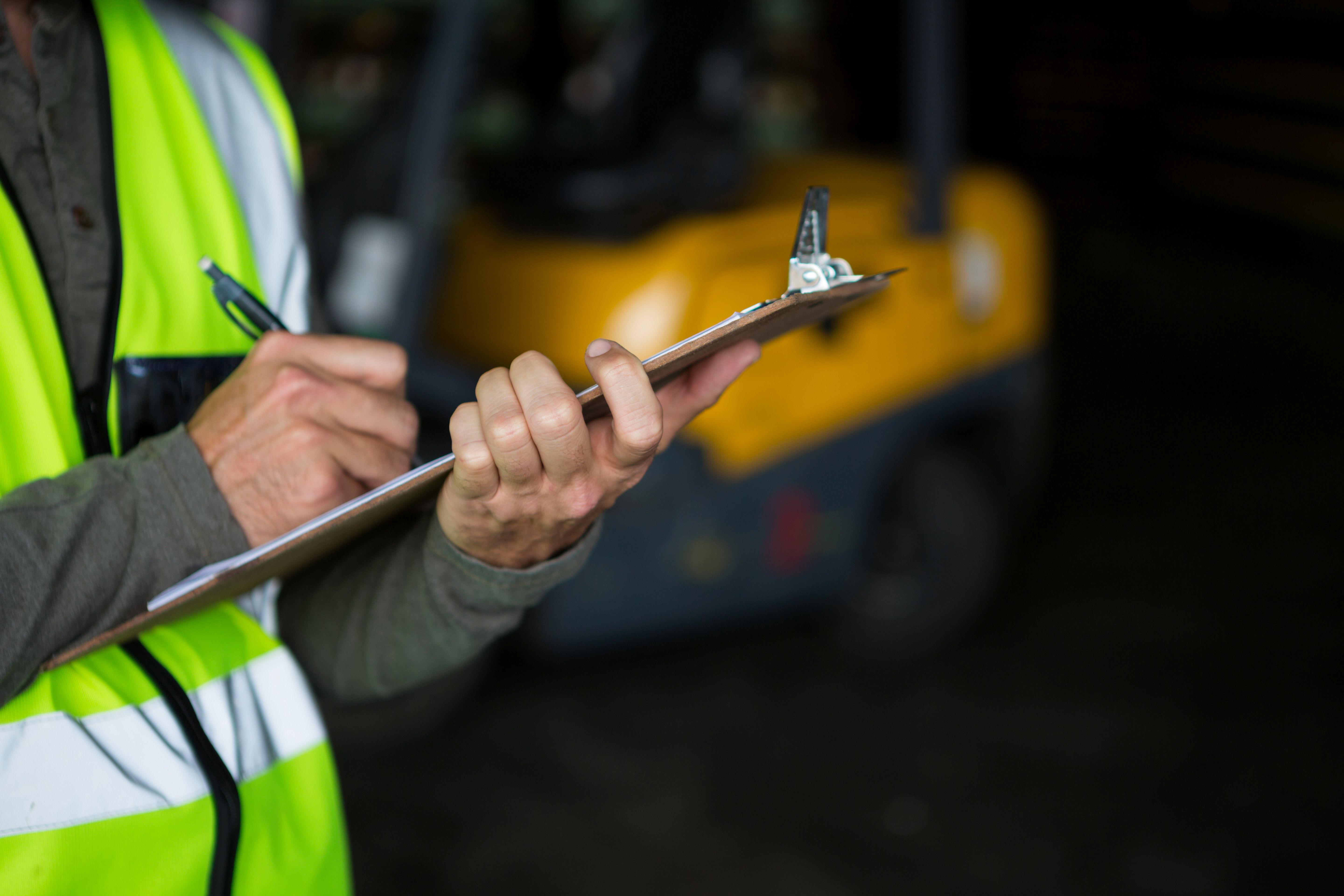
Construction sites rarely offer the same working conditions from one project to another. A contractor may need to lift structural materials on a compact urban site, move heavy components across uneven ground, or provide workers with safe access to elevated areas. Selecting the right equipment for these situations requires more than simply looking at lifting capacity. Site access, ground conditions, working height, load characteristics, project duration, transportation, and the type of work all influence equipment selection. Companies considering Crane Rental in Saudi Arabia and Man Lift Rental in Saudi Arabia should evaluate these factors carefully before equipment is brought to the site.
Start With the Type of Work
The first step is to identify exactly what the equipment needs to accomplish. Cranes are generally selected for lifting and positioning materials or components, while man lifts are designed to provide personnel access to elevated work areas.
For example, a project involving steel structures, heavy machinery, concrete elements, or other large components may require a crane with suitable lifting capacity and reach. On the other hand, electrical installation, building maintenance, painting, inspection, and finishing work may require equipment that allows workers to reach elevated areas while maintaining a suitable working position.
Understanding the task prevents contractors from selecting equipment based only on maximum capacity or working height.
Consider Ground and Soil Conditions
Ground conditions can significantly affect equipment selection. A machine operating on firm, prepared ground may have different requirements from one working on loose soil, compacted fill, gravel, or uneven terrain.
For lifting operations on construction sites with uneven surfaces, a rough terrain mobile crane may be considered where its operating characteristics match the site requirements. Before mobilization, contractors should assess ground stability, slopes, access routes, and areas where the equipment will be positioned.
Excavation work requires similar attention. If a project involves trenching, foundation preparation, or large-scale earth removal, an excavator may be needed alongside lifting equipment. The choice of excavator depends on factors such as excavation depth, material being removed, available working space, and site accessibility. An excavator rental should therefore be planned around the actual excavation requirements rather than simply selecting the largest available machine.
Evaluate Site Accessibility
Access is another important consideration when choosing lifting equipment. Construction sites may have narrow entrances, restricted internal roads, overhead structures, existing buildings, or limited space for equipment positioning.
Before selecting equipment, project managers should determine how the machine will enter the site, where it will be positioned, and whether there is enough room for safe operation. Transportation requirements should also be considered. A machine that performs well once positioned on site may still be impractical if transporting it to the work area creates logistical difficulties.
For projects in developed areas or confined construction zones, equipment dimensions and maneuverability can be just as important as lifting capacity.
Match Capacity With the Actual Load
Equipment capacity should be assessed according to the complete lifting requirement. Contractors should consider the weight of the load, lifting radius, required height, positioning requirements, and site conditions.
The heaviest anticipated load should not be the only consideration. As the distance between the crane and the load increases, the operating requirements can change. Project teams should therefore review the intended lifting configuration and operating conditions before equipment selection.
The same principle applies to elevated access equipment. A man lift should be selected according to the required working height, personnel requirements, tools or materials that need to be carried, and the conditions under which the equipment will operate.
Consider Working Height and Elevated Access
Elevated work can involve significantly different requirements depending on the project. A worker carrying out façade maintenance has different needs from a team installing mechanical or electrical systems at height.
A man lift can provide access for tasks where workers need to reach elevated areas while remaining on a dedicated platform. Contractors should consider the required working height, horizontal reach, platform requirements, site surface, and access restrictions before choosing a suitable machine.
The objective should be to select equipment that provides the necessary access without creating unnecessary operational limitations.
Plan for Project Duration
The length of a project can also influence the rental decision. Short-term lifting requirements may arise during a specific installation phase, while longer projects may require equipment for several stages of construction.
Project managers should establish when the equipment will be required, how frequently it will be used, and whether multiple machines will be needed simultaneously. Coordinating equipment schedules can help reduce unnecessary downtime and avoid situations where machinery arrives before the site is ready.
For projects involving several activities, equipment requirements should be reviewed as the project progresses. Excavation, material handling, structural installation, and finishing work may each require different machines at different stages.
Think About Transportation and Mobilization
Heavy equipment needs proper planning before it reaches the worksite. Transportation routes, site entrances, unloading areas, and internal movement should be reviewed in advance.
For crane operations, the project team should identify an appropriate setup location and ensure that the area can accommodate the equipment and required working space. Similar planning is useful for man lifts and excavation equipment, particularly on sites where access is restricted.
A well-planned mobilization process helps prevent delays caused by unsuitable access or inadequate preparation.
Consider Operating Conditions
Saudi Arabian construction projects can involve demanding environmental conditions, including high temperatures, dust, and challenging outdoor work environments. Equipment selection and operational planning should take the expected site conditions into account.
Operators and project managers should follow the equipment manufacturer's operating requirements and applicable site safety procedures. Regular inspections, appropriate setup, and proper operator practices remain important regardless of the type of lifting equipment being used.
Other construction machinery may also work alongside lifting equipment. For example, a dump truck may support material transportation during earthworks, while excavators handle digging and loading activities. Coordinating these machines with lifting operations can help maintain an organized workflow.
Choose Equipment Based on the Complete Site Picture
There is rarely a single piece of equipment that suits every construction site. The right choice depends on how the machine will be used, the physical characteristics of the site, the load or personnel requirements, and the project's schedule.
For contractors evaluating Crane Rental in Saudi Arabia, factors such as load capacity, lifting radius, ground conditions, access, transportation, and operating environment should be assessed before finalizing equipment. Similarly, Man Lift Rental in Saudi Arabia should be considered based on working height, access requirements, site conditions, and the nature of elevated work.
Makcon can be considered as part of the equipment planning process when contractors require rental support for construction and project activities. Ultimately, careful equipment selection should begin with the actual site requirements rather than the machine itself. By assessing lifting needs, excavation requirements, accessibility, soil conditions, project duration, transportation, and operating conditions together, project teams can make more practical equipment decisions and keep construction activities better coordinated.

 English
 Arabic
 French
 Spanish
 Deutsch
 Turkish
 Dutch
Dutch
 Italiano
 Russian
 Romaian
 Portuguese (Brazil)
 Greek
Greek
