


Best Pilot Training in Mumbai: Building a Strong Foundation for Your Aviation Career
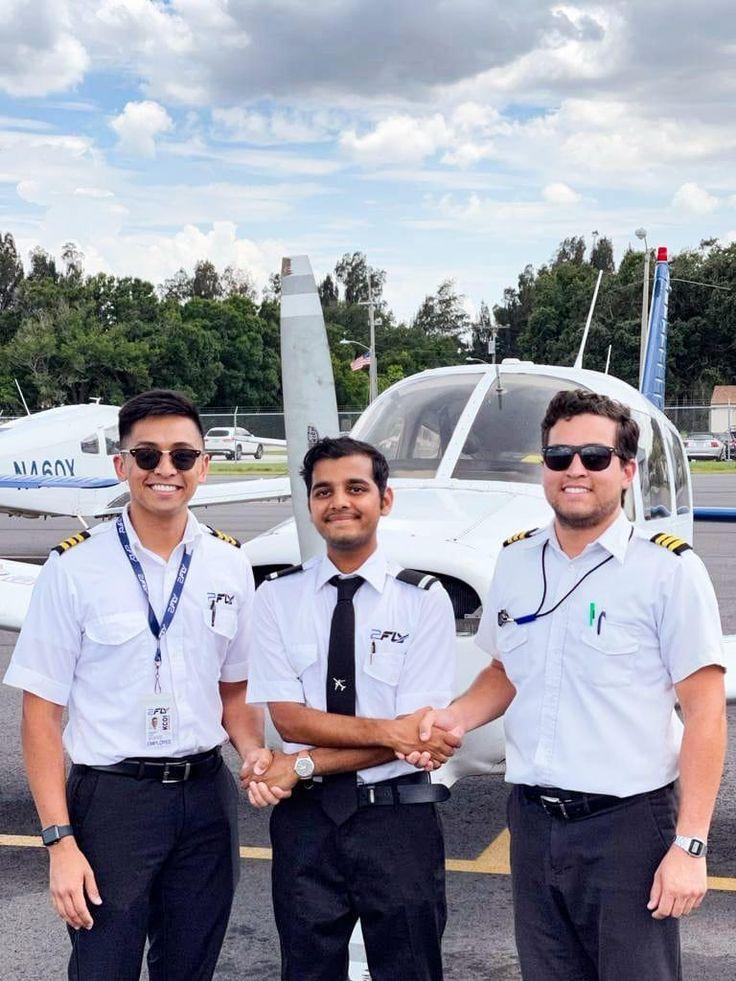
Becoming a pilot is a dream that attracts students who love aviation, technology, travel, and the responsibility that comes with flying an aircraft. But behind the excitement of sitting in a cockpit is a journey that requires discipline, technical knowledge, practical training, and the right guidance. For students searching for the best pilot training in Mumbai, choosing the right academy can make the learning journey more structured and manageable.
Mumbai has long been an important centre for education, business, and aviation in India. With its connection to the aviation industry and access to professional learning opportunities, the city and surrounding Mumbai Metropolitan Region attract many aspiring pilots. Among the institutions offering aviation-focused education, AirStar International Academy provides structured pilot ground training, CPL preparation, mentoring, and career guidance for students who want to build a professional aviation career.
Understanding the Pilot Training Journey
Pilot training is not simply about learning how to control an aircraft. A professional pilot needs to understand navigation, weather, aircraft systems, aviation regulations, communication, safety procedures, and decision-making.
For students pursuing a Commercial Pilot Licence (CPL), both theoretical education and practical flying experience are important. AirStar's CPL program combines DGCA-focused ground training with guided flying pathways and professional mentorship. Its published CPL information lists areas such as navigation, meteorology, air regulations, technical subjects, flight planning, and aviation safety.
This is why students should look beyond advertisements or promises when selecting a pilot training academy. A good training environment should help them understand what the profession actually demands.
Why Choosing the Right Pilot Training Academy Matters
The early stages of aviation education can feel overwhelming. Students encounter unfamiliar terminology, complex subjects, examinations, medical requirements, documentation, and flying schedules. Having experienced mentors around can make the process easier to understand.
A well-structured academy can help students develop consistent study habits and approach aviation subjects step by step. Instead of trying to learn everything at once, students can gradually build their understanding of important areas of aviation.
AirStar International Academy focuses on structured aviation education and describes its training approach as industry-aligned and career-focused. The academy also highlights experienced aviation mentors, smaller batches, practical exposure, and personalized attention.
For a student looking for the best pilot training in Mumbai, these factors are worth considering because pilot training is a long-term educational investment rather than a short course.
Building a Strong DGCA Ground Training Foundation
Ground school is one of the most important parts of professional pilot preparation. Before students can confidently apply their theoretical knowledge during flight training, they need to understand the principles behind aviation operations.
AirStar's DGCA ground classes cover subjects including Air Navigation, Meteorology, Air Regulations, RTR, Technical General, and Technical Specific, depending on the student's training pathway. The academy currently lists online and offline learning options and describes its ground-training programs as lasting approximately four to six months depending on the pathway.
Air Navigation
Navigation teaches students how pilots determine position, plan routes, calculate time and distance, understand charts, and make appropriate flight-planning decisions.
It is a subject where conceptual understanding matters. A student should not simply memorise formulas but should understand how navigation concepts apply to real-world flying.
Aviation Meteorology
Weather can have a major influence on flight operations. Students learn about winds, clouds, visibility, atmospheric conditions, storms, and other weather-related factors.
Understanding meteorology helps future pilots appreciate how weather information contributes to flight planning and safety.
Air Regulations
Aviation operates within a detailed regulatory framework. Students studying Air Regulations become familiar with important rules, procedures, responsibilities, and licensing-related requirements.
The Directorate General of Civil Aviation (DGCA) provides the regulatory framework for India's civil aviation sector, making regulatory knowledge an essential part of professional pilot preparation.
Technical Subjects
Technical General and Technical Specific help students understand aircraft systems, engines, instruments, aerodynamics, and the characteristics of particular aircraft.
This knowledge gives aspiring pilots a stronger foundation before they move deeper into practical flying.
Eligibility and Preparation for Aspiring Pilots
Students considering professional pilot training should understand the basic eligibility requirements before enrolling.
AirStar's CPL information states that students should have passed 12th standard with Physics and Mathematics from a recognized or equivalent board, be at least 17 years old at enrolment, and hold a valid DGCA Class II medical assessment.
DGCA's Pariksha FAQ also states that applicants other than PPL candidates generally need 10+2 with Physics and Mathematics from a recognized board or university, or an equivalent qualification, for flight crew examination registration.
Because aviation regulations and requirements can change, students should always verify current eligibility requirements directly through DGCA and their chosen training organization before making a final decision.
Practical Flying Is Just as Important as Theory
Classroom education is only one part of becoming a professional pilot. Students eventually need practical flying experience where they can apply what they have learned.
During practical training, aspiring pilots gradually become familiar with aircraft handling, flight procedures, navigation, communication, take-offs, landings, emergency procedures, and other operational skills.
AirStar's CPL program describes a pathway that combines DGCA-oriented academics with practical flight training and lists up to 200 flying hours as part of its program information.
The actual duration of training can vary depending on several factors, including student progress, weather, aircraft availability, scheduling, examination timelines, and applicable regulatory requirements.
Mentorship Can Make the Learning Experience Better
Every student approaches pilot training differently. Some may quickly understand technical subjects, while others may need additional explanations or practice.
That is where mentorship can become valuable.
Experienced instructors can help students identify areas that require improvement, understand difficult concepts, prepare for examinations, and develop professional habits. Regular interaction also gives students an opportunity to ask questions rather than allowing small doubts to become larger problems later.
AirStar emphasizes experienced aviation mentors and student-centred learning as part of its training approach. Its CPL program also mentions academic support, assessments, mentoring, and career guidance.
For someone researching the best pilot training in Mumbai, the quality of mentorship is therefore an important factor to investigate.
Online and Offline Learning Options
Modern students have different schedules and learning preferences. Some prefer classroom interaction, while others appreciate the convenience of online sessions.
AirStar's DGCA ground-training program provides both online and offline modes.
Offline learning can provide direct interaction with instructors and fellow students, while online learning can offer flexibility for students managing their education around other commitments.
The important thing is that whichever format a student selects, the learning process should remain organized and consistent.
Guidance Beyond the Classroom
Pilot training involves more than attending classes and taking examinations. Students may also need help understanding documentation, medical processes, examination planning, and other administrative steps.
AirStar states that it assists students with areas such as DGCA medical appointments, documentation, Computer Number registration, exam planning, and DGCA exam preparation.
Having guidance through these steps can help students understand what needs to be completed and when. However, students should still verify official requirements and submit applications according to current DGCA procedures.
Developing the Right Pilot Mindset
Technical knowledge is essential, but aviation also demands professionalism and responsibility.
A pilot needs to develop qualities such as:
-
Discipline
-
Situational awareness
-
Communication skills
-
Decision-making ability
-
Attention to detail
-
Time management
-
Safety awareness
-
Willingness to keep learning
These qualities do not develop overnight. They grow through consistent study, practical training, instructor feedback, and exposure to aviation procedures.
A strong pilot training environment should therefore encourage students to think beyond examinations and understand the professional responsibilities associated with flying.
Career Possibilities After Pilot Training
Completing pilot training can open the door to several aviation career pathways, depending on qualifications, experience, ratings, and available opportunities.
Potential areas include:
-
Airline operations
-
Charter aviation
-
Corporate aviation
-
Cargo operations
-
Flight instruction
-
General aviation
-
Other professional flying opportunities
Students should remember that obtaining a licence is an important milestone, but building a successful aviation career can involve additional training, ratings, assessments, interviews, and experience.
Career planning should therefore begin early rather than being treated as something to consider only after completing flight training.
What Should Students Look for When Choosing an Academy?
When comparing pilot training institutes in Mumbai, students and parents can consider several practical questions.
Does the academy provide structured ground training? Are instructors experienced? Is there adequate student support? Are the course details clearly explained? Does the academy provide guidance regarding DGCA procedures? What flying pathway is available? How are practical training arrangements handled?
It is also useful to understand the complete fee structure, expected timeline, examination process, medical requirements, flying arrangements, and any additional costs before enrolling.
A transparent conversation with the academy can help students make an informed decision based on their individual circumstances.
Why AirStar International Academy Can Be Considered
For students researching the best pilot training in Mumbai, AirStar International Academy offers a combination of DGCA-focused ground preparation, CPL-oriented education, aviation mentoring, and career guidance.
The academy describes its CPL training as a structured program for students pursuing professional flying careers, with theoretical preparation, practical training pathways, experienced mentors, and career-oriented support.
Its broader aviation offering also includes Pilot Ground School, Airline Preparation, Cabin Crew Training, and other aviation-related programs.
The right choice ultimately depends on the student's goals, eligibility, preferred learning style, budget, and practical training requirements. Visiting the academy, speaking with instructors, reviewing the curriculum, and understanding the complete training pathway can all help before making an enrollment decision.
Start Your Aviation Journey with the Right Preparation
Becoming a professional pilot requires commitment from the very beginning. The journey combines classroom learning, examinations, medical requirements, practical flying, professional discipline, and continuous development.
For students searching for the best pilot training in Mumbai, the focus should not be limited to finding a popular name. The more important question is whether the training environment provides the knowledge, guidance, structure, and practical pathway needed for the student's aviation goals.
AirStar International Academy aims to provide aspiring pilots with a structured environment where they can build their aviation knowledge and prepare for the next stages of their professional journey.
If flying an aircraft is your long-term ambition, the first step is to understand the pathway clearly, check the current DGCA requirements, and choose training that matches your goals. With the right preparation, consistent effort, and professional guidance, today's aviation student can begin working toward a future in the cockpit.
 Arabic
 English
 French
 Spanish
 Portuguese
 Deutsch
 Turkish
 Dutch
Dutch
 Italiano
 Russian
 Romaian
 Portuguese (Brazil)
 Greek
Greek
