


R501 Reference Electrode: Uses, Benefits and Guide
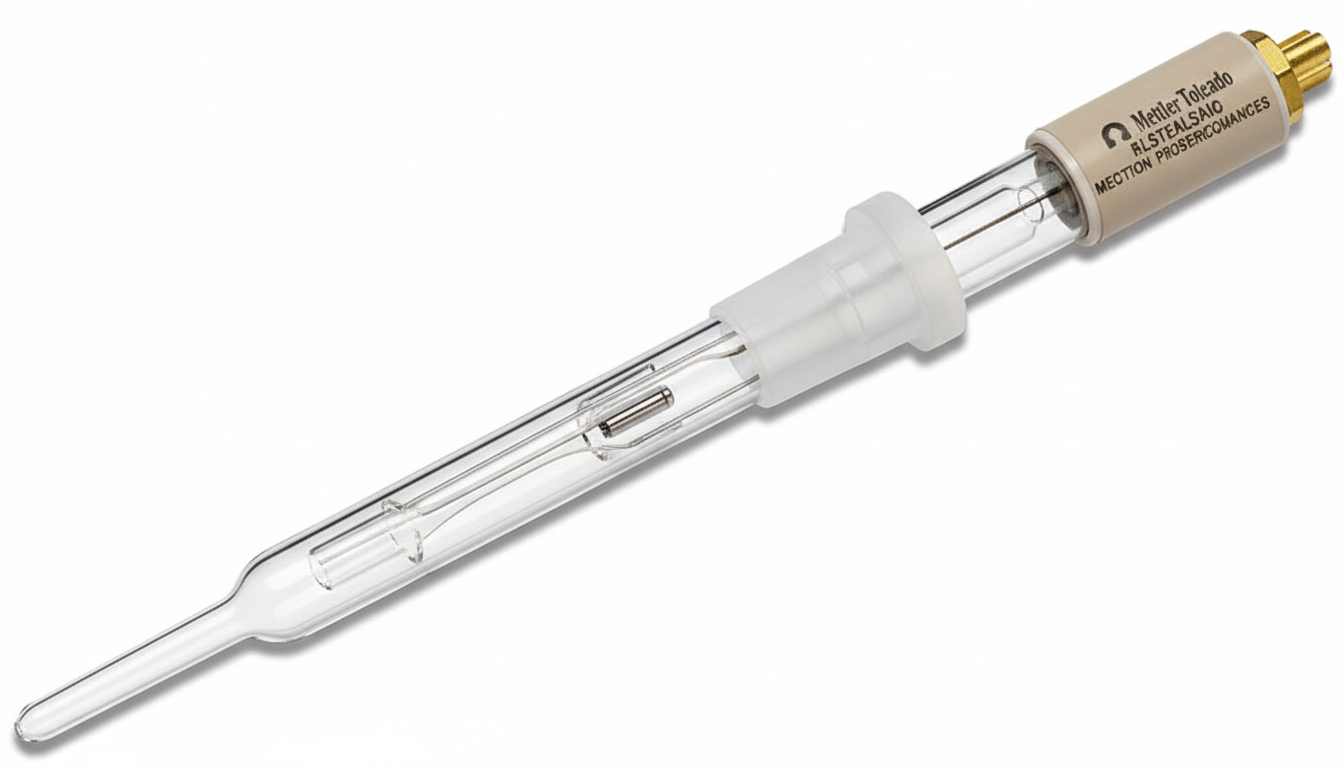
The R501 reference electrode is an important electrochemical component designed to provide a stable reference potential during laboratory and research measurements. Reference electrodes are used to create a dependable potential against which the working electrode can be measured. The R501 is commonly associated with the mercury and mercury oxide reference system and is particularly suitable for alkaline electrochemical environments. Its design makes it useful for applications involving battery research, corrosion studies, materials testing, and other electrochemical investigations where stable potential measurements are required. Understanding the purpose, working principle, applications, maintenance, and limitations of the R501 reference electrode can help users select and handle this type of electrode more effectively.
What Is an R501 Reference Electrode?
An R501 reference electrode is a mercury and mercury oxide reference electrode used to provide a relatively stable potential during electrochemical measurements. A reference electrode is different from a working electrode because its main purpose is to establish a consistent comparison point rather than carry out the primary reaction being studied. The R501 uses a mercury and mercury oxide system with an alkaline electrolyte, making it especially relevant to experiments performed in alkaline media. The exact construction and specifications can vary between manufacturers, so users should always check the documentation for the particular R501 electrode being used.
How Does the R501 Reference Electrode Work?
The R501 reference electrode works through a stable electrochemical equilibrium involving mercury, mercury oxide, and hydroxide ions in an alkaline electrolyte. During an electrochemical measurement, the reference electrode provides a potential that remains comparatively stable while the working electrode responds to the chemical or electrical process being investigated. This arrangement allows the instrument to determine changes at the working electrode relative to the reference potential. The reference electrode therefore acts as a measurement baseline, helping researchers obtain meaningful and comparable electrochemical data.
Why Is the R501 Reference Electrode Important?
The R501 reference electrode is important because accurate electrochemical testing requires a dependable reference point. If the reference potential changes significantly during an experiment, the measured potential at the working electrode may no longer represent the actual behavior of the system being studied. A suitable reference electrode helps reduce this problem by maintaining a predictable potential under appropriate conditions. This is particularly valuable in research where small potential changes can provide important information about electrode reactions, corrosion processes, catalysts, energy materials, or other electrochemical behavior.
Main Characteristics of the R501 Reference Electrode
The R501 is generally described as a mercury and mercury oxide reference electrode containing an alkaline potassium hydroxide filling solution. Product information for commonly available R501 designs describes a single-junction construction intended for alkaline solutions, with the reference potential defined relative to the standard hydrogen electrode under specified conditions. Its physical design allows it to be incorporated into conventional electrochemical measurement systems. The exact characteristics, electrolyte concentration, junction design, dimensions, and operating limitations should be confirmed from the technical documentation supplied with the specific electrode.
Why Is the R501 Suitable for Alkaline Media?
One of the main reasons the R501 reference electrode is used in electrochemical research is its compatibility with alkaline environments. Mercury oxide reference systems are designed around an alkaline electrolyte and can therefore be useful when experiments are performed in basic solutions. This is particularly relevant to research involving alkaline batteries, electrolysis, corrosion, catalysts, and other systems where hydroxide-containing electrolytes are present. Choosing a reference electrode that matches the chemical environment is important because an unsuitable reference system can become unstable or introduce unwanted chemical effects into the measurement.
R501 Reference Electrode in Battery Research
Battery research often requires precise potential measurements to understand the behavior of individual electrode materials. A reference electrode can be incorporated into an electrochemical cell so that researchers can monitor the potential of a specific working electrode independently from the overall cell response. The R501 can be useful in alkaline battery research when its construction and electrolyte are compatible with the test environment. It may support investigations involving electrode reactions, charge and discharge behavior, catalyst activity, and other electrochemical properties associated with energy storage systems.
R501 Reference Electrode for Corrosion Studies
Corrosion research depends heavily on electrochemical measurements because corrosion involves oxidation and reduction reactions at material surfaces. A stable reference electrode allows researchers to monitor the potential of a metal or other material relative to a known electrochemical baseline. The R501 can be considered for corrosion experiments conducted in suitable alkaline environments. Its usefulness depends on the solution chemistry, material under investigation, temperature, cell configuration, and other experimental factors. Proper electrode positioning and maintenance are also important for obtaining dependable corrosion measurements.
R501 Reference Electrode in Electrochemical Testing
Electrochemical testing can involve techniques that measure current, potential, impedance, or changes in electrode behavior over time. In these systems, the reference electrode provides the stable potential needed to interpret the response of the working electrode. The R501 can therefore be incorporated into appropriate three-electrode arrangements when the electrolyte and experimental conditions are compatible with its design. Consistent reference conditions can help researchers compare measurements between experiments and better understand changes taking place at the working electrode.
R501 Reference Electrode and Three-Electrode Systems
A three-electrode electrochemical system commonly contains a working electrode, a counter electrode, and a reference electrode. The working electrode is the surface where the process of interest occurs, while the counter electrode completes the electrical circuit. The reference electrode provides the stable potential against which the working electrode is measured. In a suitable alkaline system, an R501 can serve as this reference component. Keeping the reference electrode positioned appropriately and maintaining good electrical and ionic contact can help reduce measurement problems during testing.
Choosing an R501 Reference Electrode
Selecting an R501 reference electrode should begin with the chemical and electrochemical conditions of the intended application. Users should consider the composition of the electrolyte, the required potential range, temperature, electrode configuration, junction design, and compatibility with the measurement instrument. It is also important to determine whether a single-junction design is appropriate for the solution being tested. An electrode that performs well in one alkaline environment may not be appropriate for every solution, so product specifications and application requirements should be reviewed before use.
Chemical Compatibility of the R501
Chemical compatibility is essential when using a reference electrode because the electrode junction comes into contact with the test solution. The R501 is intended for alkaline environments, but the exact suitability depends on the concentration and composition of the solution and the construction of the particular model. Chemical interactions can alter electrode performance, contaminate the sample, or damage components if unsuitable conditions are used. Checking compatibility before an experiment helps protect both the reference electrode and the quality of the electrochemical measurement.
Proper Positioning of the R501 Reference Electrode
The position of the reference electrode can affect the quality of electrochemical measurements. It should generally be placed so that the reference potential can be measured effectively at the working electrode without unnecessarily interfering with the electrochemical reaction. In some experimental setups, a suitable salt bridge or specialized positioning arrangement may be used to reduce unwanted potential differences caused by solution resistance. Careful positioning can help improve measurement consistency and reduce errors associated with the physical arrangement of the electrochemical cell.
Maintaining the R501 Reference Electrode
Proper maintenance is important for preserving the performance of an R501 reference electrode. Users should keep the electrode clean, inspect the reference junction, avoid unnecessary physical stress, and follow the manufacturer's instructions for storage and preparation. Contamination around the junction can interfere with ionic contact and may cause unstable readings. Regular inspection can also help identify damage or changes in the electrode before they affect an important experiment. Maintenance procedures should always match the materials and construction of the particular R501 model.
Cleaning the R501 Reference Electrode
Cleaning should be performed carefully because aggressive chemicals or mechanical treatment may damage sensitive electrode components. If the reference junction becomes contaminated, the electrode may show unstable or unusual readings because the ionic connection between the internal reference system and sample solution has been affected. The appropriate cleaning method depends on the type of contamination and the electrode construction. Users should therefore follow the manufacturer's cleaning recommendations and avoid applying an unapproved procedure that could change the electrode surface or internal reference system.
Storing the R501 Reference Electrode
Storage conditions can have a significant effect on the condition of a reference electrode. The R501 should be stored according to the instructions provided for the specific product because mercury oxide reference electrodes may require appropriate hydration and electrolyte conditions to maintain their performance. Allowing a junction to dry or storing an electrode in an unsuitable solution may affect its response. Proper storage protects the reference system and helps ensure that the electrode is ready for reliable use when needed.
Common R501 Reference Electrode Problems
Common problems with reference electrodes can include unstable potential, slow response, contamination, blocked junctions, leakage, poor electrical contact, and deterioration caused by inappropriate storage or chemical exposure. When an electrochemical measurement produces unexpected results, the reference electrode should be considered as one possible source of the problem. Checking the electrode condition, connection, electrolyte, junction, and storage history can help identify potential causes. It is also important to distinguish reference electrode problems from issues caused by the working electrode, counter electrode, instrument, or sample.
Factors That Affect R501 Performance
Several factors can influence the performance of an R501 reference electrode, including electrolyte composition, temperature, contamination, junction condition, physical positioning, and storage. Temperature changes can influence electrochemical potentials, while differences between the reference electrolyte and sample solution can contribute to junction-related effects. Prolonged exposure to unsuitable chemicals can also damage the electrode. Controlling these factors as much as practical can help researchers achieve more consistent measurements and improve the reliability of their experimental results.
Benefits of Using the R501 Reference Electrode
The R501 reference electrode can offer useful advantages when used in a suitable alkaline electrochemical environment. Its mercury and mercury oxide reference system provides a defined potential that can serve as a stable comparison point for electrochemical measurements. Its compatibility with alkaline solutions makes it relevant to research involving batteries, corrosion, electrolysis, catalysts, and related applications. Like any reference electrode, however, its benefits depend on correct selection, appropriate handling, proper maintenance, and use within the conditions for which the electrode is designed.
Safety Considerations for the R501 Reference Electrode
Safety is especially important when working with mercury-containing reference electrodes because mercury and its compounds require careful handling. Users should follow appropriate laboratory safety procedures, avoid damaging the electrode body, and prevent unnecessary exposure to its internal materials. Chemical solutions used with the electrode may also be corrosive or otherwise hazardous, depending on the experiment. Proper protective equipment, chemical handling procedures, waste management, and laboratory controls should be used according to the applicable safety requirements. The electrode should never be opened or modified unless the manufacturer's instructions specifically permit such handling.
R501 Reference Electrode and Measurement Accuracy
The accuracy of an electrochemical measurement depends on the entire experimental setup, but the reference electrode has a particularly important role because it establishes the potential used for comparison. A reference electrode with an unstable potential can introduce errors even when the working electrode and instrument are functioning properly. Using a suitable R501 in a compatible alkaline environment, maintaining its junction, controlling experimental conditions, and following proper measurement procedures can help improve data quality. Researchers should also report the reference system used when documenting electrochemical results so that measurements can be interpreted correctly.
Frequently Asked Questions About R501 Reference Electrode
What is an R501 reference electrode used for?
The R501 reference electrode is used to provide a stable reference potential during electrochemical measurements. It is particularly associated with alkaline electrochemical systems and can be used in suitable research involving batteries, corrosion, materials, catalysts, and related applications.
What type of reference electrode is the R501?
The R501 is generally a mercury and mercury oxide reference electrode. Its internal reference system operates with an alkaline electrolyte, commonly potassium hydroxide, making the design suitable for appropriate alkaline measurement environments.
Is the R501 suitable for alkaline solutions?
Yes, the R501 is designed for alkaline electrochemical environments. However, the suitability of a particular model depends on the concentration, composition, temperature, and other conditions of the test solution.
Can the R501 be used for battery research?
The R501 can be useful in battery research when the battery chemistry and electrolyte are compatible with its mercury oxide reference system. It can provide a reference potential for investigating the electrochemical behavior of individual electrode materials.
Why is the reference electrode important in electrochemical testing?
The reference electrode provides a stable comparison potential that allows the potential of the working electrode to be measured. Without a suitable reference, it can be difficult to determine whether an observed potential change comes from the working electrode or from instability within the measurement system.
How should the R501 reference electrode be stored?
The R501 should be stored according to the manufacturer's instructions for the specific model. Proper storage helps protect the reference junction and internal electrolyte and can reduce the risk of performance problems caused by drying, contamination, or unsuitable storage conditions.
What can cause an R501 reference electrode to give unstable readings?
Unstable readings can be associated with contamination, a blocked junction, unsuitable storage, chemical incompatibility, temperature changes, poor electrical connections, or deterioration of the reference system. Checking the entire electrochemical setup is important when troubleshooting unexpected measurements.
Is the R501 suitable for acidic solutions?
The R501 mercury oxide system is intended for alkaline environments rather than acidic conditions. Users should select a reference electrode specifically suited to the chemistry of their test solution instead of using the R501 outside its intended environment.
What should be checked before using an R501 reference electrode?
Users should check the electrode's condition, chemical compatibility, storage requirements, junction condition, connection type, operating environment, and compatibility with the electrochemical measurement system. Reviewing the manufacturer's technical information before use can help prevent avoidable measurement problems.
Conclusion
The R501 reference electrode is a specialized electrochemical reference system designed primarily for suitable alkaline environments. Its mercury and mercury oxide configuration provides a stable reference potential that can help researchers evaluate working electrode behavior during electrochemical measurements. The electrode can be relevant to battery research, corrosion studies, materials testing, electrochemical analysis, and other applications where a reliable reference potential is required. Proper selection, positioning, maintenance, cleaning, storage, and chemical compatibility are essential for dependable performance. By understanding how the R501 works and using it within its intended conditions, laboratory users can support more consistent and meaningful electrochemical measurements.

 English
 Arabic
 French
 Spanish
 Portuguese
 Deutsch
 Turkish
 Dutch
Dutch
 Italiano
 Romaian
 Portuguese (Brazil)
 Greek
Greek
