


Improving Payroll Accuracy and Efficiency Through Digital Management
Payroll is one of the most important administrative functions within an organization. Employees expect their salaries to be processed accurately and on time, while businesses need reliable records for financial planning, reporting, and compliance. Even a small mistake in payroll data can create unnecessary confusion and require additional administrative work.
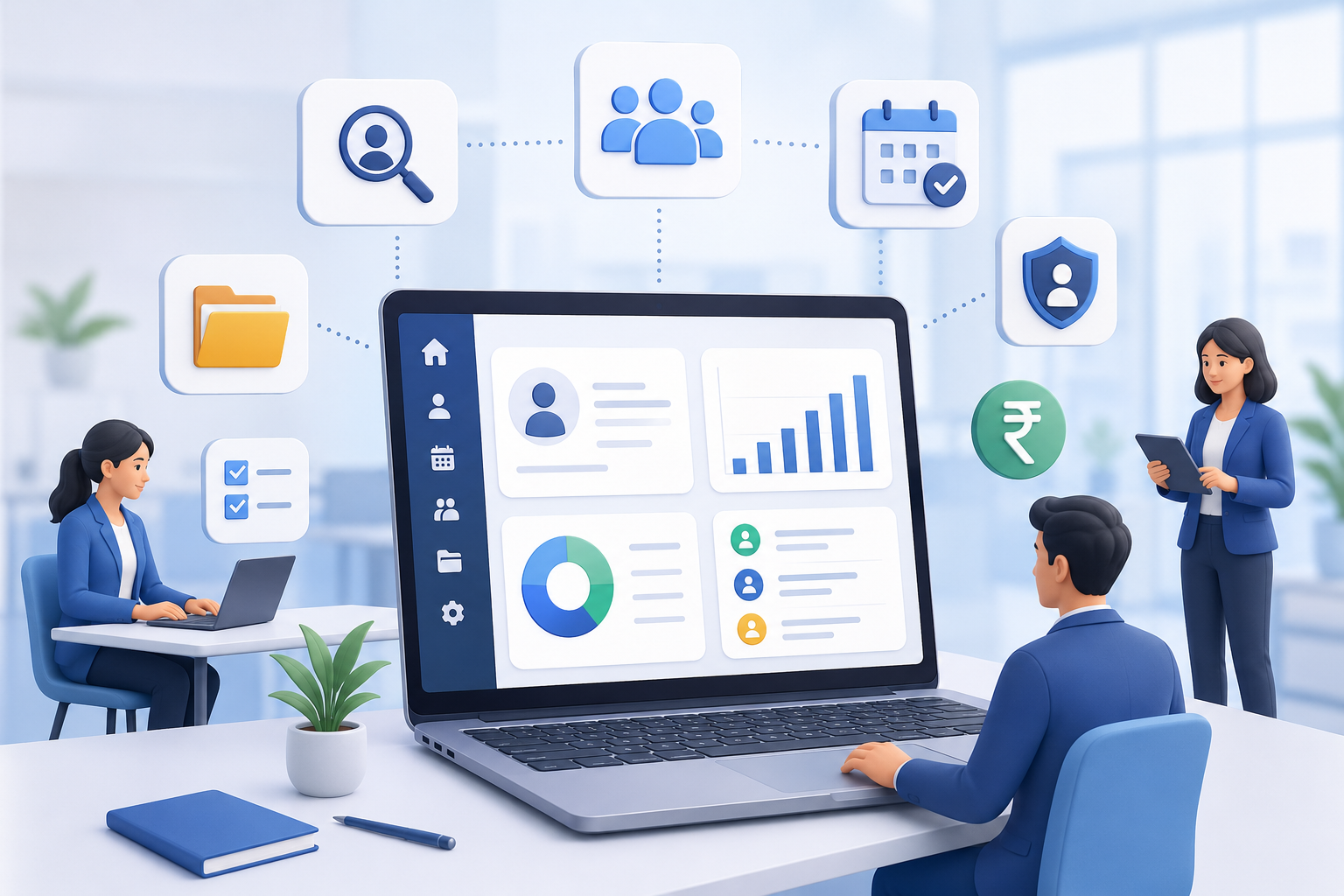
For organizations managing a growing workforce, payroll management software can simplify salary-related processes by organizing employee information, attendance inputs, leave details, deductions, and other payroll components in a structured system. Instead of depending heavily on spreadsheets and manual calculations, payroll teams can use digital workflows to improve consistency and reduce repetitive work.
Why Payroll Management Matters
Payroll involves more than simply transferring salaries to employees. It may include salary structures, allowances, deductions, attendance, leave, taxes, statutory requirements, reimbursements, and payroll reports.
When these activities are handled manually, HR and finance teams may need to repeatedly collect and verify information from different sources. This increases the possibility of data-entry mistakes.
A structured payroll process helps businesses keep important information organized and make salary processing more predictable.
Reducing Manual Calculations
Manual calculations can consume considerable time, particularly when an organization has many employees. Payroll teams may need to calculate working days, leave adjustments, deductions, overtime, and other salary components.
Automation can help perform repetitive calculations based on predefined rules and employee information. This reduces the amount of manual work required and allows payroll professionals to spend more time reviewing results rather than calculating every figure themselves.
Automation does not eliminate the need for human oversight. Payroll teams should still review important information and ensure that organizational policies are correctly configured.
Connecting Attendance With Payroll
Attendance and payroll are closely connected. Employee working days, absences, overtime, and approved leave can affect salary calculations depending on company policies.
When attendance information is maintained separately, HR teams may need to transfer data manually into payroll records. This can create unnecessary duplication.
An integrated system can make the movement of information more efficient. Once attendance data is reviewed and approved, relevant information can be used during payroll processing, reducing repeated data entry.
Managing Employee Salary Information
Every employee may have a different salary structure. Basic pay, allowances, deductions, incentives, reimbursements, and other components can vary according to job role or company policy.
A centralized payroll platform can help maintain these details in an organized manner. Authorized users can update employee information when changes occur, such as promotions, salary revisions, or changes in responsibilities.
Maintaining structured records also makes it easier to review historical information when necessary.
Improving Payroll Accuracy
Accuracy is one of the biggest priorities in payroll administration. Incorrect calculations can affect employee trust and create additional work for HR and finance departments.
Digital workflows can reduce common problems associated with manual data entry. Automated calculations, predefined salary structures, approval processes, and centralized employee records can contribute to greater consistency.
However, businesses should regularly review payroll configurations and employee information to ensure that the system reflects current policies.
Supporting Compliance
Payroll is often connected with statutory and regulatory responsibilities. Businesses may need to calculate deductions, prepare reports, and maintain appropriate records according to applicable requirements.
A suitable digital payroll platform can help organize these activities and generate relevant reports. This can make compliance-related administration more manageable.
Businesses should still verify that their payroll processes and configurations remain aligned with current legal requirements.
Employee Access and Transparency
Employees frequently have questions about salary, deductions, leave adjustments, and other payroll details. If every query must be handled manually by HR, it can increase administrative pressure.
Employee self-service features can provide employees with access to selected payroll information and documents. This improves transparency and allows employees to find routine information without repeatedly contacting HR.
Greater access to accurate information can also reduce misunderstandings around salary processing.
Payroll Reports and Insights
Payroll data can provide useful information for management. Reports can help businesses understand salary expenses, deductions, department-level costs, and workforce-related trends.
Organized reporting makes it easier for HR and finance teams to review payroll information and prepare internal reports. It can also support budgeting and workforce planning.
Businesses can use these insights to understand how employee costs are changing over time and make more informed decisions.
Choosing a Payroll Platform
Before selecting a payroll solution, businesses should consider their workforce size, salary structure, existing HR processes, compliance requirements, reporting needs, and integration capabilities.
Ease of use is equally important. A complicated platform may increase the training burden and make adoption difficult.
Security should also be considered because payroll systems contain confidential employee and financial information. Access controls, authentication, data protection, and reliable backups are important features to evaluate.
Benefits for Growing Businesses
Payroll requirements often become more complex as organizations expand. More employees mean more salary records, attendance inputs, leave information, and administrative responsibilities.
A scalable payroll system can help businesses handle increasing workloads without continuously increasing manual effort. It can also provide a more consistent process across departments and locations.
For HR teams, this can mean less time spent on repetitive administrative work and more time available for employee-focused activities.
Conclusion
Efficient payroll management supports both employee satisfaction and business operations. By organizing salary information, automating calculations, connecting attendance data, and improving reporting, digital payroll processes can make payroll administration more reliable. Integrating payroll with HR Software can also create a more connected approach to workforce management, allowing businesses to manage related HR activities from a centralized environment. With the right system and regular review, organizations can build a payroll process that is accurate, efficient, and easier to manage.

 English
 Arabic
 French
 Spanish
 Portuguese
 Deutsch
 Turkish
 Dutch
Dutch
 Italiano
 Romaian
 Portuguese (Brazil)
 Greek
Greek