


How to Sound Deaden a Car Door: A Practical Guide to Reducing Noise and Improving Audio Quality
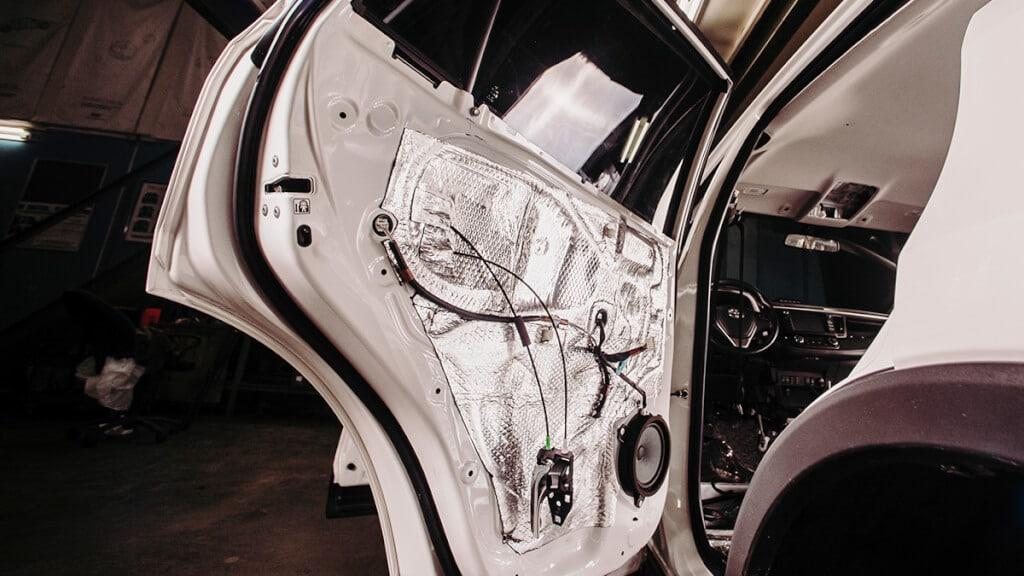
Learning how to sound deaden a car door is one of the most practical upgrades for drivers dealing with road noise, rattles, vibrating panels, or inconsistent speaker performance. Car doors contain broad metal surfaces that can resonate as the vehicle moves, while the speaker, trim panel, and internal components can introduce additional vibration. With the right materials and a careful installation, these unwanted movements can be controlled and the cabin can become noticeably more refined.
Sound deadening is especially useful when upgrading a factory audio system. Door-mounted speakers work inside a structure that was not necessarily designed as an ideal acoustic enclosure. When the surrounding metal flexes or resonates, some of the speaker's energy can be lost to vibration. Treating the door helps create a more controlled environment, allowing the audio system to work against a more stable structure.
The goal, however, should not be to make the vehicle completely silent. Effective sound treatment is about managing specific sources of vibration and noise. When material selection, placement, and installation are handled properly, the result can be a quieter cabin, fewer annoying rattles, and a cleaner listening experience.
Start by Understanding the Door Structure
Before removing anything, take a moment to understand how your door is built. Most doors contain an exterior metal skin, an inner structural section, wiring, a speaker, window hardware, clips, and a decorative trim panel.
Each layer can contribute differently to noise and vibration. The outer skin may resonate when exposed to road impacts, while the inner structure can transfer vibration into the cabin. The trim panel may also develop small rattles where plastic components or clips contact one another.
Knowing where these components are located makes the installation safer and more effective. It also helps prevent material from interfering with moving parts such as the window regulator, latch mechanism, or wiring.
Gather the Right Materials
A basic door treatment project usually requires more than one type of material, depending on the problems you are trying to address.
A vibration-damping material is typically used on metal surfaces to reduce panel resonance. Closed-cell foam or similar isolation material can be useful at selected contact points where plastic panels or other components may rub against one another.
You will also need basic installation supplies such as cleaning materials, appropriate hand tools, and a method for firmly pressing the damping material onto the surface. The exact tools depend on the vehicle, but careful preparation is just as important as the materials themselves.
Avoid choosing materials based solely on thickness or quantity. Automotive doors have limited space, and the best installation is one that provides useful acoustic control without interfering with factory components.
Remove the Door Panel Carefully
Begin by disconnecting the vehicle according to the manufacturer's recommended procedure and remove the interior door panel. Keep track of screws, clips, handles, switches, and other hardware as you work.
Door panels can have hidden fasteners or delicate plastic clips, so forcing a panel loose can cause unnecessary damage. A trim-removal tool can help reduce the chance of breaking clips or marking surrounding surfaces.
Once the panel is removed, inspect the inside of the door. Look for factory vapor barriers, wiring, drainage openings, speakers, moving hardware, and areas where the window mechanism travels.
This inspection is an important part of the process because the material should never obstruct essential door functions.
Prepare the Metal Surface
Good surface preparation is one of the less glamorous but most important parts of sound-deadening work. Dust, grease, moisture, and other contamination can reduce how effectively adhesive material bonds to the door.
Clean the areas that will receive treatment and allow them to dry completely. Do not remove or block factory drainage features simply to increase coverage.
At this stage, identify the larger sections of metal that appear flexible or likely to resonate. These are often better targets than randomly covering every available surface.
Treat the Areas That Matter Most
Once the surface is ready, begin applying your damping material to strategic sections of the door. The outer metal skin is a common priority because its broad surface can vibrate in response to road energy and speaker output.
The inner door structure may also benefit from treatment, particularly around areas where vibration is noticeable or where the speaker is mounted. Coverage does not necessarily need to be continuous across every surface to be useful.
Press the material firmly against the metal and follow the manufacturer's installation recommendations. Proper contact is important because poorly applied material may not provide the intended damping effect.
Pay Attention to the Speaker Area
If improving audio quality is one of your goals, spend extra time around the speaker mounting area. A speaker needs a stable foundation, and excessive movement in the surrounding structure can contribute to unwanted resonance.
Make sure the speaker is securely mounted and that the surrounding components do not introduce gaps or unnecessary movement. Depending on the vehicle and speaker configuration, appropriate sealing or isolation materials may also help improve the relationship between the speaker and door structure.
Sound deadening cannot compensate for poorly installed speakers, incorrect polarity, weak mounting, or improper audio tuning. It should be considered one part of a complete audio installation rather than a replacement for good equipment and setup.
Control Rattles From Trim and Contact Points
Sometimes the most irritating noise does not come from the metal door at all. Plastic trim, wiring, clips, and nearby components can produce buzzing sounds when they vibrate against one another.
After treating the major metal surfaces, inspect potential contact points. Where appropriate, thin foam or gasketing material can be used to separate surfaces that rub together or create small gaps.
Be selective. Adding material everywhere can make the panel difficult to reinstall and may create pressure points. The objective is to eliminate specific sources of movement while keeping the original door structure functional.
Keep Moving Components Clear
This is one of the most important installation rules. A car door contains mechanisms that must move freely every time the vehicle is operated.
Keep damping and isolation materials away from the window regulator, cables, lock mechanism, wiring connectors, speaker components, drainage paths, and other moving or serviceable parts unless the material is specifically designed and positioned for that application.
Before reinstalling the door panel, operate the window and inspect the door mechanisms where accessible. Confirm that nothing has been restricted, pinched, or displaced.
A quieter door is not an improvement if the window stops working afterward.
Reassemble and Test the Door
Once the treatment is complete, reinstall the factory components carefully. Make sure clips and fasteners are properly seated and that the trim panel fits without excessive pressure.
Test the window, locks, handles, and speakers before considering the job finished. Play familiar music at different volume levels and listen for buzzing, distortion, or new rattles.
It can be useful to drive over several different road surfaces afterward. Smooth pavement may not reveal problems that become obvious on rough roads, so testing under realistic conditions provides a better indication of the results.
What Results Should You Expect?
The improvement depends heavily on the vehicle, materials, coverage, and original condition of the doors. Some vehicles may experience a noticeable reduction in panel resonance and road noise, while others may show a more subtle improvement.
From an audio perspective, the biggest advantage is often a more controlled environment around the speaker. Reducing unwanted panel movement can help minimize competing resonance and may make the system sound cleaner and more composed.
Sound deadening is not the same as complete soundproofing. Tire noise, wind noise, drivetrain sounds, and other sources can still enter the cabin through different parts of the vehicle. For broader noise reduction, doors can be treated as part of a larger approach that includes the floor, roof, wheel wells, and other relevant areas.
Make Door Treatment Part of a Bigger Upgrade
If your main goal is better audio, combine door treatment with proper speaker installation, secure mounting, appropriate sealing, and correct system tuning. If your priority is cabin comfort, consider which noise sources are most prominent before deciding where to spend additional time and material.
A targeted strategy generally produces better results than simply adding as much material as possible. Every vehicle has different construction, so the ideal treatment should match the actual sources of vibration and noise.
Final Thoughts
Understanding how to sound deaden a car door gives you a practical way to address two common problems at once: unwanted vibration and an uncontrolled acoustic environment around the speakers. The process begins with careful inspection, continues with proper surface preparation and strategic material placement, and finishes with testing every door component before reassembly.
Done correctly, door sound treatment can help reduce resonance, calm rattles, improve everyday cabin comfort, and give your audio system a more stable foundation. The key is not simply adding material—it is knowing where it provides value and installing it without compromising the vehicle's original functions.

 Arabic
 French
 Spanish
 Portuguese
 Deutsch
 Turkish
 Dutch
Dutch
 Italiano
 Russian
 Romaian
 Portuguese (Brazil)
 Greek
Greek
