


Ottawa Radon Pro Testing for Safer Homes and Families
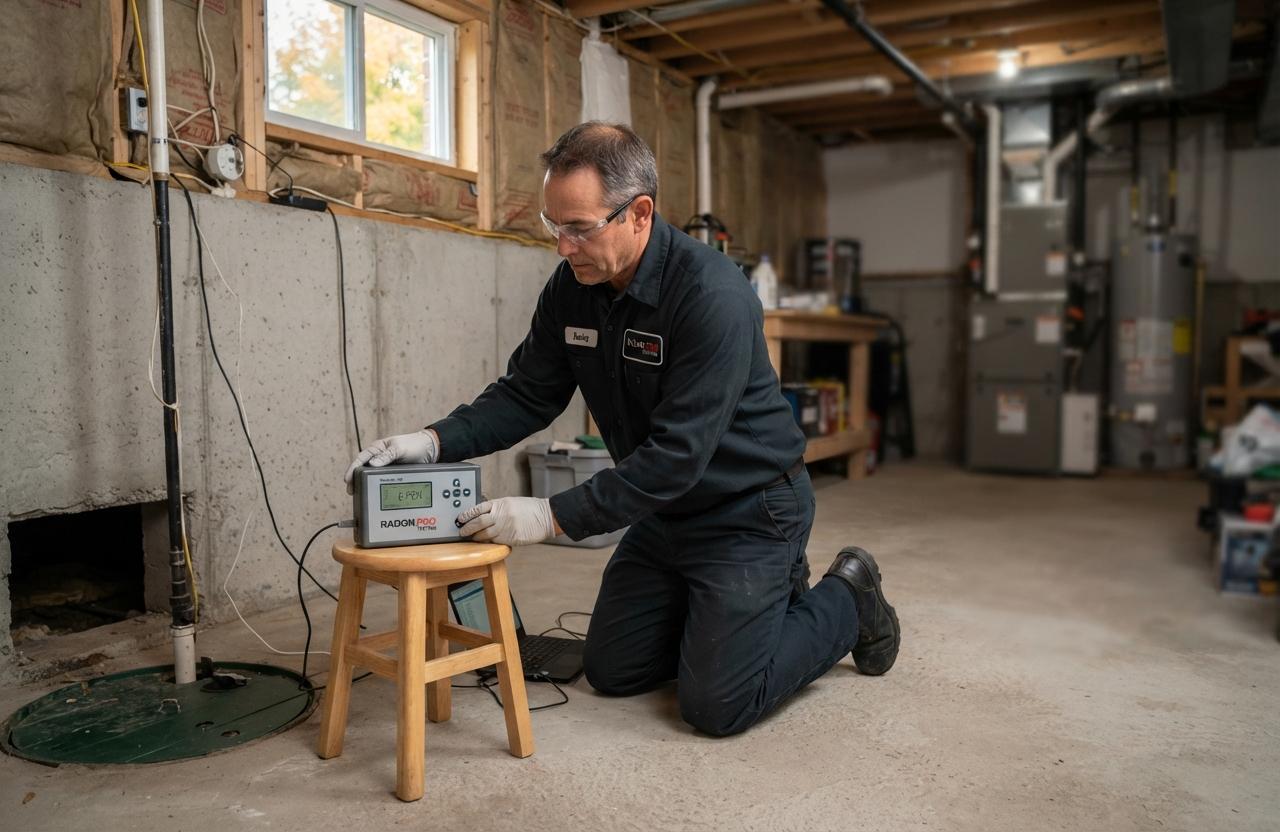
Keeping your home safe and healthy involves more than maintaining clean floors, fresh air, and comfortable surroundings. Some potential dangers are invisible and cannot be detected without professional equipment. Radon gas is one such concern for homeowners in Ottawa. This naturally occurring radioactive gas can enter buildings through foundations, cracks, and other openings, potentially accumulating indoors over time.
Ottawa Radon Pro Testing is an important step towards understanding the quality of indoor air and protecting your family from unnecessary exposure. Since radon cannot be seen, smelled, or tasted, testing is the only reliable way to determine its concentration inside your property. Professional testing can help homeowners identify elevated levels, understand their results, and make informed decisions about reducing radon exposure.
What Is Radon Gas and Why Should Ottawa Homeowners Be Concerned?
Radon is a naturally occurring radioactive gas produced when uranium in soil and rock breaks down. It can move through the ground and enter residential properties through foundation cracks, construction joints, sump pits, floor drains, and gaps around pipes.
When radon enters a building, it can become trapped indoors, particularly in basements and lower levels. Long-term exposure to elevated radon concentrations increases the risk of developing lung cancer.
Ottawa homeowners should take this issue seriously because radon can be present in properties regardless of their age, size, or construction style. Even a newly built home can have elevated radon levels.
The biggest challenge is that there are no obvious warning signs. A property may look perfectly healthy while containing unsafe radon concentrations. This makes regular testing an important part of responsible home maintenance.
Why Is Ottawa Radon Pro Testing Important?
Professional radon testing provides homeowners with valuable information about their indoor environment. Instead of relying on assumptions, property owners can use accurate measurements to understand their actual radon exposure.
Here are several important reasons to consider professional testing.
1. Identify Hidden Radon Problems
Radon cannot be detected through ordinary household inspections. Professional testing uses appropriate measurement equipment to identify its concentration inside a property.
Knowing the radon level helps homeowners understand whether additional action is necessary.
2. Protect Your Family's Long Term Health
Continuous exposure to elevated radon levels can increase the risk of lung cancer. Testing helps families identify potential exposure and take appropriate steps to reduce it.
It is particularly important for households where family members spend considerable time in basements or other lower-level living spaces.
3. Make Better Property Decisions
Radon testing is also valuable when purchasing, selling, or renovating a property. Buyers can better understand the indoor environmental conditions before completing a purchase.
Homeowners planning basement renovations should also consider testing before turning unused spaces into bedrooms, offices, or family rooms.
4. Understand Whether Mitigation Is Necessary
Testing provides the information needed to determine whether a radon reduction system should be considered. Without reliable measurements, homeowners may spend money on unnecessary solutions or overlook an existing problem.
How Does Professional Radon Testing Work?
Understanding the testing process can help homeowners feel more confident about arranging an inspection.
Professional radon measurement generally involves several important steps.
Initial Property Assessment
The process begins with an assessment of the property. A professional considers the building layout, foundation type, basement conditions, and areas where residents spend most of their time.
Selecting the Appropriate Testing Location
Radon testing equipment is generally placed on the lowest regularly occupied level of the property. This could be a basement bedroom, family room, or another frequently used space.
The location matters because testing should provide a representative understanding of the radon concentration in the home's living environment.
Measuring Radon Concentrations
Suitable radon measurement devices are used to monitor indoor radon levels. Depending on the equipment and testing approach, measurements may be collected over an extended period.
Health Canada recommends long-term testing for at least 91 days to estimate average annual radon concentrations accurately.
Reviewing and Understanding the Results
Once testing is complete, the results help homeowners understand whether their property's radon concentration is within the recommended Canadian guideline.
Health Canada recommends taking corrective action when long-term radon measurements are above 200 Bq/m³.
What Is the Recommended Radon Level in Canada?
Health Canada recommends an indoor radon guideline of 200 becquerels per cubic metre (Bq/m³).
When a long-term test indicates that the average radon concentration exceeds this guideline, homeowners should take steps to reduce the level within one year.
It is important to understand that radon concentrations can change depending on weather conditions, ventilation, building characteristics, and seasonal variations.
For this reason, a short measurement may not accurately represent a property's long-term exposure. A properly conducted long-term test provides more useful information when deciding whether mitigation is necessary.
Homeowners should also remember that lower radon concentrations mean lower exposure-related health risks.
Why Choose Professional Radon Testing Instead of Guesswork?
Although do-it-yourself radon testing kits are available, some homeowners prefer professional assistance because they want support with equipment placement, testing procedures, and understanding the final results.
A qualified measurement professional can help ensure that testing follows appropriate standards and that the results are interpreted correctly.
When selecting a service provider, consider the following factors:
-
Professional qualifications and relevant C-NRPP certification.
-
Experience with residential radon measurement.
-
Appropriate testing equipment.
-
Clear explanations of testing procedures.
-
Detailed reporting and recommendations.
-
Guidance on suitable next steps if elevated levels are discovered.
Choosing a qualified professional helps homeowners make informed decisions instead of relying on assumptions or incomplete measurements.
What Happens If Your Home Has High Radon Levels?
Discovering elevated radon concentrations does not mean that a property is unsafe to live in permanently. Effective mitigation solutions are available to reduce indoor radon levels.
One commonly used approach is Active Sub-Slab Depressurization (ASD). This system uses a specially designed suction point, piping, and a radon fan to draw soil gases from beneath the building and release them safely outdoors.
The appropriate solution depends on the property's foundation, construction, and radon entry pathways.
After installation, follow-up testing is important to confirm that the mitigation system is working effectively.
Homeowners should work with qualified mitigation professionals to determine the most suitable approach for their property.
Why Consider Ottawa Radon Pros for Radon Testing?
Ottawa Radon Pros provides radon-related services for homeowners and property owners in Ottawa and surrounding communities. The company offers radon testing, radon removal, and specialist services designed to help customers understand and address indoor radon concerns.
Its website highlights services in Ottawa, Kanata, Cornwall, Vanier, and surrounding areas. The company also explains different radon mitigation approaches, including Active Sub-Slab Depressurization, and provides information about post-mitigation testing.
Whether you are concerned about your basement, purchasing a new property, or planning home improvements, Ottawa Radon Pros offers a starting point for discussing your radon concerns and exploring suitable services.
Click here to Visit and learn more about its services or contact the company to request a quote.
When Should You Schedule a Radon Test?
Radon testing is worthwhile if you have never tested your property before. It is also recommended after significant renovations, changes to the building structure, or energy-efficiency improvements that may affect indoor ventilation.
Fall and winter are particularly suitable periods for long-term testing because homes are generally more closed during colder weather.
If you are purchasing a property, consider arranging testing as part of your broader home assessment.
Rather than waiting until you suspect a problem, proactive testing helps you understand your indoor environment and decide whether any improvements are needed.
Conclusion
Radon is an invisible indoor air concern that Ottawa homeowners should not overlook. Because it cannot be detected through ordinary observation, proper measurement is essential for understanding potential exposure.
Ottawa Radon Pro Testing helps homeowners take a more informed approach to identifying radon concerns, understanding measurement results, and considering appropriate mitigation solutions.
Whether you own an older property, recently purchased a house, or are planning basement renovations, professional radon testing can provide valuable peace of mind. By choosing qualified professionals and following Health Canada's recommendations, you can take meaningful steps towards maintaining a healthier indoor environment for your family.

 English
 Arabic
 French
 Spanish
 Portuguese
 Deutsch
 Turkish
 Dutch
 Russian
 Romaian
 Portuguese (Brazil)
 Greek