


How Better Equipment Planning Supports Efficient Eye Care Expansion
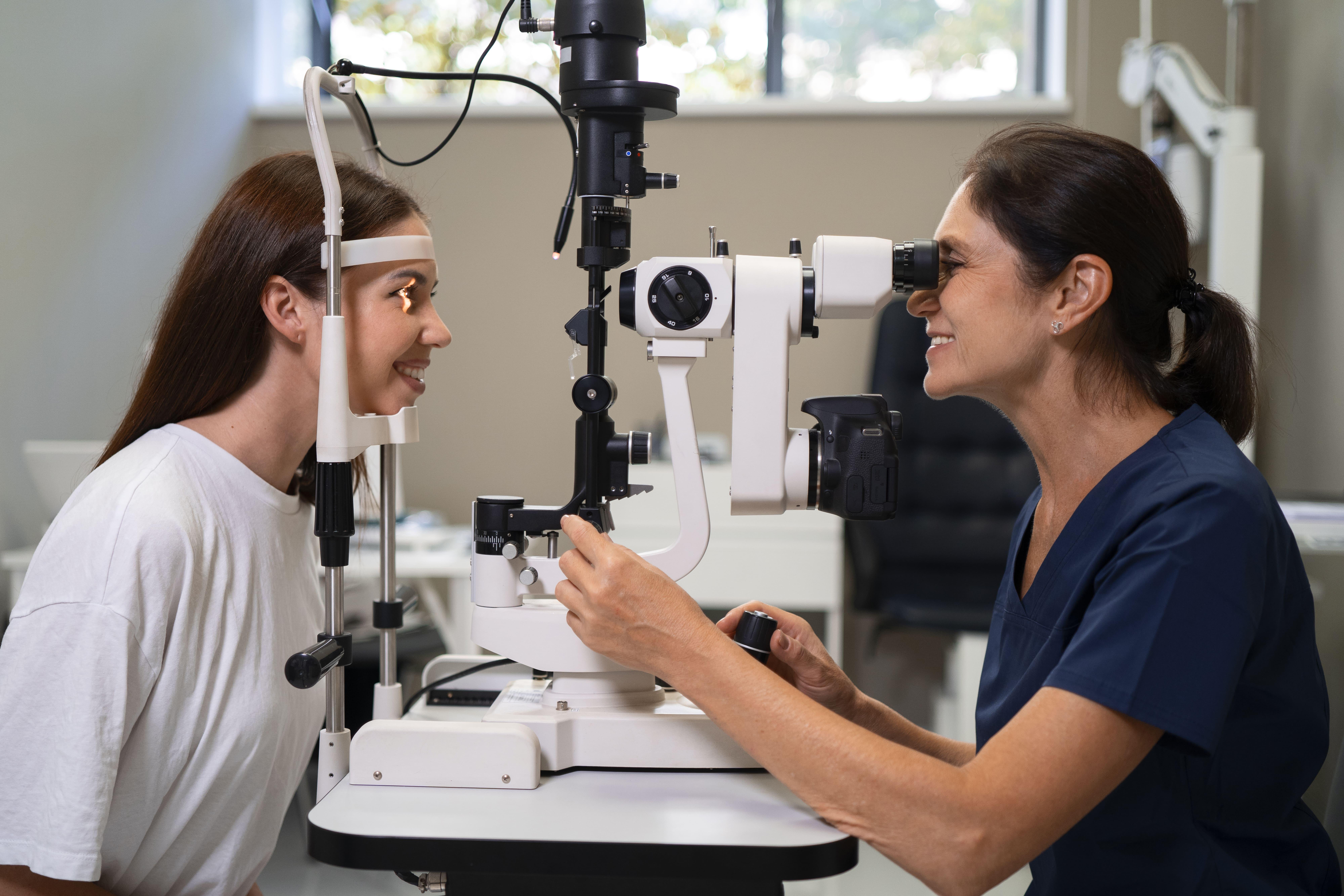
Expanding an eye care practice requires careful planning because growth affects almost every part of clinical operations. As patient volumes increase, existing diagnostic equipment may become less efficient, examination rooms may face greater demand, and clinicians may require better tools for documentation and patient monitoring. Equipment planning therefore becomes an important part of any successful expansion strategy.
Retinal imaging technology is one area where thoughtful planning can make a significant difference. A suitable imaging system can support efficient examinations, clear clinical documentation, better patient monitoring, and smoother workflows. However, purchasing equipment without considering future requirements can lead to unnecessary costs or technology that becomes inadequate soon after installation.
Better equipment planning focuses on selecting systems that match the clinic's current needs while providing enough flexibility for expected growth. It also considers installation, training, software, maintenance, technical support, patient volume, and total ownership cost.
Start With the Expansion Goal
Before purchasing new equipment, clinic owners should clearly define the purpose of the expansion.
The goal may be to:
- Increase daily patient capacity
- Add retinal screening services
- Open additional examination rooms
- Expand specialist services
- Improve digital documentation
- Establish another clinic location
Each objective can require a different equipment strategy.
For example, a clinic primarily increasing patient volume may prioritize fast workflows and automated imaging, while a practice expanding into more specialized retinal services may place greater emphasis on image quality, data management, and advanced clinical capabilities.
A clear expansion objective helps prevent spending money on equipment that does not directly support the clinic's growth plan.
Assess Current Equipment Before Buying More
Expansion does not always require completely replacing existing equipment. Sometimes the current technology can continue supporting routine work while new equipment is added for increased capacity.
Before purchasing, review:
- Current equipment age
- Existing image quality
- Daily utilization
- Maintenance history
- Software capabilities
- Connectivity
- Available examination capacity
This assessment can reveal whether the best strategy is replacement, additional equipment, software improvement, or a combination of these approaches.
Understanding the existing setup also helps prevent duplication and unnecessary capital expenditure.
Forecast Patient Growth
Patient volume is one of the most important factors in equipment planning.
An imaging system that performs well for a small practice may become inefficient as demand increases. Clinics should therefore estimate expected patient growth over several years rather than planning only for current demand.
Consider:
- Current daily patient volume
- Expected annual growth
- Peak appointment periods
- Number of clinicians
- Number of technicians
- Planned service expansion
Higher patient volumes may make automation, faster image acquisition, efficient software, and durable construction more valuable.
A realistic growth forecast helps the clinic select equipment with sufficient capacity without purchasing excessive capability.
Prioritize Image Quality
Image quality should remain a fundamental part of equipment planning. Retinal imaging systems need to provide clear and consistent images that support clinical documentation and review.
Important characteristics include:
- Image clarity
- Resolution
- Retinal detail
- Focus performance
- Illumination
- Field of view
- Image consistency
When evaluating the Fundus Camera Price India, clinics should look beyond the quoted equipment amount and consider how imaging quality, software, configuration, and long-term performance influence the overall value of the investment.
Clear and consistent images can also reduce repeated image capture, saving staff time and helping maintain a smooth examination workflow.
Consider Workflow Efficiency
Expansion usually means more patients moving through the clinic. Diagnostic technology should therefore make the workflow more efficient rather than becoming a bottleneck.
Providers should evaluate the complete imaging process:
- Patient preparation
- Positioning
- Alignment
- Image acquisition
- Image-quality verification
- Image storage
- Reporting or documentation
A small improvement in each stage can produce a significant increase in overall efficiency when repeated across many patients.
Technology that simplifies routine procedures can help the clinic increase capacity without creating unnecessary operational pressure.
Use Automation Where It Provides Value
Automation can support efficient clinic expansion by reducing repetitive manual tasks.
Depending on the system, automated capabilities may assist with:
- Alignment
- Focus
- Tracking
- Image capture
- Patient positioning
- Image-quality assessment
Automation can help standardize routine procedures and reduce operator workload.
However, clinics should not assume that more automation is automatically better. The focus should be on functions that solve actual workflow challenges and provide measurable benefits.
Evaluate Software and Data Management
As a clinic grows, the amount of diagnostic data it generates also increases. Efficient software becomes essential for managing images and patient information.
Useful capabilities may include:
- Digital image storage
- Patient record association
- Image comparison
- Report generation
- Image retrieval
- Data export
- Search functionality
A growing clinic should consider whether its current data-management system can support increased imaging volume or whether additional software and storage will be necessary.
Planning these needs in advance helps avoid future disruptions.
Plan Digital Connectivity
Equipment expansion often involves adding new systems to an existing digital environment. Connectivity should therefore be considered from the beginning.
Clinics should assess compatibility with:
- Electronic patient records
- Practice-management systems
- Computer networks
- Data-storage platforms
- Other diagnostic devices
Good integration can reduce manual data entry and allow clinical information to move more efficiently through the practice.
It can also make future expansion easier when additional examination rooms or locations are introduced.
Include Installation and Infrastructure Costs
Equipment purchases may involve expenses beyond the device itself.
Depending on the technology and clinic environment, additional requirements can include:
- Room preparation
- Electrical work
- Computer systems
- Network setup
- Software configuration
- Data storage
- Installation and calibration
These expenses should be included in the expansion budget from the beginning.
A complete financial plan reduces the risk of unexpected costs after equipment has already been ordered.
Budget for Training
New equipment should be accompanied by proper staff training. Expansion often means that new technicians or clinicians will operate the technology, making standardized training particularly important.
Training may cover:
- Patient positioning
- Image acquisition
- Automated functions
- Image-quality checks
- Software operation
- Data management
- Routine equipment care
Proper training helps reduce operator errors and improves consistency between users.
It also makes it easier to integrate new team members into the clinic's workflow.
Consider Reliability and Equipment Lifespan
Expansion increases dependence on diagnostic equipment, so reliability becomes even more important.
Equipment downtime can affect appointment schedules, reduce patient capacity, and create unexpected expenses.
Before purchasing, clinics should evaluate:
- Build quality
- Expected operating life
- Maintenance requirements
- Warranty coverage
- Manufacturer reputation
- Service availability
Durable equipment can help protect the clinic's investment and reduce the risk of premature replacement.
Review Maintenance Requirements
Equipment planning should include ongoing maintenance costs.
Providers should understand:
- Preventive maintenance intervals
- Technical inspection requirements
- Software support
- Replacement components
- Service availability
- Expected maintenance expenses
A predictable maintenance plan makes expansion costs easier to manage.
It also helps the clinic anticipate periods when equipment may need servicing and plan patient schedules accordingly.
Select a Dependable Equipment Provider
The provider can have a major influence on the success of an equipment expansion. Installation, product training, warranty assistance, technical support, and after-sales service can all affect the equipment's long-term performance.
Matronix Optotechnik provides ophthalmic diagnostic solutions for optical stores, eye clinics, hospitals, and diagnostic centers, with a focus on reliable imaging, efficient workflows, practical clinical performance, and long-term support. Its service offering includes installation assistance, product training, warranty support, and after-sales assistance.
Choosing an experienced provider can help clinics make more informed equipment decisions and reduce implementation problems during expansion.
Consider the Cost of Downtime
Downtime should be treated as a financial consideration.
When imaging equipment is unavailable, the clinic may need to reschedule patients, use alternative systems, or reduce examination capacity. In a growing practice, these disruptions can have a greater impact than they would in a smaller facility.
Providers should therefore consider service response times and technical support when comparing different equipment options.
Reliable equipment with responsive support can help maintain continuity during expansion.
Plan for Future Growth
Better equipment planning means thinking beyond the current expansion phase.
A clinic may add:
- More examination rooms
- Additional clinicians
- Higher patient volumes
- New diagnostic services
- Digital systems
- Additional locations
Equipment should ideally be able to support these developments.
Future-ready technology can reduce the need for frequent replacement and help the practice build a more stable diagnostic infrastructure.
Consider Upgrade Potential
Technology changes over time, so supported upgrades can influence the long-term value of an equipment purchase.
Potential upgrade areas may include:
- Software
- Connectivity
- Workflow functions
- Storage
- Supported accessories
A system that can adapt to future requirements may remain useful for longer than equipment with limited flexibility.
This can make the original investment more sustainable.
Match Technology to Actual Clinical Requirements
Expansion should not automatically lead to the purchase of the most advanced equipment available.
A clinic should select technology based on:
- Clinical services
- Patient volume
- Staff capabilities
- Imaging requirements
- Workflow needs
- Future growth plans
Choosing equipment that matches real requirements helps control costs while ensuring that the practice has adequate diagnostic capacity.
Compare Total Ownership Value
The initial purchase amount is only one part of the financial decision.
A complete evaluation should include:
- Acquisition cost
- Installation
- Training
- Software
- Maintenance
- Repairs
- Technical support
- Upgrades
- Downtime
- Expected service life
- Replacement planning
This approach provides a more realistic understanding of the financial commitment.
A system with a higher initial cost can sometimes deliver better long-term value if it improves workflow, reduces downtime, and remains reliable for many years.
Avoid Unnecessary Features
Growth can make it tempting to purchase every available advanced feature. However, additional capabilities should be evaluated according to their practical value.
Before selecting a feature, ask:
- Will staff use it regularly?
- Does it improve image quality?
- Does it increase screening capacity?
- Does it reduce workflow time?
- Will it support future clinic growth?
Focusing on meaningful features helps prevent unnecessary expenditure.
Build a Phased Expansion Strategy
In some cases, the most efficient approach is to expand gradually rather than purchasing everything at once.
A clinic may begin with one additional imaging system and evaluate actual patient demand before adding more equipment.
A phased strategy can help:
- Control initial capital spending
- Measure workflow improvements
- Monitor patient growth
- Adjust staffing gradually
- Reduce investment risk
This approach can be particularly useful when demand is expected to grow progressively.
Measure the Expected Benefits
Equipment planning should include specific goals for the expansion.
Potential benefits may include:
- Higher patient capacity
- Faster examinations
- Fewer repeat images
- Improved documentation
- Better staff productivity
- Reduced downtime
- Improved patient experience
Defining measurable objectives makes it easier to determine whether the equipment investment is delivering the intended value.
Conclusion
Better equipment planning supports efficient eye care expansion by connecting technology investments with clinical requirements, patient demand, workflow needs, and long-term growth plans. Image quality, automation, software, connectivity, installation, training, maintenance, reliability, technical support, and total ownership costs should all be considered before purchasing.
A well-planned equipment strategy helps clinics expand without creating unnecessary financial or operational pressure. By selecting technology that matches present needs while allowing room for future development, eye care providers can build efficient diagnostic workflows and create a stronger foundation for sustainable clinical growth.

 English
 Arabic
 French
 Spanish
 Portuguese
 Deutsch
 Turkish
 Dutch
Dutch
 Russian
 Romaian
 Portuguese (Brazil)
 Greek
Greek