


Septic Tank Camera Inspection: A Smart Way to Detect Hidden Septic Problems
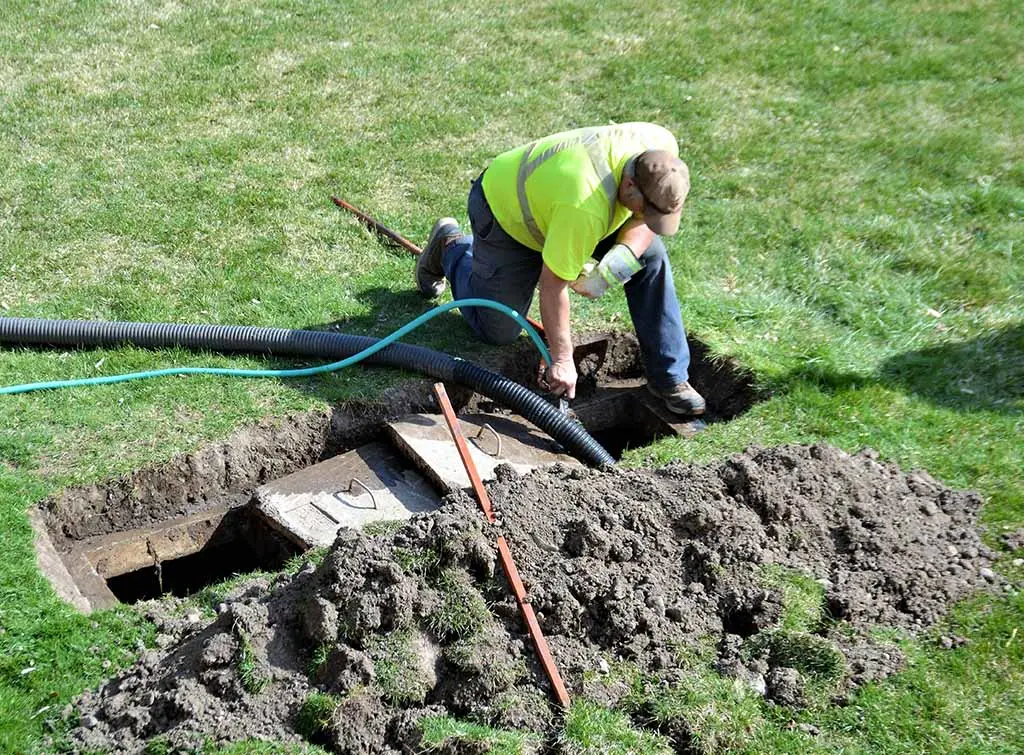
Septic systems are designed to operate quietly underground, which can make developing problems difficult for property owners to identify until noticeable symptoms appear. Slow drainage, recurring backups, foul odors, unusually wet areas, or unexplained plumbing issues can indicate trouble within the tank, pipes, or drain field. A professional Septic Tank Camera Inspection provides a practical way to investigate certain hidden conditions by using specialized camera equipment to view accessible sections of the wastewater system. Instead of relying solely on surface symptoms or extensive excavation, technicians can gather visual information that may help identify blockages, damaged piping, root intrusion, or other concerns affecting system performance.
The growing demand for efficient septic diagnostics reflects a broader shift toward preventive property maintenance and informed repair decisions. Underground wastewater infrastructure can be expensive and disruptive to replace, so determining the actual source of a problem before beginning major work is valuable for homeowners, property managers, and prospective buyers. Camera-based inspection can provide useful information about the condition and location of problems, helping professionals determine whether cleaning, repair, replacement, or further evaluation is appropriate. When combined with experienced interpretation and other septic assessment methods, visual inspection technology can support more accurate decisions and reduce unnecessary work.
Understanding Septic Tank Camera Inspection and Its Importance
Camera inspection uses a small, specialized camera attached to a flexible cable or other inspection equipment to provide a visual view inside accessible portions of septic-related piping. The equipment can help technicians observe conditions that would otherwise remain hidden beneath soil, flooring, landscaping, or other structures. Depending on the system's design, an inspection may reveal obstructions, cracks, displaced joints, root intrusion, buildup, collapsed sections, or other abnormalities within a pipe. The ability to see the interior of a line can be particularly useful when symptoms do not clearly identify the source of a problem. However, camera inspection is one diagnostic tool rather than a complete evaluation of every septic component. A professional may combine visual findings with tank inspection, pumping information, drainage assessment, and other observations to develop a more accurate understanding of system performance. This broader approach helps ensure that property owners do not mistake a visible pipe issue for the entire cause of a septic failure.
Importance of Professional Septic Inspection Expertise
Professional expertise is essential when using camera technology because obtaining an image is only part of the diagnostic process. Experienced technicians understand how to interpret what the camera reveals and relate those findings to the property's plumbing configuration, septic design, and reported symptoms. A blockage, for example, may be visible on camera, but determining whether it is the primary cause of recurring backups requires consideration of water flow, pipe condition, tank capacity, and other system factors. Professionals can also identify limitations associated with camera access, pipe diameter, line configuration, visibility, and equipment positioning. Attempting to interpret footage without appropriate knowledge may lead to incorrect conclusions or unnecessary repairs. Qualified technicians can explain whether a finding appears minor, requires monitoring, or warrants immediate corrective action. Their experience also helps determine when additional diagnostic work is necessary. Professional inspection therefore combines technology with practical judgment, allowing property owners to receive useful information rather than simply a recording of an underground pipe.
Services and Applications Related to Camera Inspection
Camera-based septic inspection can be useful in several situations, including troubleshooting recurring blockages, investigating slow drainage, evaluating underground lines, assessing suspected root intrusion, and gathering information before repair work. Property owners may also consider an inspection when purchasing a property with a private septic system, particularly if the age or maintenance history of the underground components is uncertain. During a repair project, camera footage can help identify the location of a damaged section and potentially reduce unnecessary excavation. In some cases, professionals may use the equipment after cleaning a line to verify whether an obstruction has been removed or whether structural concerns remain. Camera inspection can also contribute to preventive maintenance by revealing developing conditions before they cause complete system failure. The exact usefulness of the service depends on system design and camera accessibility, so homeowners should understand that not every septic component can necessarily be evaluated through a camera. A qualified technician can determine which areas can be inspected and whether other diagnostic methods should be used alongside the camera assessment.
Choosing the Right Septic Tank Camera Inspection Provider
Selecting the right inspection provider involves evaluating technical experience, diagnostic capabilities, communication, and the company's approach to septic system care. Property owners should look for professionals who have experience with camera-based underground inspections and understand how to interpret findings in the context of the entire wastewater system. A reputable provider should explain what areas can be inspected, what limitations may apply, and what the inspection is intended to determine. It is also useful to ask whether the technician will explain findings during or after the inspection and provide recommendations based on observed conditions. Homeowners should be cautious of providers who use a camera finding to recommend major replacement work without considering other evidence. A responsible professional should distinguish between a minor defect and a condition that genuinely threatens system performance. Clear communication about inspection procedures, potential repair requirements, and follow-up services can help property owners make informed decisions. The goal should be accurate diagnosis and practical guidance rather than unnecessary work.
Quality, Safety, and Industry Standards
Quality and safety are important considerations during any septic inspection because technicians may work around wastewater, underground infrastructure, confined spaces, and potentially hazardous property conditions. Professional technicians should use appropriate equipment and follow established safety procedures when accessing tanks, cleanouts, pipes, and other system components. Camera equipment should be suitable for the type of line being inspected and operated carefully to avoid damaging existing components. Proper identification of the inspection access point is also important because septic systems can have complex configurations that vary between properties. Professionals should document relevant findings accurately and communicate limitations when certain areas cannot be inspected. Environmental considerations are equally important because opening or disturbing wastewater components can create sanitation risks if handled improperly. By following appropriate safety practices and using suitable inspection equipment, qualified professionals can gather valuable information while minimizing risks to workers, property occupants, and the surrounding environment.
Benefits of Professional Camera-Based Septic Diagnostics
One of the primary advantages of professional camera inspection is the ability to gather visual information about underground piping without immediately resorting to extensive excavation. This can help technicians locate certain defects more precisely and give property owners a clearer understanding of what may be happening beneath the surface. Accurate location information can make repair planning more efficient and may help reduce unnecessary disturbance to landscaping, driveways, floors, or other property features. Camera inspection can also help distinguish between recurring blockages and structural problems, which may require very different solutions. For property buyers, an inspection can provide additional information when evaluating the condition of an existing septic system, although it should not be treated as a guarantee of overall system performance. For property owners experiencing repeated plumbing issues, visual evidence can make it easier to determine whether a hidden underground problem is contributing to the symptoms. Ultimately, the value of camera inspection comes from combining detailed visual evidence with professional interpretation and appropriate follow-up recommendations.
Future Trends and Industry Development
Septic inspection technology is continuing to advance as property owners and service professionals seek more efficient ways to diagnose underground infrastructure. Improvements in camera resolution, equipment flexibility, recording capabilities, and location technology can help technicians gather increasingly detailed information from difficult-to-access piping. Some modern inspection systems can provide clearer images and better documentation, allowing property owners and professionals to review findings more effectively when planning repairs. Diagnostic technology may also become increasingly integrated with digital service records, helping homeowners maintain a history of inspections, repairs, and system conditions. These developments support a broader movement toward preventive maintenance, where potential problems are identified before they result in major failures. However, technology alone cannot replace professional judgment. As inspection equipment becomes more sophisticated, technicians will continue to play an important role in interpreting findings, considering site-specific conditions, and determining whether repair or replacement is appropriate. The combination of better tools and experienced evaluation can make septic maintenance more informed and efficient.
Conclusion
Hidden septic problems can be difficult to diagnose because critical components are located underground and may not show obvious signs of damage until performance has already declined. Septic Tank Camera Inspection offers a valuable diagnostic approach by allowing professionals to visually examine accessible underground piping and identify conditions that may otherwise require extensive investigation. When performed by an experienced technician, camera inspection can help locate certain blockages, cracks, root intrusion, and structural concerns while supporting more informed repair decisions. Property owners should view camera inspection as part of a broader septic evaluation rather than a standalone guarantee of system condition. By combining modern diagnostic technology with professional expertise, responsible maintenance, and timely repairs, homeowners can better understand their septic infrastructure and address potential problems before they become more disruptive and expensive.

 English
 Arabic
 French
 Spanish
 Portuguese
 Deutsch
 Turkish
 Dutch
Dutch
 Italiano
 Russian
 Romaian
 Greek
Greek