


AI Automation Agency Business Model: How Agencies Create Scalable Digital Services
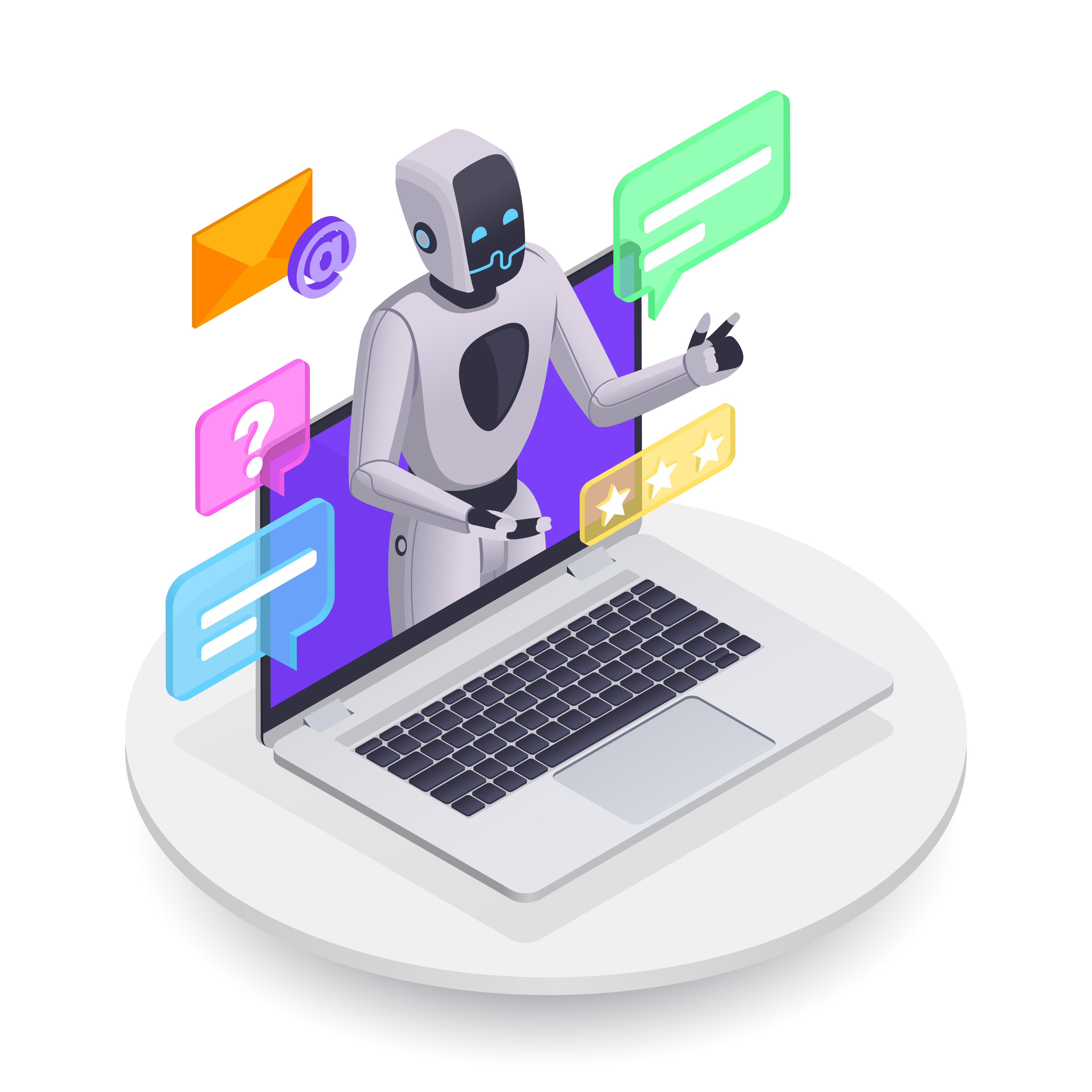
Artificial intelligence is changing how businesses manage repetitive tasks, customer interactions, sales processes, and internal operations. As companies look for practical ways to implement AI without building complex systems themselves, specialized agencies are emerging to provide automation solutions. This has created growing interest in the ai automation agency business model and how agencies can structure services around AI-powered workflows.
An AI automation agency typically helps businesses identify repetitive processes and connect artificial intelligence with existing software, platforms, and business systems. Rather than selling a single technology, the agency focuses on solving specific operational problems through customized automation.
What Is an AI Automation Agency Business Model?
The ai automation agency business model is based on providing businesses with AI-powered automation services in exchange for project fees, recurring subscriptions, retainers, or a combination of these revenue models.
An agency may analyze a company's workflows, identify opportunities for automation, design AI-powered systems, implement integrations, and provide ongoing maintenance.
Common solutions can include:
- AI customer support systems
- Automated lead qualification
- AI-powered appointment scheduling
- Email and communication automation
- CRM workflow automation
- Document processing
- Data extraction and organization
- Sales follow-up automation
- Internal knowledge assistants
- AI chatbots and virtual assistants
The exact service mix depends on the agency's technical capabilities and the industries it serves.
How the Business Model Works
An AI automation agency generally begins by understanding a client's existing processes. The goal is not simply to introduce AI but to determine where automation can create measurable improvements.
For example, a business may receive hundreds of customer inquiries every month. An agency could design an AI-assisted system that answers common questions, identifies qualified prospects, collects relevant information, and sends qualified leads to a sales team.
The agency can then charge for designing and implementing the system, followed by an ongoing fee for monitoring, optimization, support, or additional automation.
Choosing a Target Market
A focused niche can make an AI automation agency easier to position and operate. Instead of trying to serve every type of business, an agency can specialize in industries with similar workflows and automation requirements.
Potential markets include:
- Healthcare businesses
- Real estate companies
- E-commerce businesses
- Professional services
- Marketing agencies
- Financial services
- Hospitality businesses
- Local service companies
Industry specialization can allow agencies to develop repeatable automation frameworks rather than creating every system entirely from scratch.
Revenue Streams
An effective ai automation agency business model can include multiple revenue streams. Project-based pricing is common when clients need a specific automation system designed and implemented.
Recurring revenue can come from monthly maintenance, monitoring, optimization, hosting, support, or access to proprietary automation platforms.
Another approach involves packaged services. For example, an agency might offer a defined AI lead-management system at a fixed implementation price with an optional monthly service plan.
Multiple revenue streams can provide greater predictability while allowing clients to select services according to their needs.
The Role of AI Agents
AI agents are becoming an important component of modern automation strategies. Unlike basic rule-based automation, AI agents can potentially interpret information, make decisions within defined parameters, interact with software tools, and complete multi-step workflows.
For agencies, this creates opportunities to develop solutions that automate more complex processes. Examples include lead research, customer support escalation, appointment management, document analysis, and internal information retrieval.
However, agencies should establish appropriate controls, permissions, human oversight, and testing before deploying AI agents in business-critical processes.
Why Businesses Use AI Automation Agencies
Many companies understand the potential of AI but do not have the internal expertise or resources required to design and maintain automation systems.
An agency can bridge this gap by handling technology selection, workflow design, integrations, implementation, testing, and ongoing optimization.
This can allow businesses to adopt automation without building a dedicated AI team from the beginning.
OtivaxAI and AI Automation Services
OtivaxAI operates within the broader AI automation space by focusing on practical applications of artificial intelligence for business workflows. The company's approach can be positioned around identifying repetitive processes and developing technology-driven solutions that help businesses manage tasks more efficiently.
For an AI automation provider, the long-term opportunity extends beyond implementing individual tools. Building reusable systems, developing industry-specific solutions, and maintaining recurring client relationships can create a more scalable operating model.
Challenges of the AI Automation Agency Model
Despite its opportunities, the business model also presents challenges. AI technologies evolve quickly, meaning agencies need to continuously update their technical knowledge and solutions.
Data privacy, cybersecurity, integration reliability, and AI accuracy are also important considerations. Automation should be tested carefully, particularly when systems handle sensitive information or customer-facing interactions.
Client education can be another challenge. Businesses need to understand what an automation system can realistically accomplish and where human oversight remains necessary.
Building a Scalable Agency
Scalability is one of the key considerations in the ai automation agency business model. Agencies that customize every project from the ground up may find it difficult to increase capacity.
Developing reusable workflows, templates, integrations, documentation, and industry-specific automation frameworks can reduce implementation time. Standardized onboarding and support processes can further improve operational efficiency.
Over time, an agency may transition from primarily project-based work toward a combination of consulting, implementation, and recurring technology services.
Conclusion
The ai automation agency business model provides a framework for helping businesses adopt artificial intelligence without requiring them to develop every capability internally. Agencies can generate revenue through implementation projects, consulting, recurring support, maintenance, and packaged automation solutions.
The strongest models are likely to focus on practical business outcomes rather than AI technology alone. By understanding specific workflows, developing repeatable systems, maintaining appropriate human oversight, and continuously adapting to technological changes, AI automation agencies can build sustainable services around the growing demand for intelligent business automation.

 English
 Arabic
 Spanish
 Portuguese
 Deutsch
 Turkish
 Dutch
Dutch
 Italiano
 Russian
 Romaian
 Portuguese (Brazil)
 Greek
Greek
