


How to Build a Long-Term Partnership with a Tactical Gear Manufacturer for Consistent Quality
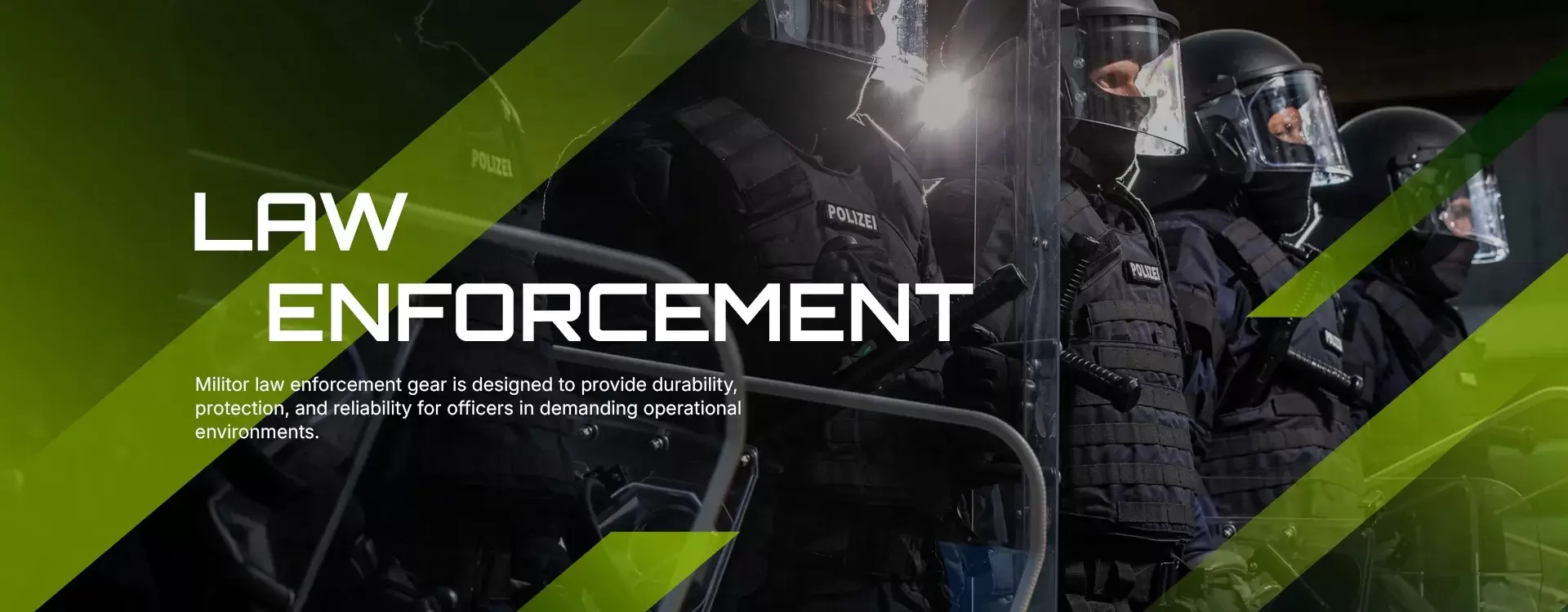
Sourcing tactical equipment as a one-time transaction is very different from building a lasting manufacturing relationship. Businesses that rely on consistent, repeat orders — whether supplying retailers, law enforcement agencies, or military contracts — benefit enormously from a long-term partnership with a tactical gear manufacturer, since consistency, trust, and shared understanding tend to improve significantly over time. Rather than treating each order as an isolated negotiation, a well-managed partnership creates a foundation where quality, communication, and reliability compound with every cycle.
This article outlines how to build and sustain that kind of long-term relationship.
1. Start with Thorough Vetting Before Committing Long-Term:
A durable partnership begins with careful selection. Before committing to a long-term relationship, it's important to verify the manufacturer's certifications, quality control processes, and production capacity, along with references from other long-standing clients. Rushing into a long-term agreement without this due diligence increases the risk of quality issues surfacing later, once significant volume and trust have already been placed in the relationship.
2. Establish Clear, Documented Quality Expectations Early:
Consistency starts with clarity. From the earliest stages of the relationship, it's essential to document precise quality expectations, including material specifications, construction standards, sizing tolerances, and acceptable defect rates. Having these expectations recorded in writing, rather than left to informal understanding, gives both parties a clear reference point and reduces the likelihood of disputes as order volume grows over time.
3. Communicate Consistently and Transparently:
Long-term partnerships are built on communication that goes beyond simple order confirmations. Regular check-ins about production timelines, potential material shortages, or upcoming order changes allow both sides to plan proactively rather than react to last-minute surprises. A manufacturer that communicates transparently — flagging issues early rather than hiding them — demonstrates the kind of reliability that strengthens trust over successive orders.
4. Conduct Regular Quality Reviews, Not Just Initial Inspections:
Consistent quality requires ongoing attention, not a single evaluation at the start of the relationship. Periodically reviewing product quality across multiple shipments — through sample audits, third-party inspections, or structured feedback sessions — helps ensure that standards are maintained as order volume scales and production teams change over time. This ongoing oversight also gives the manufacturer clear, actionable feedback to address any quality drift before it becomes a larger pattern.
5. Provide Consistent, Accurate Forecasting:
Manufacturers plan raw material sourcing and production schedules more effectively when they receive reliable demand forecasts from their partners. Sharing projected order volumes, seasonal fluctuations, and upcoming custom requirements well in advance allows the manufacturer to allocate resources appropriately, reducing the risk of rushed production that can compromise quality. This kind of forecasting transparency is a hallmark of a mature, long-term partnership.
6. Invest in Collaborative Product Development:
Long-term partnerships often extend beyond simply placing repeat orders for existing products. Working collaboratively with the manufacturer on new product development, material upgrades, or design refinements builds a deeper, more integrated relationship, where the manufacturer becomes genuinely invested in the success of your brand rather than functioning as an interchangeable vendor.
7. Negotiate Fair, Sustainable Pricing Over Time:
Sustainable partnerships depend on pricing structures that work for both sides. Rather than repeatedly pressuring a manufacturer for the lowest possible cost, which can lead to corners being cut on materials or labor, it's often more effective to negotiate fair, transparent pricing that accounts for rising material costs or increased order complexity. A manufacturer that isn't operating on unsustainable margins is far more likely to maintain consistent quality over the long term.
8. Address Issues Directly and Constructively:
No manufacturing relationship is entirely free of occasional issues, whether it's a delayed shipment or a batch that falls short of expectations. How these issues are handled often determines whether a partnership strengthens or deteriorates over time. Addressing problems directly, with specific documentation and a constructive tone rather than blame, tends to produce faster resolutions and reinforces mutual respect between both parties.
9. Recognize and Reward Reliability:
Manufacturers who consistently deliver strong quality and meet deadlines deserve recognition, whether through increased order commitments, longer-term contracts, or simply consistent, timely payments. Treating a reliable manufacturer as a valued partner — rather than a replaceable vendor — encourages continued investment in your account, including prioritized production scheduling and closer attention to your specific requirements.
10. Formalize the Relationship with Long-Term Agreements:
As trust develops, formalizing the relationship through multi-year supply agreements, standardized quality contracts, or volume-based pricing tiers provides stability for both parties. These formal agreements typically outline quality benchmarks, delivery timelines, and dispute resolution processes clearly, reducing ambiguity and reinforcing the long-term nature of the partnership.
Final Thoughts:
Building a long-term partnership with a tactical gear manufacturer for consistent quality requires intentional effort on both sides — clear expectations, transparent communication, ongoing quality oversight, and fair treatment all play a role. When approached as a genuine partnership rather than a series of isolated transactions, this relationship becomes a significant competitive advantage, delivering the kind of dependable, consistent quality that's difficult to achieve through short-term or constantly shifting vendor relationships.

 English
 Arabic
 French
 Spanish
 Portuguese
 Deutsch
 Turkish
 Dutch
Dutch
 Italiano
 Russian
 Portuguese (Brazil)
 Greek
Greek
