


Why Radon Testing Matters for Property Safety
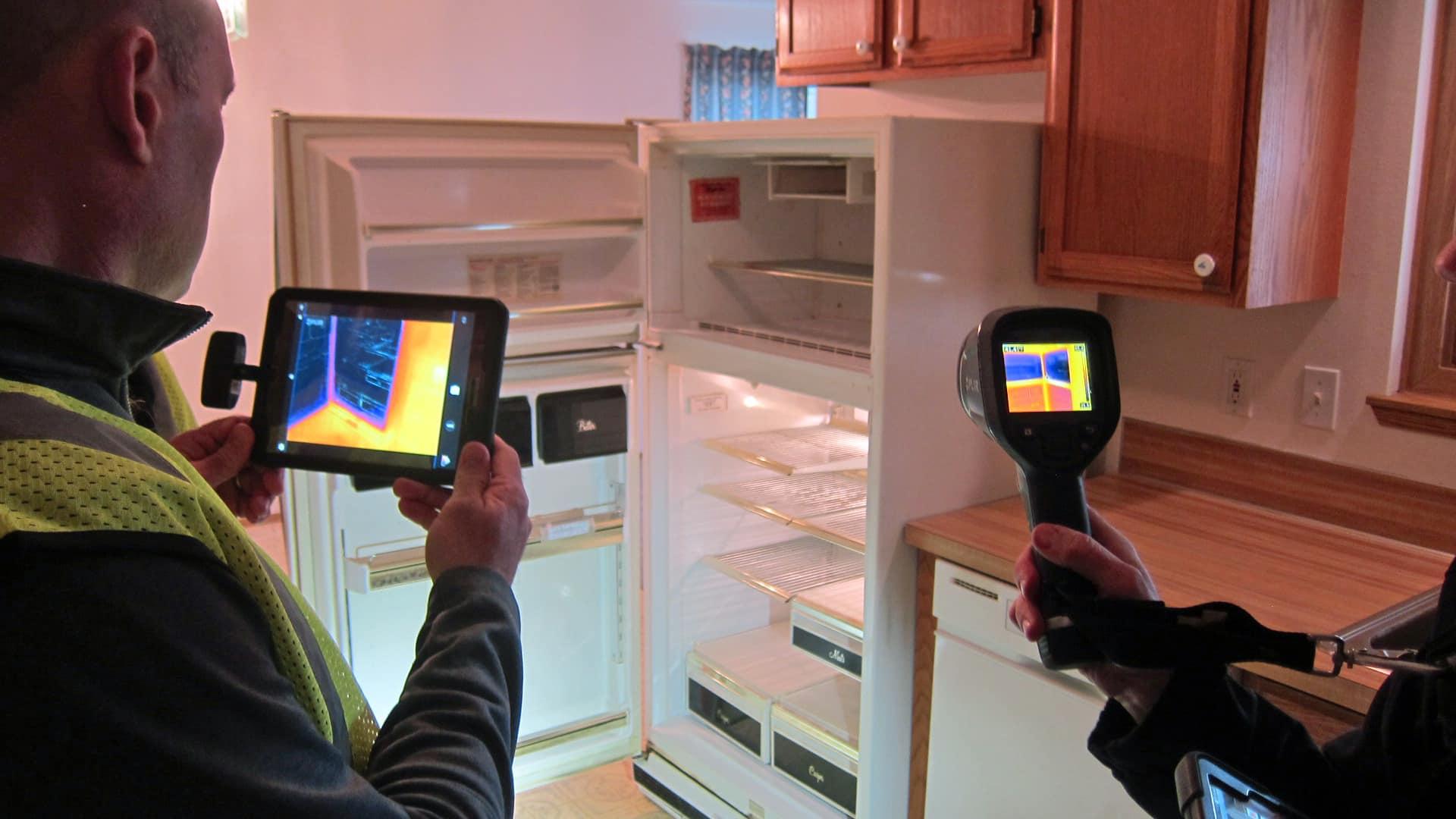
Understanding Radon in Properties
A safe and comfortable property depends on more than visible features such as walls, floors, and roofing. Some environmental concerns cannot be identified simply by looking at a building. Radon is one example because it is a naturally occurring radioactive gas that can enter buildings from the ground and accumulate indoors.
Because radon is colorless and odorless, testing is needed to determine whether elevated levels may be present. Understanding this concern can help property owners and prospective buyers take appropriate steps when evaluating a building.
Why Testing Deserves Attention
When arranging Radon inspection services in Rochester, property owners can gain useful information about indoor environmental conditions. Testing can help determine whether radon levels are elevated enough to warrant additional action.
Radon can enter through cracks in foundations, gaps around pipes, construction joints, and other openings that connect indoor spaces with the ground. The amount that enters can vary from one property to another, even when nearby buildings have different results.
Testing is therefore more useful than relying on assumptions about a neighborhood or property type.
How Testing Supports Property Evaluation
A thorough property evaluation considers multiple aspects of a building. Structural components, roofing, plumbing, electrical systems, heating equipment, ventilation, and other accessible features may all be reviewed during an inspection.
Adding radon testing provides another layer of information. Home inspections can help identify visible conditions throughout the property, while specialized environmental testing can address concerns that cannot be evaluated through visual examination alone.
Using both types of evaluation can give buyers and property owners a broader understanding of the building and help them determine whether additional investigation may be appropriate.
Preparing for an Inspection
Good preparation can make the inspection process more efficient. Access should be available to important areas of the property, including basements, crawl spaces, utility areas, and other locations that may need examination.
Homeowners should also avoid moving or interfering with testing equipment once it has been placed. Following the testing provider's instructions is important because changes in the testing environment can affect the reliability of the results.
If a property is being purchased, scheduling the evaluation early enough in the transaction can provide adequate time to review findings and consider any necessary follow-up.
Understanding Test Results
Receiving a test result does not necessarily mean that a property has a serious problem. Results need to be interpreted according to the testing method, duration, location, and applicable health or building guidance.
If elevated levels are identified, property owners can discuss appropriate mitigation options with qualified professionals. Potential approaches may involve systems designed to reduce radon entry or improve the movement of air from beneath the building.
It is important not to attempt major mitigation work based solely on assumptions. Proper evaluation can help determine what approach is suitable for the specific property.
When Additional Evaluation Is Useful
An inspection may reveal conditions that deserve further attention. Cracks in foundation areas, moisture concerns, poor drainage, or other building conditions can sometimes influence how environmental issues are managed.
Additional testing may also be useful when a property has a history of elevated readings or when a previous test is outdated. Buyers should review available inspection information and ask appropriate questions when previous results are available.
Keeping records of testing and mitigation work can also provide useful documentation for future owners and maintenance planning.
Maintaining a Better-Aware Property
Property maintenance should include awareness of conditions that may not be immediately visible. Regularly checking foundations, sealing appropriate openings, controlling moisture, and maintaining ventilation systems can support general building performance.
However, routine maintenance should not be considered a substitute for radon testing. Testing provides actual information about indoor levels, while maintenance addresses broader property conditions.
A thoughtful evaluation combines visual inspection with appropriate specialized testing when needed. By understanding how radon can enter a building and using reliable testing methods, property owners and buyers can make better-informed decisions about the spaces they occupy.

 English
 Arabic
 French
 Spanish
 Portuguese
 Deutsch
 Turkish
 Italiano
 Russian
 Romaian
 Portuguese (Brazil)
 Greek
Greek