


Stair Lift Rental and Residential Elevator Installation: Making Homes Safer and More Accessible
Creating a safe and comfortable home environment becomes increasingly important when mobility needs change. Stairs can present a major challenge for older adults, people recovering from injuries, and individuals living with limited mobility. Fortunately, homeowners have several accessibility options available, including stair lift rental and residential elevator installation. Both solutions can make moving between levels easier, but they serve different needs and are suitable for different types of homes and situations.
Understanding the differences between these options can help homeowners choose an accessibility solution that fits their property, lifestyle, and long-term plans.
Understanding Stair Lift Rental
A stair lift is a motorized mobility device designed to transport a person safely along a staircase. It typically consists of a comfortable seat, a track installed along the stairs, a motor, and safety features such as a seat belt and adjustable footrest. Instead of requiring someone to climb the stairs, the user sits on the chair and travels smoothly between floors.
One of the biggest advantages of stair lift rental is flexibility. Not every homeowner needs a permanent accessibility solution. Someone recovering from surgery, an injury, or a temporary mobility limitation may only need assistance for a few months. Renting a stair lift can provide practical support without requiring a permanent installation or a long-term financial commitment.
A rental can also be useful for families who are caring for an elderly relative temporarily. Rather than modifying the entire home, a stair lift can provide immediate access to different floors while allowing the family to evaluate future accessibility needs.
Benefits of Stair Lift Rental
Choosing stair lift rental can offer several benefits. The first is convenience. A rental arrangement can be particularly practical when accessibility needs are temporary or uncertain.
Another benefit is that stair lifts generally require less structural modification than larger accessibility systems. They are designed to follow the existing staircase, making them suitable for many homes with straight or curved staircases, depending on the equipment available.
Safety is another important consideration. Modern stair lifts commonly include features designed to improve stability and reduce the risk of accidents. A secure seat, safety belt, controlled movement, and sensors can help users travel between floors with greater confidence.
Rental options may also allow homeowners to avoid purchasing equipment that they may not need indefinitely. For people with short-term mobility challenges, this can make a stair lift a practical accessibility choice.
When a Stair Lift May Be the Right Choice
A stair lift can be especially appropriate when the primary accessibility problem is the staircase itself. If a person can comfortably move around each individual floor but struggles to climb stairs, a stair lift may address the main obstacle without requiring extensive changes to the property.
It can also be a good choice for homes where construction space is limited. Because the system works alongside the existing staircase, homeowners may not need to dedicate an entire room or significant floor area to an accessibility system.
However, homeowners should consider staircase width, configuration, user requirements, and available installation options before selecting a model. Professional assessment can help determine whether a particular stair lift is appropriate for the property.
Exploring Residential Elevator Installation
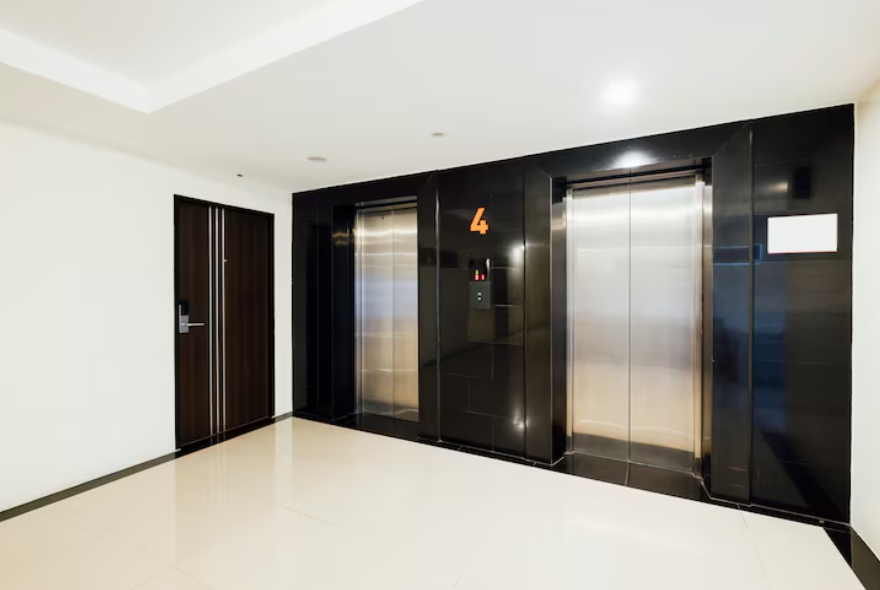
While a stair lift follows the staircase, an elevator provides vertical transportation between floors. Residential elevator installation involves creating a dedicated system that allows people to travel between levels while standing or sitting inside an enclosed elevator space.
A residential elevator can be a valuable long-term accessibility investment. It may benefit homeowners who want convenient access throughout multiple levels of their property, particularly when mobility needs are expected to continue for many years.
Unlike a stair lift, an elevator can potentially transport more than one person at a time and may also provide space for mobility equipment, depending on its design and capacity.
Advantages of Residential Elevators
One of the primary advantages of residential elevator installation is comprehensive accessibility. Instead of focusing only on the staircase, an elevator can become an integral part of movement throughout the home.
Residential elevators can also provide convenience beyond mobility assistance. Homeowners may use them to transport groceries, laundry, luggage, or other items between floors. This can make everyday household activities easier.
Another advantage is that a thoughtfully designed elevator can complement the appearance of a home. Modern residential systems can be incorporated into different architectural styles, allowing homeowners to prioritize both functionality and design.
For families planning to remain in their homes for many years, an elevator may also represent a long-term accessibility strategy. It can make the property more adaptable as household needs change over time.
Stair Lift Rental vs. Residential Elevator Installation
Although both options improve accessibility, they are not interchangeable. Stair lift rental is generally more suitable for temporary needs, simpler accessibility requirements, or homeowners who want a flexible solution. It can provide direct assistance with stair navigation without creating a dedicated vertical transportation space.
On the other hand, residential elevator installation may be better suited to homeowners seeking a permanent, comprehensive accessibility solution. An elevator can serve multiple floors and may offer additional convenience for people and household items.
The decision should depend on the home's layout, the user's mobility requirements, the expected duration of use, available space, and long-term plans for the property.
Considering Safety and Comfort
Safety should be one of the most important factors when selecting any accessibility equipment. Homeowners should consider how easily the user can enter and exit the equipment, whether controls are simple to operate, and whether emergency features are available.
Comfort is equally important. A person who uses an accessibility device frequently should have a system that accommodates their physical needs. Seating, movement speed, controls, and available space can all influence the overall experience.
Professional evaluation is valuable because every home and user has different requirements. A qualified accessibility professional can examine the staircase, floor plan, available space, and intended use before recommending an appropriate solution.
Planning for Long-Term Accessibility
Accessibility planning does not have to wait until mobility becomes a serious challenge. Homeowners who anticipate changing needs can consider modifications early and make decisions based on both present and future requirements.
For short-term situations, stair lift rental can provide an adaptable solution without committing to a permanent system. For homeowners looking for a lasting accessibility upgrade, residential elevator installation can provide convenient movement between multiple levels while potentially adding value and functionality to the home.
The most important consideration is choosing a solution that supports independence. When people can safely access different areas of their homes, they may feel more comfortable maintaining their routines and enjoying their living spaces.
Conclusion
Home accessibility solutions can make a significant difference in safety, independence, and everyday comfort. Stair lift rental offers flexibility for people who need assistance navigating stairs temporarily or who want a less permanent solution. Meanwhile, residential elevator installation provides a more comprehensive and long-term approach to moving between multiple floors.
Neither option is automatically right for every homeowner. The best choice depends on individual mobility needs, home design, budget considerations, and future plans. By carefully evaluating these factors and seeking professional guidance, homeowners can create a living environment that is safer, more convenient, and better prepared for changing accessibility needs.

 English
 Arabic
 French
 Spanish
 Portuguese
 Deutsch
 Turkish
 Dutch
Dutch
 Italiano
 Russian
 Portuguese (Brazil)
 Greek
Greek
