


5 Benefits of Upgrading Electrical Protection in an Older Home
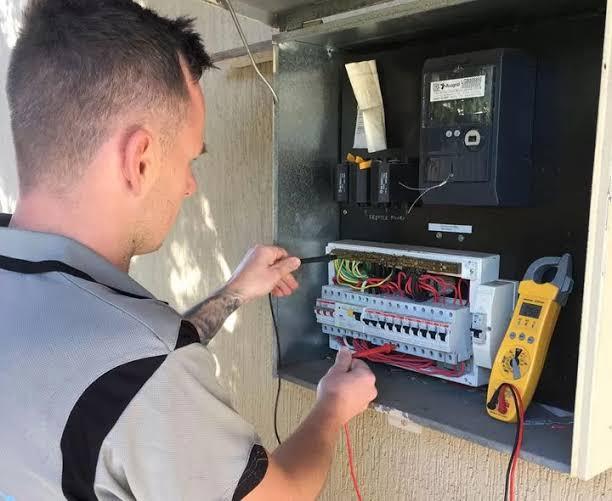
Existing electrical systems in older houses might not be able to handle the increased stress of air conditioning, appliances and technology. Old age does not necessarily indicate that the entire electrical system or switchboards need to be replaced, but if the wiring, switchboards or protective devices are outdated, then a professional assessment is required. Some forms of fault and electric shock hazard can be better protected using modern electrical protection. Before you make any decision about upgrading your electrical system, homeowners should evaluate the condition of their electrical system. A professional assessment can be used for those who may be thinking about having a safety switch installation Sutherland Shire to determine the appropriate protection for the property.
Below are 5 of the most significant benefits to keep in mind.
1. Improved Protection from Some Electric Shock Hazards.
The one of the most important advantages of the modern electrical protection is the extra protection offered by a Residual Current Device (RCD), also called a safety switch.
A safety switch can be used to monitor the flow of electricity through a circuit. It can quickly turn off the electricity if it senses a leakage to ground or to earth which suggests a possible hazardous condition. This assists in preventing people from experiencing certain serious "electrical shock" situations.
Safety switches are not circuit breakers!
It is a distinction that matters to homeowners.
A safety switch/RCD is a device that is used to protect people from some residual current and electric shock hazards.
The main purpose of a circuit breaker is to protect electrical circuits and wiring from some overcurrent conditions.
Having a circuit breaker therefore does not automatically mean that the circuit has the same protection provided by an RCD.
NSW Government states that if the house is an older one, one safety switch may not be sufficient to protect all its circuits because a safety switch only protects the circuit or circuits it is connected to.
That is why there is a need for a qualified electrician to examine the existing switchboard, and not take for granted that one type of protective device will offer total domestic protection.
2. Lower risk of some electrical fault.
Several factors can cause electrical issues such as damaged wiring, appliances that are not working, worn insulation and loose connections or overloaded circuits.
When a home's wiring has been changed over and over again or hasn't been professionally examined for many years, older homes may warrant special attention.
NSW Government states that aged wiring has the potential of deteriorating over time, and old wiring can pose a risk of electrical fault and fire.
Why professional assessment is important
A frequent circuit tripping does not indicate that the problem has been resolved, it only means that the breaker has been reset.
If you keep tripping, it could mean that you have another electrical problem or an overloaded circuit. An electrician is able to diagnose the issue rather than just address the problem.
Likewise, any electric part that is unusually warm or any sparking or buzzing noise should not be taken for granted and should also not be disregarded as burning.
The need for improved protection of circuits and electrical installation
One advantage of upgrading an outdated electrical system is enhancing the protection of wiring and circuits.
Older properties might have a traditional fuse arrangement; modern switchboards might have a circuit breaker. Both can offer overcurrent protection, but the total design and equipment that is being installed should be considered.
What other protective devices do you have?
Safety switch / RCD
Protects people against some residual-current events
Circuit breaker
Current protection for circuits and wiring to protect against some overcurrent conditions
Fuse
Fuses out of circuit with overcurrent protection from a fuse element.
Surge protection device
Based on the experience of several years, it is known that the device protects against a few transient voltage events.
These devices cannot be replaced.
Installing a circuit breaker won't work like an RCD, for instance. Likewise, an RCD is not a substitute for appropriate overcurrent protection.
If homeowners understand the difference, they can prevent spending money on an upgrade if they do not know what the equipment will protect.
3. Improved reliability of modern electrical use.
After years of modifications, an older electrical setup might have met the needs when construction was completed, but not now.
Major changes in electricity use, such as a kitchen renovation, home office or new heating or cooling system can make a significant difference in how electricity is used.
It is important for homeowners to question whether the electrical installation has an adequate number of suitably designed circuits to meet the current requirements for the use of the property rather than using multiple power boards or extension leads.
Things to look out for that might be a problem
Look out for:
• Frequently tripping circuit breakers
• Repeated fuse failures
• Flickering lights
• Frequent or crisp sounds which resemble a buzz or crackle.
• Burning smells
• Warm power points or switches
• Damaged electrical outlets
• Exposed wiring
Extension cords can be a fire hazard if they have been overloaded or are damaged.
All of these signs don't indicate what is wrong. But they are grounds to put down the guesswork and for an assessment of the installation.
NSW Government recommends that homeowners only undertake electrical work if they are a licensed electrician, or if they have a reason to believe an electrical issue exists, they seek advice from a licensed electrician.
4. Future electric requirements planning
An electrical inspection may also be beneficial prior to a significant electrical renovation.
Consulting with an electrician about the additional loads (appliances, air conditioning, EV charger or other major electrical appliances) can help decide if it's necessary to make adjustments to the system.
This is more beneficial than waiting until the installation starts to strain.
5. Better Electrical Safety Awareness and Compliance
An electrical upgrade may also allow homeowners to get a better idea of what is actually in their home.
This can be especially helpful in older homes which might have been renovated or had some form of electrical change by the previous owners.
A professional qualified to evaluate appropriate factors, including:
• Switchboard condition
• Protective devices
• Wiring
• Earthing
• Circuit configuration
• Existing electrical load
• Previous modifications
• Planned future installations
All electrical work in NSW must be carried out by a licensed electrician and the licensed electrician must issue a Certificate of Compliance Electrical Work (CCEW) for the electrical work performed.
Are all Older Homes considered to be "outdated" and require an electrical upgrade?
No.
The age of the property cannot be used as the sole indicator of the need for an upgrade.
Two houses constructed in the same year can have entirely different electrical systems, as one might have been rewired or renovated, while another may still have the original wiring or components.
A more helpful assessment is to take into account:
The condition and age of the switchboard is a factor.
• Existing RCD protection
• Condition of the wiring
• Previous renovations
• Electrical faults
• Current electrical demand
• Future electrical plans
• Applicable NSW requirements
If your home was constructed prior to 2000, NSW Government suggests that you have a licensed electrician inspect for safety-switch protection. Aged wiring is of particular concern when the wiring may be part of an older home.
What is the work entailed for an Electrical Protection Upgrade?
It is not possible to offer one single upgrade that is suitable for all older properties.
There are several steps to a typical professional assessment.
1. Examine the present installation for any damage.
The electrician conducts a survey of the switchboard, protective devices and part of the electrical system.
2. Identify potential issues
This may be because of out-of-date protection, damaged components, lack of RCD cover or other issues.
3. Recommend appropriate work
Based on the data, recommendations may be made to:
• Safety switches/RCDs
• Circuit breakers
• Switchboard upgrades
• Surge protection
• Additional circuits
• Rewiring
The components damaged by the battery should be replaced.
Not all these are required in every property.
4. Fill in and/or try out the work
Electrical work should be installed by a licensed electrician with the proper license to install it and should be tested after installation.
5. Provide required documentation
To be able to undertake electrical installation work in NSW, the necessary Certificate of Compliance Electrical Work must be obtained.
How Often Should You Test a Safety Switch?
Having a safety switch is just one part of keeping your electrical systems safe.
The NSW Government current safety switch consumer guidance is to press the TEST button on safety switches every three months and to get a licensed electrician to investigate if the switch does not work or reset.
Testing should be conducted as directed by the specific device and household members need to be told that their power will be cut off during the test.
Never attempt to repair a safety switch that does not pass the test or reset.
Homeowners should never attempt to do on their own.
Electrical work is definitely not the type of job you should do yourself.
According to NSW Government, the only way to get electrical wiring done is by a licensed electrician. Self-assembled electrical projects can pose potential risks of electric shock, fire and property damage.
Never try to do the following at home:
• Open or edit a switchboard
• Install a safety switch
• Replace fixed wiring
• Bypass circuit protection
• Recognize and repair broken electrical cords.
• Modify electrical circuits
For people who are working on electrical equipment that is operational.
If damaged wiring, smoke, burning or sparking is observed, move away from the damaged area and make proper professional arrangements.
Which Electrician in Sutherland Shire is the right one?
Don't hire a contractor based on the lowest advertised price if you are thinking about an electrical protection upgrade.
Ask:
1. Is the person you are working with licensed in NSW?
2. Which condition is my existing switchboard in?
3. What protection is already installed?
4. Which circuits have RCD protection?
5. What is the actual task to do?
6. Do you have any wiring problems that you need to address?
7. What testing is to be done?
8. How much does it cost?
9. Are the necessary requirements met by the proposed work?
10. In what ways are the electrical requirements different if I am in the process of renovating?
There should be a clear explanation of the work recommended that is not just a listing of equipment.
Frequently Asked Questions
• Is it worthwhile to fit safety switches into an older home?
They can offer valuable extra protection to some of the risks associated with electric shock. For older properties the NSW Government suggests using a survey to determine if there is a suitable safety-switch protection fitted.
• Is there a safety switch on all circuits?
Not automatically. Safety switch only protects circuit/circuits protected. An electrician can determine if the proper protection is provided during installation.
• Does a house need to be rewired if its switchboard is upgraded?
No. Rewiring is dependent on the wiring condition and setup of the existing wiring and the work that is being done.
• If my safety switch is tripping, what can I do?
Don't reset it over and over without knowing what caused it to work. The switch could be reacting to some type of electrical problem or other issue that must be looked into by a licensed electrician.
• May I install a safety switch myself?
No. Electrical installation work is only to be done by a licensed electrician in NSW.
Conclusion
Several practical advantages can be gained from upgrading electrical protection in an older home, such as providing more protection from some of the risks of electric shock, providing improved circuit protection, increased reliability for modern electrical needs and increased understanding of the home's electrical condition.
However, there is no single package available to upgrade all older homes.
The best thing to do is to have the existing installation inspected by a licensed electrician, especially if the building was built prior to 2000, has an older switchboard, has been multiple renovated or is experiencing electrical issues.
When homeowners are deciding on a safety switch installation in Sutherland Shire, the goal shouldn't be to install new electrical equipment. It should be to recognize the protection that the home has, and to make the necessary improvements, if any, considering the condition of the property and its use.
Electrical safety is more than the adoption of modern switchboards. It's about making sure the home's electrical system is adequately tested, properly protected and cared for by a qualified professional.

 Arabic
 French
 Spanish
 Portuguese
 Deutsch
 Turkish
 Dutch
Dutch
 Italiano
 Russian
 Romaian
 Portuguese (Brazil)
 Greek
Greek