


Retainers for Teeth: A Simple Guide to Maintaining Your Perfect Smile
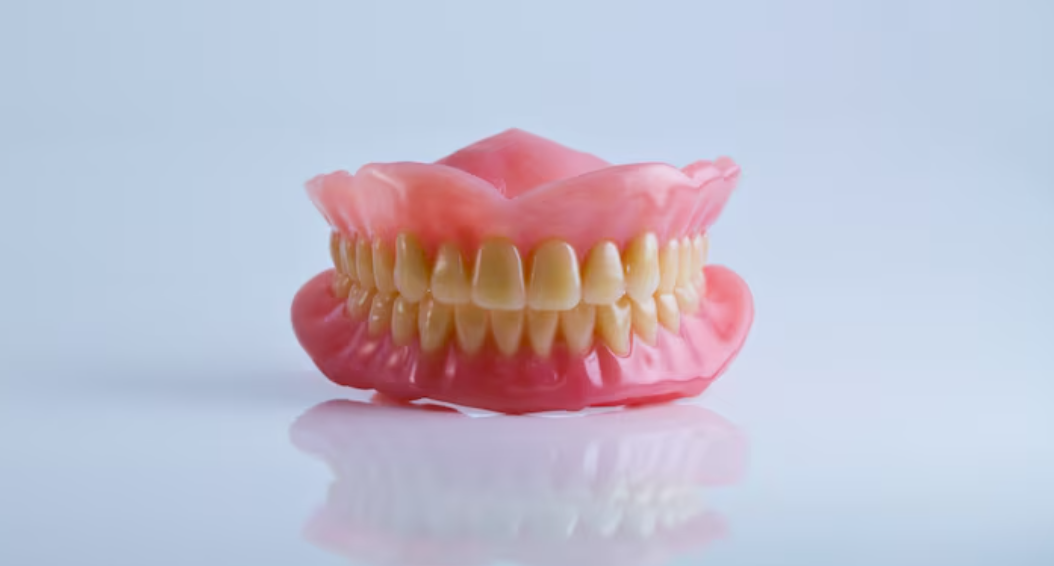
A straight, healthy-looking smile is often the result of commitment, patience, and professional orthodontic care. Whether you have completed braces, clear aligner treatment, or another type of orthodontic correction, keeping your teeth in their new positions is an important part of long-term dental care. This is where retainers play an essential role. Choosing the right retainers for teeth can help preserve your results and reduce the chances of your teeth gradually shifting over time.
Today, patients also have more convenient options for replacing and maintaining their orthodontic appliances. For people who want flexibility, retainers online can provide an accessible way to explore replacement options without making every step of the process difficult. However, understanding the different types of retainers, proper care, and the importance of professional guidance can help you make a more informed decision.
Why Retainers Are Important
After orthodontic treatment, your teeth are not automatically fixed permanently in their new positions. The tissues and supporting structures around your teeth need time to adapt. Even after this adjustment period, natural changes can occur throughout life. Teeth may gradually move because of aging, pressure from surrounding teeth, changes in your bite, or other factors.
Retainers are designed to help hold teeth in their corrected positions. Wearing them according to your orthodontist's instructions can help maintain the alignment achieved during treatment. Without consistent retainer use, some patients may notice small changes in their smile, while others could experience more noticeable movement.
For this reason, retainers for teeth should be considered an important part of orthodontic aftercare rather than an optional accessory.
Types of Dental Retainers
There are several common types of retainers, and the most suitable option depends on your dental needs and treatment history.
Clear retainers are made from transparent plastic and are designed to fit closely over the teeth. Because they are less noticeable, they are popular among adults and teenagers who prefer a discreet appliance. They can also be removed for eating and cleaning.
Traditional removable retainers may use a combination of acrylic and wire. These retainers are adjustable in some circumstances and can be durable when cared for correctly.
Fixed retainers are attached to the back surfaces of certain teeth. They remain in place and provide continuous support without requiring the patient to remember to put them in. However, cleaning around a fixed retainer requires careful attention.
Your dental or orthodontic professional can help determine which option is appropriate for your specific situation.
The Convenience of Retainers Online
Modern dental services have made it easier for consumers to explore orthodontic products from home. Searching for retainers online can be especially convenient when you need a replacement for a lost, damaged, or worn appliance.
Ordering retainers online may save time and provide access to different options. However, convenience should not replace proper dental evaluation. A retainer needs to fit correctly to perform its intended function. If your teeth have shifted significantly, simply ordering a new appliance without professional assessment may not provide the results you expect.
When considering retainers online, look for services that provide clear information about their process, materials, fitting requirements, and professional involvement. A reliable provider should make it easy to understand what information is needed before producing a retainer.
When Should You Replace a Retainer?
Retainers do not last forever. Over time, regular use can cause plastic retainers to become scratched, cloudy, warped, or damaged. A retainer may also become uncomfortable if its shape changes.
If your retainer no longer fits properly, feels unusually tight, develops cracks, or has visible damage, it may be time to replace it. You should also avoid continuing to use a damaged appliance if it causes pain or places unusual pressure on your teeth.
People who have lost their original retainer may also need a replacement quickly. Teeth can begin shifting when they are no longer being supported, so contacting a dental professional promptly can help protect your orthodontic results.
Proper Retainer Care
Taking care of your retainer can extend its useful life and help maintain good oral hygiene. Always follow the cleaning instructions provided with your appliance.
Removable retainers should generally be cleaned regularly to remove saliva, bacteria, and buildup. Avoid exposing plastic retainers to excessive heat because high temperatures can distort their shape. For example, leaving a retainer in a hot vehicle or cleaning it with very hot water can potentially damage the material.
When you are not wearing a removable retainer, keep it in its protective case. This reduces the chance of accidental damage and makes it less likely that the appliance will be misplaced.
You should also keep your retainer away from pets. Dogs and other animals may be attracted to the smell of dental appliances and can easily chew or damage them.
Getting the Right Fit
A properly fitting retainer should feel secure without causing unnecessary discomfort. It is normal for a retainer to feel slightly snug, particularly after you have not worn it for a short period. However, significant pain, pressure, or difficulty putting the appliance into position should not be ignored.
If your retainer suddenly does not fit, do not force it into place. Teeth may have moved, or the retainer itself may have changed shape. In these situations, professional dental advice can help determine the next step.
The quality of the impression or digital scan used to create a retainer can also affect the final fit. Accurate information is essential when ordering retainers online because the appliance is made to match the shape and position of your teeth.
How Often Should You Wear a Retainer?
Retainer schedules vary from person to person. Some patients may initially be instructed to wear their retainer for most of the day and later transition to nighttime use. Others may have a different schedule based on their orthodontic history.
The most important thing is consistency. Your teeth can shift when retainers are repeatedly forgotten or used irregularly. Establishing a simple routine, such as wearing a removable retainer at the same time each evening, can make long-term maintenance easier.
If you are unsure how often you should wear your retainer, ask your orthodontist or dental professional for personalized guidance.
Retainers as a Long-Term Investment
Orthodontic treatment can require significant time and effort. Once you have achieved a straighter smile, protecting that result makes sense. A retainer is a relatively simple appliance that can support the long-term stability of your orthodontic correction.
Whether you choose traditional retainers for teeth through a dental provider or explore retainers online for convenience, the goal should always be the same: maintaining your smile safely and comfortably.
It is also important to remember that retainers do not replace regular dental care. Continue brushing, flossing, attending dental checkups, and following professional recommendations. Healthy teeth and gums provide the foundation for a healthy-looking smile.
Conclusion
Retainers are an important part of maintaining orthodontic results long after braces or aligners are finished. The right retainer can help keep teeth aligned and reduce unwanted movement over time. Understanding your options, caring for your appliance properly, and following your dental professional's instructions can make retainer use easier and more effective.
For patients seeking convenience, retainers online may offer a practical option for replacement and ongoing orthodontic maintenance. However, proper fit and professional guidance should remain priorities when choosing any dental appliance.
With consistent care and responsible retainer use, you can help protect the investment you have made in your smile and enjoy your orthodontic results for years to come.

 English
 Arabic
 French
 Spanish
 Portuguese
 Deutsch
 Turkish
 Italiano
 Russian
 Romaian
 Portuguese (Brazil)
 Greek
Greek
