


Natural Oak vs Honey Oak: Understanding the Difference and the Beauty of South American Hardwood
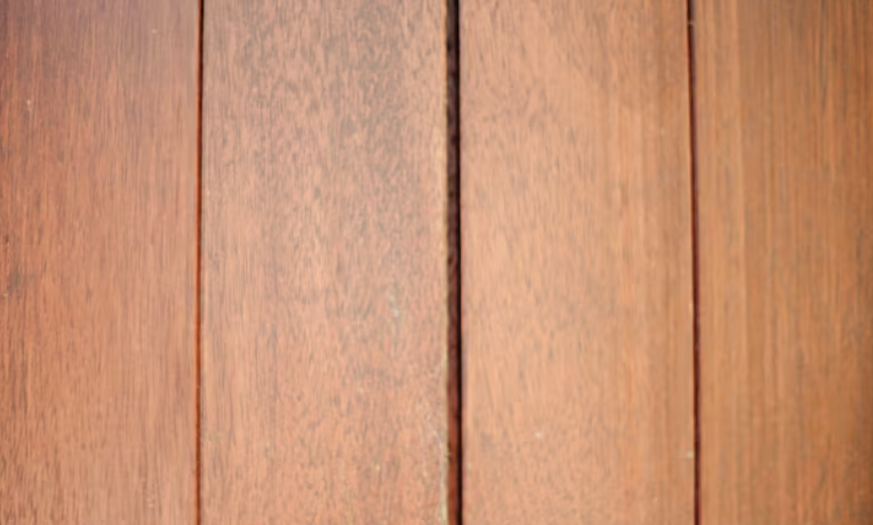
Choosing the right wood for flooring, furniture, cabinetry, or interior accents can have a major impact on the appearance and atmosphere of a space. Among the many wood finishes available, oak remains a popular choice because of its recognizable grain, durability, and timeless character. Two finishes that often create confusion are natural oak and honey oak. While they share a warm wood foundation, their colors and overall visual effects can be noticeably different. At the same time, homeowners and designers are increasingly exploring alternatives such as South American hardwood because of its rich appearance, strength, and variety.
Understanding the difference between natural oak and honey oak can make it easier to select a wood style that complements your design goals. It is also helpful to understand how South American hardwood compares when considering color, durability, maintenance, and long-term appeal.
Understanding Natural Oak
Natural oak generally refers to oak that retains a relatively authentic representation of the wood's original appearance. Rather than emphasizing a strong golden or amber tone, a natural oak finish allows the grain and inherent color variations of the wood to remain visible. Depending on the species and finishing process, natural oak can range from light beige and cream to soft tan and subtle brown.
One of the biggest advantages of natural oak is its versatility. Its balanced coloring can work with traditional, transitional, modern, and contemporary interiors. Because it does not necessarily have an intense yellow or orange undertone, natural oak can create a lighter and more relaxed atmosphere.
Natural oak also highlights the characteristic grain patterns associated with oak. Knots, mineral variations, and subtle color differences can contribute to a more authentic appearance. For people who want wood to look natural rather than heavily stained, this finish can be an attractive option.
Understanding Honey Oak
Honey oak is typically warmer and more golden than natural oak. The term describes an oak appearance with noticeable yellow, amber, or golden undertones. This look became especially popular in traditional interiors and homes where warm wood tones were used extensively for floors, cabinets, doors, and trim.
The warmth of honey oak can make a room feel comfortable and inviting. However, its stronger golden undertones may have a greater influence on the overall color palette of a room. Paint colors, furniture, countertops, and lighting can all appear different when placed beside warm honey-colored wood.
When comparing natural oak vs honey oak, the primary visual difference is usually the warmth and intensity of the color. Natural oak tends to appear more neutral and understated, while honey oak has a richer golden character. Neither option is inherently better; the right choice depends on the desired style.
Natural Oak vs Honey Oak in Interior Design
The choice between natural oak vs honey oak often comes down to the mood a homeowner wants to create. Natural oak can support a clean, airy, and contemporary appearance. It works particularly well when the goal is to keep the room visually bright and allow other design elements to stand out.
Honey oak, by contrast, can create a cozy and traditional environment. Its warm coloring can pair nicely with earthy colors, classic furnishings, cream tones, and other warm materials. However, if a space already contains many warm colors, honey oak may make the room feel more heavily saturated.
Lighting is another important consideration. Natural light can make both finishes look different throughout the day. Artificial lighting may emphasize the golden qualities of honey oak, while natural oak may maintain a more neutral appearance.
Why Consider South American Hardwood?
South American hardwood represents a broad category of woods originating from countries and regions across South America. Different species can offer dramatically different colors, grain patterns, densities, and performance characteristics. Some varieties are known for deep reddish-brown tones, while others feature golden, chocolate, or naturally varied coloring.
One reason people consider South American hardwood is its distinctive appearance. Unlike more familiar domestic woods, many South American species offer unique grain structures and naturally rich colors. This can give flooring, furniture, and architectural features a strong visual identity.
Another consideration is durability. Certain South American hardwood species are naturally dense and hard, making them suitable for applications where resistance to everyday wear is important. However, because "South American hardwood" includes many different species, performance should always be evaluated based on the specific wood being selected.
Comparing Oak With South American Hardwood
When comparing oak with South American hardwood, color is often one of the first differences people notice. Oak frequently provides a recognizable grain with light-to-medium natural coloring, while many South American hardwoods can provide deeper and more dramatic shades.
Oak also offers considerable flexibility because it can accept different stains and finishes. This allows homeowners to customize its appearance. Natural oak can provide a subtle look, while honey oak creates a warmer visual effect.
South American hardwood may require less emphasis on staining because some species already have naturally striking colors. The wood itself can become a major design feature rather than simply serving as a neutral background.
Durability is another factor worth considering. Some South American hardwoods are extremely dense, but not every species has the same characteristics. Oak is also valued for its strength and long-standing use in flooring and furniture. Therefore, the specific species, grade, finish, installation method, and intended application should all be considered.
Choosing the Right Wood for Your Space
When deciding between natural oak, honey oak, and South American hardwood, begin by looking at the existing design of the room. Consider wall colors, cabinetry, furniture, countertops, fabrics, and natural lighting.
Natural oak may be a strong choice for someone who wants a neutral wood appearance that can adapt to changing décor. It can work particularly well in spaces where simplicity and brightness are priorities.
Honey oak may be more appropriate for someone who prefers warmth and a classic atmosphere. Its golden coloring can bring a comfortable character to kitchens, living rooms, dining areas, and other spaces.
South American hardwood can be appealing when the goal is to introduce distinctive natural color and grain. It can serve as a statement material in flooring, furniture, stairs, doors, or architectural details.
Maintenance and Long-Term Appearance
Regardless of the wood selected, proper maintenance is important for preserving its appearance. Regular cleaning should follow the recommendations for the specific flooring or wood finish. Excessive moisture, harsh cleaning chemicals, and abrasive materials can potentially damage wood surfaces.
It is also important to remember that wood naturally changes over time. Exposure to sunlight and indoor conditions can influence color. This means the appearance of a newly installed floor may evolve as it ages.
Before making a final selection, viewing physical samples under the actual lighting conditions of the room can be helpful. Digital images and showroom lighting may not accurately represent how a wood finish will look in a particular home.
Making a Confident Choice
There is no universal winner when comparing natural oak vs honey oak. Natural oak offers a softer and more neutral appearance, while honey oak provides stronger golden warmth. The best option depends on the existing décor, desired atmosphere, lighting, and personal preferences.
South American hardwood provides another direction for those who want distinctive natural colors, grain patterns, and potentially high durability. Because the category includes many different species, researching the exact hardwood is essential before making a purchase.
Ultimately, wood should be selected not only for its initial appearance but also for how it will complement a space over many years. Whether the goal is the understated character of natural oak, the inviting warmth of honey oak, or the dramatic beauty of South American hardwood, choosing carefully can create an interior that feels cohesive, durable, and timeless.

 English
 Arabic
 French
 Spanish
 Portuguese
 Deutsch
 Turkish
 Dutch
Dutch
 Italiano
 Russian
 Romaian
 Greek
Greek
