


Who Really Has Access to Your Nashville Commercial Property? The Security Gap Many Businesses Miss
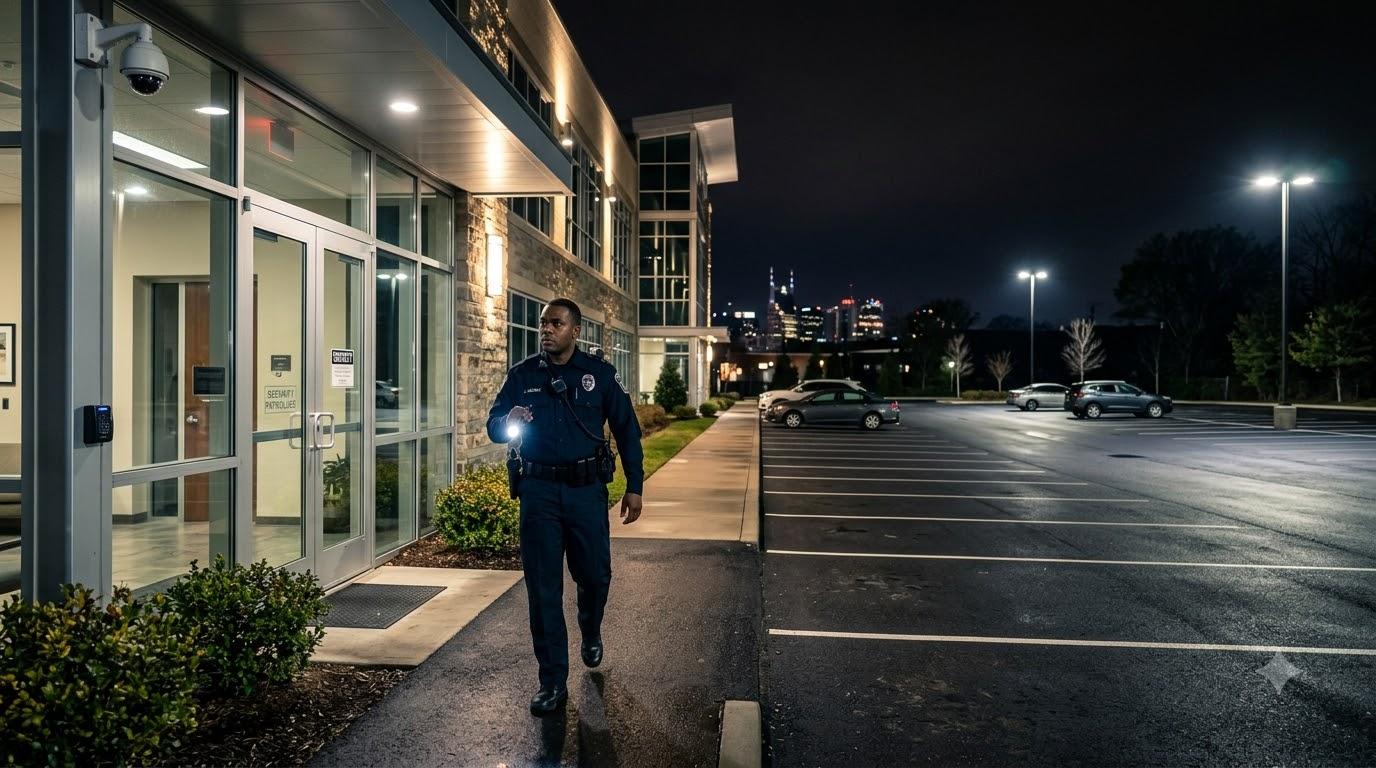
A commercial property can have cameras on every corner and still have a basic security problem: too many people may be able to get inside without being properly verified. When reviewing security measures for Nashville commercial properties, access control deserves just as much attention as surveillance. Employees, vendors, contractors, delivery drivers, customers, and visitors may all have legitimate reasons to enter a property, but that does not mean everyone should have unrestricted access.
For Nashville businesses, creating a secure property starts with knowing who should be there, where they should be, and when they should have access.
The Access Problem Is Bigger Than a Locked Door
Many businesses think access control means locking the front entrance.
That is only the beginning.
A commercial property can have multiple doors, loading areas, employee entrances, parking garages, storage rooms, offices, and restricted areas. Once several groups of people begin moving through these spaces every day, keeping track of access becomes much harder.
Consider a typical commercial building.
An employee arrives through one entrance. A cleaning crew comes through another. A contractor needs temporary access to a restricted area. A delivery driver needs to reach the loading dock. A visitor is waiting in the lobby.
Everyone may have a legitimate reason to be on the property—but without a clear system, it can become difficult to distinguish authorized activity from something that does not belong.
Visitors Shouldn't Be Able to Wander Unchecked
Visitors are a normal part of business operations.
The problem starts when there is no consistent process for managing them.
Someone enters the lobby and says they are meeting an employee. Another person follows behind a group through a secured entrance. A contractor arrives without the manager who was supposed to meet them.
Employees may feel uncomfortable challenging unfamiliar people, particularly when they are busy.
A trained security officer can provide a professional point of contact.
Depending on the property's procedures, an officer can monitor entrances, verify visitors, direct guests to the appropriate area, and help prevent unauthorized individuals from accessing restricted spaces.
This creates a more controlled environment without making legitimate visitors feel unwelcome.
Contractors and Vendors Create Another Challenge
Commercial properties often depend on outside workers.
Construction crews, maintenance companies, delivery services, cleaning personnel, technicians, and other vendors may need temporary access.
The difficulty is that temporary access can become difficult to monitor.
Who approved the contractor?
Which area do they need to enter?
How long should they remain on-site?
Who is responsible for confirming their departure?
Businesses can reduce confusion by establishing procedures for vendor identification, approved work areas, visitor logs, and temporary access.
Security personnel can help enforce those procedures and bring unusual situations to management's attention.
That can be especially useful for properties with frequent contractor or delivery activity.
Don't Forget About Restricted Areas
Not every part of a commercial property should have the same level of access.
Storage rooms, server rooms, equipment areas, offices containing sensitive information, inventory spaces, and employee-only sections may require additional protection.
Yet these areas are sometimes treated like ordinary parts of the building.
A stronger approach is to divide the property into access zones.
For example:
Public areas: Spaces where customers and visitors are normally allowed.
Controlled areas: Locations accessible to employees or approved visitors.
Restricted areas: Spaces requiring specific authorization.
Once these zones are established, security personnel can help monitor movement and discourage unauthorized access.
The goal is simple: someone being allowed into the building should not automatically mean they are allowed everywhere inside it.
Tailgating Can Undermine Good Access Systems
Even properties with electronic access controls can face a simple problem: people following someone else through a secured entrance.
An employee scans a badge.
The door opens.
Someone walks in behind them.
The system may register only the authorized employee, even though two people entered.
This is sometimes called tailgating or piggybacking.
Employees can be trained to avoid allowing unknown individuals to follow them through secured doors, but busy workplaces do not always enforce these practices consistently.
A visible security presence can provide another layer of oversight at important entrances and help reinforce access procedures.
Security Should Support Your Employees, Not Burden Them
Business owners sometimes hesitate to introduce stricter access procedures because they worry about slowing down employees or frustrating customers.
That is understandable.
Security should not make normal business operations unnecessarily difficult.
The solution is to design procedures around the way the property actually operates.
A professional security team can help determine where an officer is most useful, when access monitoring is necessary, and which areas require additional attention.
For example, a busy office may benefit from lobby security during peak hours. A warehouse may need access monitoring around loading operations. A retail property may require security near entrances and customer areas.
The goal is not maximum restriction.
It is controlled and appropriate access.
What Happens When Someone Refuses to Follow the Rules?
This is where having trained security personnel can become particularly valuable.
Employees may not know how to respond when a visitor refuses to leave a restricted area or someone attempts to enter without authorization.
Confronting an unknown person can also create unnecessary risk for employees.
Security officers are there to handle security-related situations professionally, follow established procedures, document incidents, and involve appropriate authorities when necessary.
That gives employees a clear alternative to handling potentially difficult situations themselves.
Build an Access Strategy Around Your Property
There is no single access-control strategy that works for every Nashville commercial property.
The right approach depends on factors such as:
- Number of entrances
- Property size
- Operating hours
- Employee traffic
- Visitor volume
- Contractor activity
- Valuable equipment or inventory
- Restricted areas
- Previous security concerns
A property with dozens of daily deliveries may need a different strategy from a professional office with controlled visitor traffic.
This is why a customized security assessment can be more useful than simply purchasing another piece of security equipment.
Give Your Business a Human Layer of Protection
Technology can control doors. Cameras can provide visibility. Alarms can notify you when something happens.
But trained security personnel provide something technology cannot fully replace: a person who can observe what is happening in real time and respond according to the property's security procedures.
First Class Security provides armed and unarmed security services, mobile patrols, and customized security solutions for commercial properties throughout Nashville and Middle Tennessee.
If you are unsure who has access to your property—or whether your current procedures are actually being followed—it may be time to review your security strategy.
Because protecting a commercial property isn't simply about keeping the wrong people outside.
It's about making sure the right people can get where they need to go, while everyone else is properly identified, monitored, and managed.

 English
 Arabic
 Spanish
 Portuguese
 Deutsch
 Turkish
 Dutch
Dutch
 Italiano
 Russian
 Romaian
 Portuguese (Brazil)
 Greek
Greek