


Stüssy: The Brand That Built Streetwear Culture
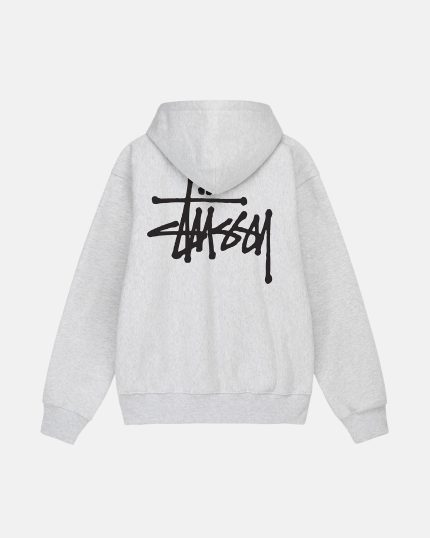
Long before "streetwear" became a billion-dollar global industry with hype drops, resale markets, and celebrity collaborations, there was Stüssy—a small surf-inspired brand born on the beaches of Southern California. What started as a signature scrawled on custom surfboards in the early 1980s eventually grew into one of the most influential and enduring names in fashion history. Stüssy didn't just sell clothes; it built a culture, a community, and a template that nearly every streetwear brand since has followed in some form.
The Origins: From Surfboards to T-Shirts
Stüssy was founded by Shawn Stüssy, a surfboard shaper from Laguna Beach, California. In the early 1980s, Shawn began hand-shaping surfboards and signing them with his distinctive, graffiti-style signature—a stylized scrawl that would later become one of the most recognizable logos in fashion. This signature wasn't just a brand mark; it was inspired by the tag of famed graffiti artist Dean Cornwell "Chalk Line" style influences and Shawn's own father's signature, giving it an organic, personal touch that resonated with the underground culture of the time.
Recognizing that people loved the look of his signature, Shawn began printing it onto T-shirts to promote his surfboard business. These shirts were sold out of the trunk of his car at surf spots along the California coast. What began as a marketing tool for surfboards quickly took on a life of its own, as the T-shirts became more popular than the boards themselves.
The Birth of a Movement
The real turning point came when Shawn Stüssy partnered with Frank Sinatra Jr.—no, not the singer, but a young entrepreneur named Frank Sinatra (a coincidental name)—well known in streetwear folklore as one of the earliest business partners who helped Shawn expand distribution. More accurately, it was collaborators like Frank Sinatra Jr. and later marketing figure Jerome "Jerry" Nolan who helped Shawn take Stüssy from a garage operation to an international brand.
What set Stüssy apart in the mid-to-late 1980s was its "International Stüssy Tribe" concept. Shawn and his collaborators reached out to like-minded creatives, DJs, artists, and cultural tastemakers across the world—from New York to London, Tokyo to Paris—and gave them Stüssy gear to wear and represent. This wasn't a paid celebrity endorsement in the modern sense; it was a genuine grassroots network of people who embodied the surf, skate, hip-hop, and punk subcultures that Stüssy represented. This international tribe became one of the earliest examples of what we'd now call "brand ambassadors" or influencer marketing, decades before social media existed.
Merging Subcultures
Stüssy's true genius lay in how it fused disparate subcultures into one cohesive aesthetic. In the 1980s and 1990s, surf culture, skateboarding, punk rock, hip-hop, and graffiti art were largely separate worlds, each with its own dress codes and unwritten rules. Stüssy became the connective tissue between them. A skater in California, a graffiti artist in New York, a hip-hop head in the Bronx, and a raver in London could all wear Stüssy and feel like they belonged to something bigger.
This cross-cultural appeal was cemented by collaborations and connections with iconic figures across music and art. Stüssy became closely associated with hip-hop culture as rap grew into a dominant cultural force, while simultaneously maintaining its roots in surf and skate communities. The brand's loose, oversized silhouettes—which were initially practical for surfing and skating—became a defining aesthetic that would go on to influence mainstream fashion for decades.
The Rise of Streetwear as an Industry
Stüssy Clothing is widely credited as one of the founding brands of what we now call "streetwear." Alongside contemporaries, it helped establish many of the conventions that define the genre today: limited product drops, exclusive collaborations, a strong emphasis on branding and logos, and a deep connection to youth subcultures rather than traditional fashion houses.
The brand's approach to scarcity and exclusivity—releasing limited quantities of certain designs—created a sense of urgency and desirability that predated the modern hype-drop culture popularized by brands like Supreme. In many ways, Supreme and countless other streetwear labels that emerged in the 1990s and 2000s owe a direct debt to the blueprint Stüssy established.
Global Expansion and Chapter Stores
As Stüssy's popularity grew internationally, the brand opened standalone "Chapter Stores" in major cities around the world, including Tokyo, London, Paris, and New York. Each store often had a slightly different, localized product mix and aesthetic while still maintaining the core Stüssy identity. This global network reinforced the brand's international tribe concept and helped it maintain relevance across different fashion markets and cultural contexts.
Tokyo in particular became a major hub for Stüssy's growth. Japanese streetwear culture, which was rapidly developing in the 1990s, embraced Stüssy wholeheartedly, and the brand's Japanese chapter became known for high-quality, sought-after releases that often differed from the American line.
Collaborations and Continued Relevance
Over the decades, Stüssy has maintained its cultural relevance by collaborating with an impressive range of brands and designers—from Nike and Dior to Comme des Garçons and Our Legacy. These partnerships have allowed the brand to reach new generations while still appealing to longtime fans who remember its underground roots. Unlike many brands from the same era that faded into obscurity or became purely nostalgic novelties, Stüssy has managed to stay genuinely relevant in contemporary fashion conversations.
The brand's logo—that same graffiti-inspired signature from Shawn Stüssy's surfboards—remains instantly recognizable today, appearing on everything from T-shirts and hoodies to hats and accessories. It has become a symbol not just of a clothing brand, but of an entire era of youth culture and creative independence.

 English
 Arabic
 French
 Spanish
 Portuguese
 Deutsch
 Turkish
 Dutch
Dutch
 Russian
 Romaian
 Portuguese (Brazil)
 Greek
Greek
