


Office furniture Choices For A Smarter And More Comfortable Office
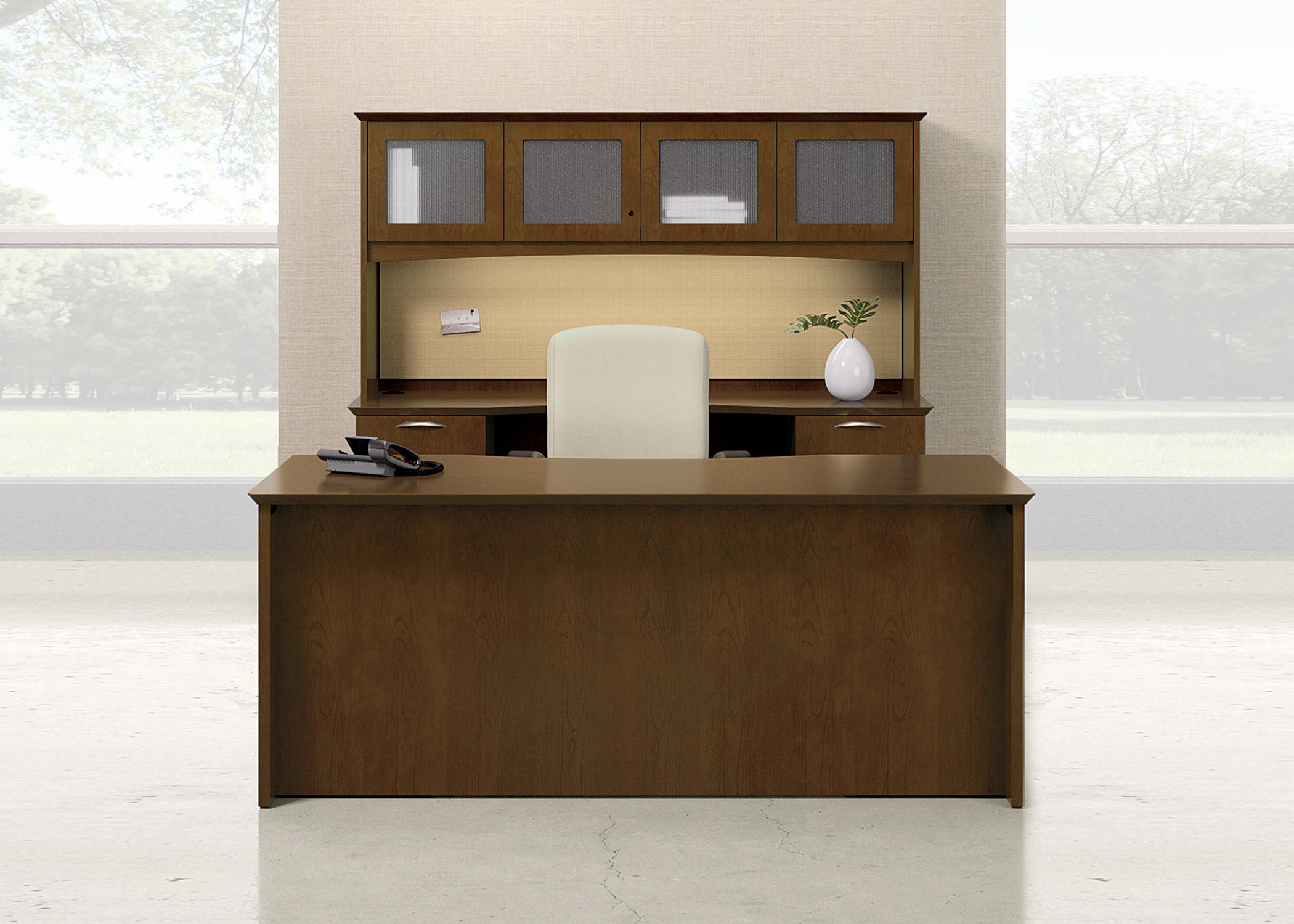
A good office should make everyday work easier, more comfortable, and more organized. Office furniture is one of the main elements that shapes this experience because employees depend on desks, chairs, workstations, storage units, and meeting tables throughout the working day. The right combination can improve the use of available space while giving the workplace a professional and welcoming appearance.
Furniture selection should be connected to the way a business actually operates. A company that depends on individual computer work may need well-planned workstations, while a business with frequent meetings may require larger conference areas. Some offices need extensive document storage, while others benefit more from flexible shared spaces. Understanding these differences allows businesses to create a workplace that supports its daily activities instead of simply filling rooms with furniture.
Matching Furniture With Employee Work Styles
Employees perform different tasks, even when they work within the same department. Some may spend most of their time handling documents, others may work with multiple screens, and some may frequently communicate with clients or colleagues. Their furniture should provide enough space and functionality for these responsibilities.
Workstations should offer an appropriate surface for computers and other equipment. Employees also need sufficient room to move their chairs and access nearby storage. When furniture is too large, it can restrict movement. When it is too small, employees may struggle to organize their working materials.
Flexible furniture can be useful when employees have changing responsibilities. Mobile storage, adjustable seating, and modular desks can make it easier to accommodate different working preferences without completely changing the office layout.
Choosing Seating With Everyday Comfort In Mind
Office chairs are used for long periods, making comfort an important consideration. A suitable chair should provide appropriate support and allow users to adjust key features when possible.
Adjustable height can help employees position themselves comfortably in relation to their desks. Back support can also make a difference during extended work sessions. Armrests and seat adjustments may provide additional flexibility for different users.
Businesses should also consider seating outside individual workstations. Reception chairs should make visitors comfortable, while conference chairs should support employees and clients during meetings. Lounge seating can create a more relaxed environment for informal conversations or short breaks.
Selecting Desks According To Available Space
The size of a desk should be appropriate for both the employee's responsibilities and the room. A desk needs to provide enough working surface without occupying unnecessary floor space.
Compact desks can be suitable for smaller offices, while larger work surfaces may be useful for managers or employees who handle several documents and devices. Shared workstation systems can accommodate multiple employees while maintaining organized individual areas.
Desk placement should be planned carefully. Businesses should consider walking routes, doors, windows, electrical outlets, lighting, and access to storage. A well-positioned desk can make a room easier to navigate and reduce unnecessary congestion.
Improving Storage And Workplace Organization
Storage is often overlooked during office planning, but it can have a major effect on organization. Employees need places for documents, stationery, files, equipment, and personal belongings.
Filing cabinets can keep important paperwork arranged, while cupboards can store larger supplies. Shelving can make frequently used materials easy to access, and mobile pedestals can provide personal storage near desks.
The location of storage matters as much as its capacity. Frequently used supplies should remain accessible, while archived materials can be placed farther away. This approach can reduce clutter around primary work areas and make daily tasks more efficient.
Creating A Professional Reception Area
A reception area should combine practical functionality with a welcoming appearance. Visitors often form their first impression of a business from this space, so furniture selection can influence how professional the company appears.
A reception desk should provide enough room for computers, documents, telephones, and other equipment used by reception staff. It should also allow comfortable interaction between staff members and visitors.
Visitor seating should be arranged with enough space for movement. Chairs should be comfortable without making the area feel crowded. Small tables or side units can provide additional convenience without taking up excessive floor space.
The design should also reflect the character of the company. Clean and simple furniture can create a professional atmosphere, while warmer finishes may give the reception area a more relaxed feel.
Making Conference Rooms More Practical
Conference rooms should be designed around communication and collaboration. The conference table should accommodate the expected number of participants while leaving enough space for chairs and movement.
The shape of the table can influence how people interact. Rectangular tables may work well for larger meetings, while round or compact tables can create a more informal atmosphere for smaller discussions.
Comfortable conference chairs are equally important. Meetings can sometimes last longer than planned, so seating should provide adequate support. Technology should also be considered, particularly for offices that use video calls and digital presentations.
Cable management can help maintain a clean meeting environment. Power access and equipment placement should be planned before furniture is installed.
Supporting Team Collaboration
Many businesses need areas where employees can work together outside their individual desks. Collaborative furniture can create dedicated spaces for brainstorming, quick discussions, and project work.
Shared tables can provide flexible work surfaces, while smaller discussion tables can support short meetings. Comfortable lounge furniture can encourage informal communication and give employees an alternative setting for certain tasks.
Collaborative spaces should be positioned carefully. They should be convenient for employees but should not create excessive noise near areas that require concentration. A thoughtful layout can allow focused work and teamwork to take place within the same office.
Making Smaller Offices More Efficient
Limited office space requires careful furniture planning. Oversized desks and large storage units can quickly make a small room difficult to navigate.
Businesses can use compact workstations, vertical storage, mobile furniture, and multifunctional pieces to make better use of available space. A flexible table, for example, may be used for meetings, shared tasks, or temporary project work.
Clear walkways should always be maintained. Furniture should not block doors, windows, electrical outlets, or necessary access routes. Measuring the room before purchasing can help avoid problems with dimensions.
Small offices can still look professional when furniture is selected with attention to scale, spacing, and purpose.
Considering Durability And Maintenance
Workplace furniture is exposed to regular use, so durability should be part of the purchasing process. Desks, chairs, cabinets, and tables need to withstand daily activity without quickly losing their usefulness or appearance.
The material should be appropriate for the environment. High-traffic areas may require particularly durable finishes, while private offices may allow more decorative options.
Maintenance is another consideration. Easy-to-clean surfaces can help businesses keep shared spaces looking presentable. Durable construction can also reduce the need for frequent repairs and replacements.
Businesses should aim for furniture that provides reliable performance while remaining practical to maintain.
Creating A Unified Office Appearance
A consistent interior can make an office look more organized and professional. Businesses do not need to use exactly the same furniture everywhere, but related materials and finishes can create visual harmony.
Workstations, storage cabinets, meeting tables, and reception furniture can use complementary colors or finishes. Different seating designs can then add variety while still fitting into the overall theme.
A coordinated workplace can also support brand presentation. Clients and visitors may notice the office environment before interacting with employees, so a well-maintained and thoughtfully furnished space can strengthen the professional impression of the business.
Preparing For Future Changes
Workplaces can change as companies grow. Employee numbers may increase, departments may move, and new working methods may be introduced. Furniture should ideally provide enough flexibility to accommodate these changes.
Modular workstations can be rearranged when teams expand. Mobile tables and storage units can be moved to different areas when necessary. Flexible furniture can therefore reduce the disruption associated with workplace changes.
Businesses should not purchase unnecessary items simply because they may need them later. Instead, they can select adaptable furniture that provides value in several possible layouts.
Making Furniture Purchases More Valuable
The cheapest furniture is not always the most economical choice. Businesses should look at the complete value of a product, including its durability, comfort, maintenance requirements, functionality, and suitability for the office.
A poorly sized desk may require replacement if it does not fit the workspace. An uncomfortable chair may create dissatisfaction among employees. A storage unit that lacks sufficient capacity may fail to solve the original organization problem.
Careful planning before purchasing can prevent these issues. Businesses should measure rooms, identify priorities, determine employee requirements, and consider how different furniture pieces will work together.
Creating An Office Ready For Everyday Work
A successful workplace combines practical planning with a comfortable environment. Desks should provide suitable working surfaces, chairs should support regular use, storage should keep important materials organized, and meeting areas should encourage communication.
Furniture should also complement the available space. A well-planned layout can make movement easier and help employees use different areas without unnecessary interruptions.
Businesses that focus on comfort, durability, flexibility, organization, and appearance can create an environment that remains useful for years. The goal is not simply to make an office look attractive but to build a space that supports people and business activities every day.
For companies looking for suitable workplace solutions, Office furniture express can be considered when exploring furniture options for different office requirements. With thoughtful selection and careful space planning, businesses can create a workplace that feels organized, professional, comfortable, and ready to support future growth.

 English
 Arabic
 French
 Portuguese
 Deutsch
 Turkish
 Dutch
Dutch
 Italiano
 Russian
 Romaian
 Portuguese (Brazil)
 Greek
Greek