


Office Furniture For Productive And Comfortable Philippine Workspaces
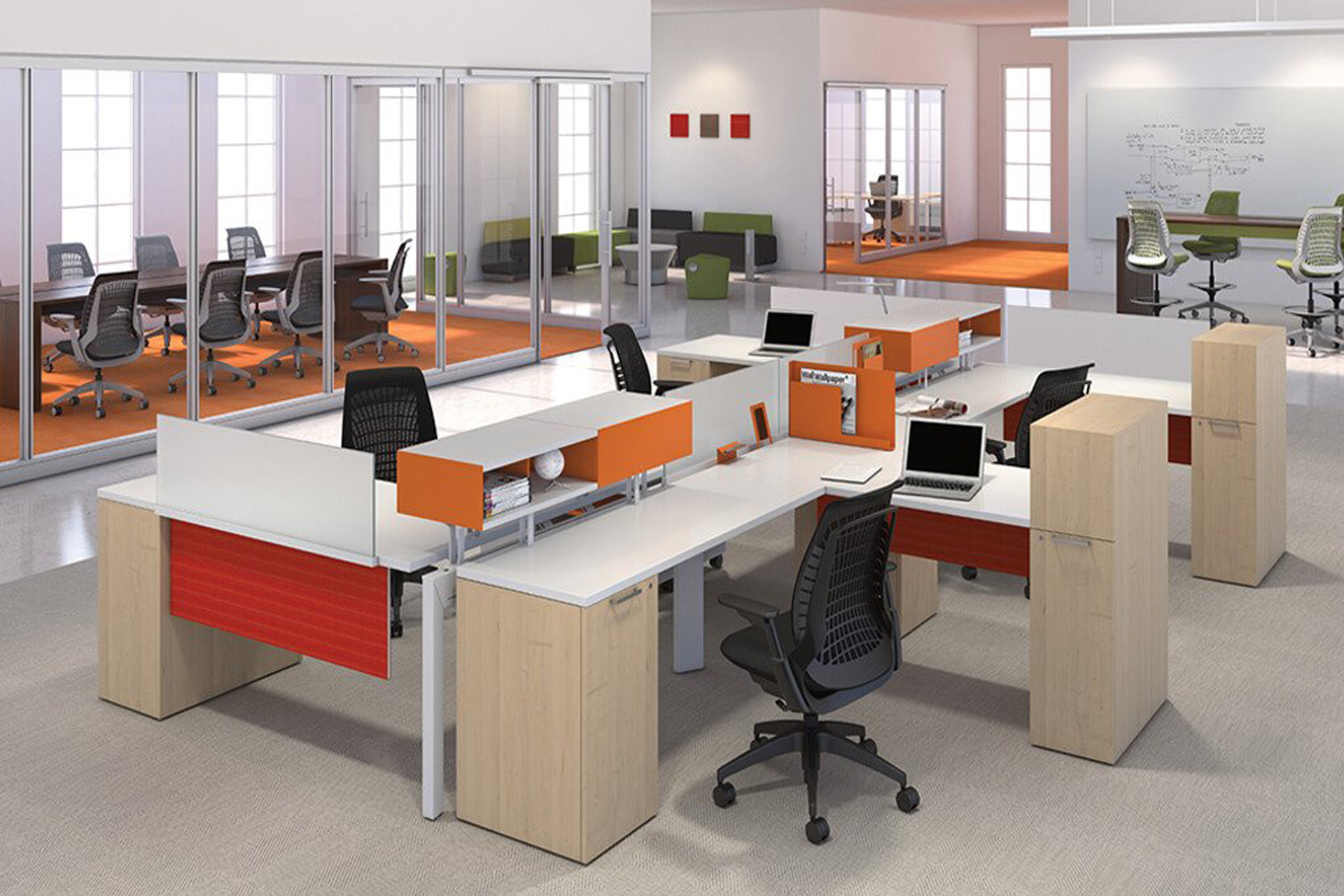
Creating a productive workplace requires more than arranging desks and chairs in an open room. The right workspace should support concentration, communication, comfort, organization, and the daily needs of employees. Office furniture plays an important role in creating this type of environment because every workstation, storage unit, meeting table, and seating option contributes to how people use the office. A thoughtfully planned workplace can make employees feel more comfortable while also helping businesses maintain a professional appearance. For companies in the Philippines, choosing furniture that suits the available space, work culture, climate, and business requirements can make a noticeable difference in everyday operations.
Choosing Furniture That Matches Your Workspace
Every office has different requirements, so there is no single furniture arrangement that works for every business. A small startup may need compact desks and flexible seating, while a larger company may require dedicated workstations, conference tables, reception furniture, storage cabinets, and private executive areas. Before purchasing anything, businesses should consider the size and shape of the office. Measuring the available space helps prevent overcrowding and allows employees to move comfortably between work areas. It is also useful to consider natural lighting, electrical outlets, walkways, doors, windows, and shared facilities before deciding where individual furniture pieces should be placed.
A practical office layout should provide enough personal working space without making the room feel unnecessarily empty. Workstations can be arranged according to departments, communication needs, and employee roles. Collaborative teams may benefit from layouts that keep colleagues close together, while employees who require concentration may need quieter areas. Reception areas should create a welcoming first impression, while meeting rooms should provide enough seating for discussions without making the room feel cramped. A balanced layout can improve movement throughout the workplace and make better use of the available floor area.
Ergonomic Features That Support Employees
Employee comfort should be one of the main considerations when selecting workplace furniture. People often spend several hours at their desks, so poorly designed workstations can make everyday tasks uncomfortable. Ergonomic chairs with suitable back support, adjustable height, comfortable seating surfaces, and appropriate arm support can help employees maintain a better sitting position. Desks should also provide enough surface area for computers, documents, stationery, and other equipment used throughout the day.
Monitor placement is another important consideration. Screens should generally be positioned at a comfortable height and distance to reduce unnecessary neck movement. Employees should have sufficient legroom beneath their desks and enough space to change position during the working day. Adjustable furniture can be particularly useful because employees have different body sizes and working preferences. Creating a workspace around employee comfort can support better concentration and make the office more pleasant for everyone.
Office Furniture For Different Areas
A complete office requires more than individual desks. The reception area often includes a reception counter, visitor chairs, side tables, and storage solutions. Since this is usually the first area visitors see, it should reflect the professionalism and personality of the business. Comfortable seating and a clean arrangement can create a positive impression without requiring excessive decoration.
Work areas may include individual desks, benching systems, cubicles, or modular workstations. The best choice depends on the number of employees, available space, privacy requirements, and type of work performed. Managers and executives may require larger desks with additional storage, while shared departments may benefit from compact workstation systems that make efficient use of floor space.
Meeting rooms need tables and chairs that encourage comfortable communication. Conference tables should provide enough space for laptops, documents, and other meeting materials. Training rooms may require flexible furniture that can be rearranged for presentations, workshops, or group activities. Break rooms can also benefit from practical tables, chairs, cabinets, and storage areas that make employee downtime more comfortable.
Storage And Organization In The Workplace
An organized office is easier to manage and can create a cleaner professional appearance. Filing cabinets, pedestals, cupboards, shelves, and storage units help employees keep documents and supplies in designated locations. Proper storage also reduces the amount of clutter around desks and shared areas.
Businesses should consider what they need to store before selecting cabinets or shelving systems. Important documents may require secure storage, while frequently used supplies should remain easily accessible. Mobile pedestals can be useful for employees who need personal storage near their desks. Larger cabinets can provide centralized storage for departments. Choosing storage according to actual requirements prevents businesses from purchasing units that take up valuable floor space without providing practical benefits.
Materials And Durability Matter
The material used in workplace furniture affects its appearance, durability, maintenance requirements, and overall value. Laminated surfaces are commonly selected because they can provide a clean appearance while being relatively easy to maintain. Metal components can offer strength for workstation frames, filing systems, and other heavily used pieces. Upholstered seating can provide additional comfort, while durable surfaces are useful in areas that experience frequent daily use.
Businesses should also consider how furniture will perform over time. Low-quality products may require frequent repairs or replacement, increasing long-term expenses. Strong construction, reliable hardware, stable frames, and quality finishes can contribute to a longer service life. When comparing products, businesses should look beyond the initial price and consider durability, maintenance, warranty coverage, and suitability for everyday commercial use.
Creating A Professional Office Appearance
Furniture contributes significantly to the visual identity of a workplace. A consistent selection of desks, chairs, cabinets, and tables can make the office look more organized and professional. Businesses can choose styles that match their brand personality, whether they prefer a simple corporate environment, a contemporary workspace, or a warm and welcoming office.
Color and finish also influence the atmosphere of a room. Neutral finishes can create a clean and professional setting, while carefully selected accent elements can add personality without overwhelming the workspace. Consistency is especially important when an office has several departments or multiple rooms. Coordinated furniture can help different areas feel like part of the same workplace.
Making Better Use Of Small Office Spaces
Limited office space does not necessarily mean that a business must compromise on functionality. Compact desks, modular workstations, vertical storage, and multipurpose furniture can help businesses use available space more effectively. Instead of filling a small room with oversized desks, companies can select furniture based on actual employee requirements.
Flexible layouts can also make small workplaces more adaptable. A meeting area may double as a training space, while mobile tables can be moved when the room needs to support a different activity. Wall-mounted storage and vertical shelving can provide additional storage without occupying too much floor space. Careful planning allows businesses to maintain comfortable working conditions even when the available area is limited.
Office Furniture And Employee Productivity
The physical environment can influence how employees experience their working day. A comfortable chair, well-positioned desk, accessible storage, and an uncluttered layout can make routine tasks easier. When employees can reach essential items without unnecessary movement and have enough space to work, the overall workflow can become more organized.
Good furniture should support the work rather than become a distraction. Employees should have sufficient room for their equipment and personal work materials. Shared areas should be easy to access, and frequently used resources should be positioned conveniently. When the workplace is designed around practical employee needs, businesses can create an environment that supports focus and collaboration.
Planning A Budget Without Sacrificing Quality
Budget planning is an important part of any office furnishing project. Businesses should first identify essential furniture and then determine which items can be purchased according to available funds. Investing in high-use products such as desks and ergonomic chairs can be more valuable than spending heavily on decorative pieces.
It is also wise to consider future growth. A company that expects to hire more employees may benefit from modular systems that can be expanded later. Purchasing furniture that can adapt to changing requirements can reduce the need for a complete redesign when the business grows. A well-planned investment balances price, quality, durability, functionality, and future needs.
Why Local Requirements Should Influence Your Choice
Philippine businesses may have specific workplace requirements based on office size, climate, building design, employee preferences, and business operations. Furniture should therefore be selected with the local environment in mind. Materials that are easy to clean and maintain can be particularly practical in busy workplaces. Ventilation, room temperature, lighting, and available floor space should also be considered when planning the layout.
Businesses in Metro Manila and other urban areas may face limited floor space and high rental costs, making efficient layouts especially important. Companies should prioritize furniture that provides useful functionality without unnecessarily occupying valuable space. Careful planning can help businesses create professional workplaces that support both employees and visitors.
Selecting Furniture For Long-Term Value
The best purchasing decision is not always the product with the lowest price. Long-term value comes from choosing furniture that performs reliably, fits the workspace, supports employees, and remains useful as business needs change. Quality construction can reduce replacement costs, while ergonomic features can improve everyday comfort.
Before making a purchase, businesses can compare dimensions, materials, functionality, maintenance requirements, warranties, and customization options. It is also helpful to consider whether individual pieces can work together as part of a larger office layout. This approach allows companies to create a cohesive environment rather than purchasing unrelated items that may be difficult to arrange later.
Building A Better Workplace With The Right Choices
A well-planned workplace can support productivity, organization, employee comfort, and a strong professional image. The right desks, chairs, storage systems, meeting tables, and reception pieces should work together to meet the practical needs of the business. Companies should consider their available space, employee requirements, budget, design preferences, and future growth before making a final decision.
Choosing suitable furniture is therefore an important part of creating a functional office rather than simply filling an empty room. With careful planning and attention to quality, businesses can develop workspaces that remain comfortable and useful for years. For companies seeking inspiration and suitable workplace solutions, Queens arts and trends can also be considered when exploring options that complement a professional office environment.
 Arabic
 English
 French
 Spanish
 Portuguese
 Deutsch
 Turkish
 Dutch
Dutch
 Italiano
 Russian
 Romaian
 Portuguese (Brazil)
 Greek
Greek