


How Custom Boxes Can Benefit Retail Products and Brands
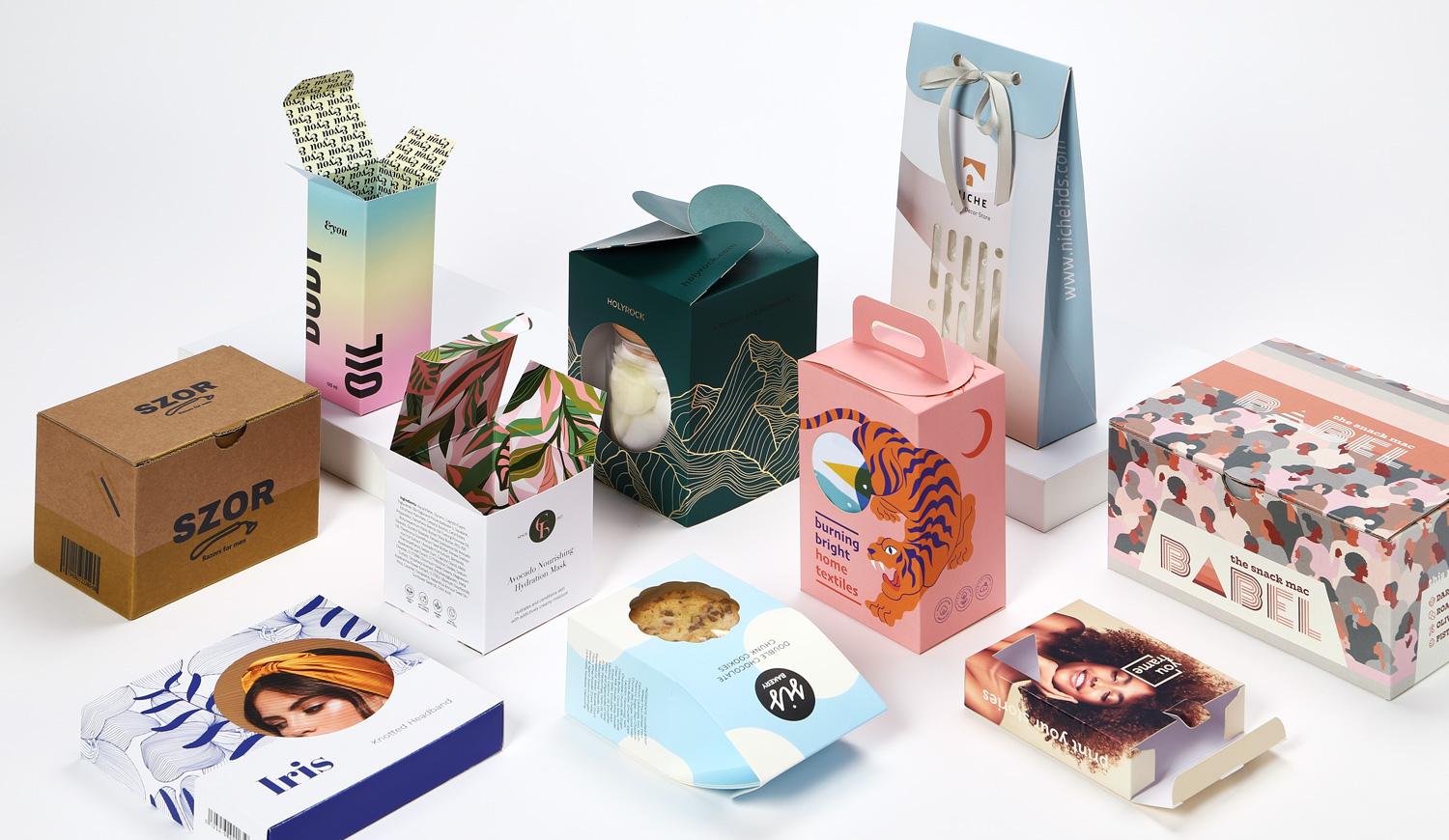
Custom boxes give retail products a defined place on the shelf while helping brands present their products in a clear and consistent way. The right box size, structure, material, and printed design can protect the product and shape how shoppers view it before they make a purchase. For retail businesses, packaging also carries important brand details such as logos, colors, product information, and usage instructions. This makes the box part of the overall product presentation rather than simply a container. Well-planned custom packaging can support shelf appeal, product protection, brand recognition, and a more consistent shopping experience.
Custom Boxes Give Retail Products a Stronger Shelf Presence
Retail shelves often contain many products competing for attention. A custom box gives a brand control over the visual presentation of its product. Instead of relying on plain packaging, businesses can select a box structure and printed design that match the product and brand identity.
Color, typography, graphics, and product imagery can work together to make important information easy to notice. A well-organized front panel can show the product name and key details without making the packaging look crowded. This helps shoppers understand what the product is and recognize the brand more easily.
The box shape also matters. A compact product may need a small folding carton, while a larger or heavier item may require a stronger cardboard structure. Matching the packaging format to the product creates a more practical retail presentation.
Packaging Helps Build Brand Recognition
Consistent packaging can help customers identify a brand across different products. When a business uses familiar colors, logos, typography, and design elements, shoppers can begin to associate those details with the company.
Custom boxes make this consistency easier to maintain. A brand can create packaging that follows its visual identity while adjusting the size and layout for different products. This approach works well for businesses with several items in the same product line.
For example, a skincare company may use similar packaging across cleansers, creams, and serums while giving each product its own name and visual detail. Customers can recognize the product family while still telling individual products apart.
The Right Box Protects Products During Handling
Retail packaging needs to do more than look good. It must also hold the product securely during storage, transportation, stocking, and customer handling.
Custom dimensions can reduce unnecessary space inside the box. A closer fit can help limit product movement, although the exact protection required depends on the product, material, and shipping conditions. Inserts, dividers, or protective features can also help keep specific products in position.
Businesses should select packaging material based on the product's weight, shape, fragility, and handling requirements. A lightweight item may need a different structure from glassware, electronics, cosmetics, or packaged food.
Good packaging planning starts with the product itself. When the box matches the product's physical requirements, the business can avoid relying on a generic size that may provide either too much empty space or too little protection.
Custom Packaging Supports Better Product Information
Retail packaging gives brands a practical surface for communicating with customers. Depending on the product and applicable packaging requirements, a box may include product names, descriptions, instructions, ingredients, dimensions, warnings, company information, or other relevant details.
The information should remain easy to read. Clear hierarchy helps shoppers find the details they need without searching through an overloaded design.
A well-planned box can place the most useful information where customers naturally look. The front panel can focus on product identification, while other panels can provide supporting details.
This becomes particularly useful in retail environments where customers often make decisions while standing in front of a shelf. Clear packaging can answer basic product questions before a shopper needs to look elsewhere.
Custom Boxes Can Match Different Retail Products
Retail businesses sell products in many shapes and sizes, so one standard box does not work for every item. Custom packaging allows companies to select dimensions and structures according to their product range.
Folding cartons can suit many lightweight retail products and offer broad printing areas. Rigid boxes can provide a more substantial structure for products that need a stronger presentation. Mailer-style packaging may suit brands that sell through both retail and e-commerce channels.
The choice depends on the product, sales environment, handling requirements, budget, and desired presentation. Businesses can also create different box sizes for the same product line instead of forcing several products into one oversized format.
Packaging Can Support the Retail Buying Experience
Customers interact with packaging before they use many products. They see the box on the shelf, pick it up, read the information, inspect the design, and eventually open it. Each stage contributes to their overall impression of the product.
A box that feels appropriate for the product can make the buying process easier. Clear labeling helps customers identify what they are purchasing. A suitable structure can also make the package easier to handle and open.
For brands selling giftable products, presentation becomes even more relevant. A neat printed box can reduce the need for additional wrapping and create a more suitable appearance for gifting.
Custom Boxes Help Create a Consistent Product Line
Businesses often introduce new products as they grow. Packaging can help keep the entire range visually connected.
A consistent design system can use the same logo placement, typography, brand colors, and general layout while allowing individual products to have different names or graphics. This creates a recognizable product family without making every box look identical.
Consistency also helps retail displays look more organized. When several products from the same company appear together, related packaging designs can make the range easier to recognize.
Choosing Packaging Based on Product Needs
The best custom box starts with practical requirements rather than design alone. Before selecting a packaging format, businesses should consider the product dimensions, weight, fragility, storage conditions, retail display requirements, and expected handling.
Material selection also deserves attention. Cardboard and paperboard can work for many retail applications, while different grades and structures provide different levels of rigidity and durability.
Printing and finishing should support the packaging purpose. A simple retail product may benefit from a clean printed design, while a premium product may require a more substantial box structure and carefully selected finishes.
The goal is to create packaging that fits the product and communicates the brand without adding unnecessary complexity.
Custom Packaging Gives Brands More Control
Generic packaging limits a business to predetermined sizes and designs. Custom boxes give brands greater control over how their products appear and how the packaging functions.
That control can extend from the box dimensions to the printed artwork and internal structure. Businesses can decide how much information appears on each panel, where the logo sits, how the product fits inside, and how the package works within the retail environment.
For growing brands, this flexibility can make it easier to develop packaging alongside new products. Instead of changing the entire packaging approach for every item, a business can establish a practical system and adapt it as its product range expands.
Why Custom Boxes Matter for Retail Brands
Custom boxes combine product protection, information, presentation, and brand identity in one packaging format. They help businesses create packaging that fits the product instead of relying entirely on standard sizes.
For retail brands, the value comes from making the package useful at every stage. The box can protect the product during handling, provide information to shoppers, support a consistent brand appearance, and contribute to the way the product looks on the shelf.
Innovative Box Printing helps businesses create custom packaging around their product requirements and brand presentation. With the right structure and printed design, a box can become a practical part of the retail product experience rather than an afterthought.

 English
 Arabic
 French
 Spanish
 Portuguese
 Deutsch
 Turkish
 Italiano
 Russian
 Romaian
 Portuguese (Brazil)
 Greek
Greek
