


What Is Fulminant Hepatic Failure? Early Warning Signs You Should Know
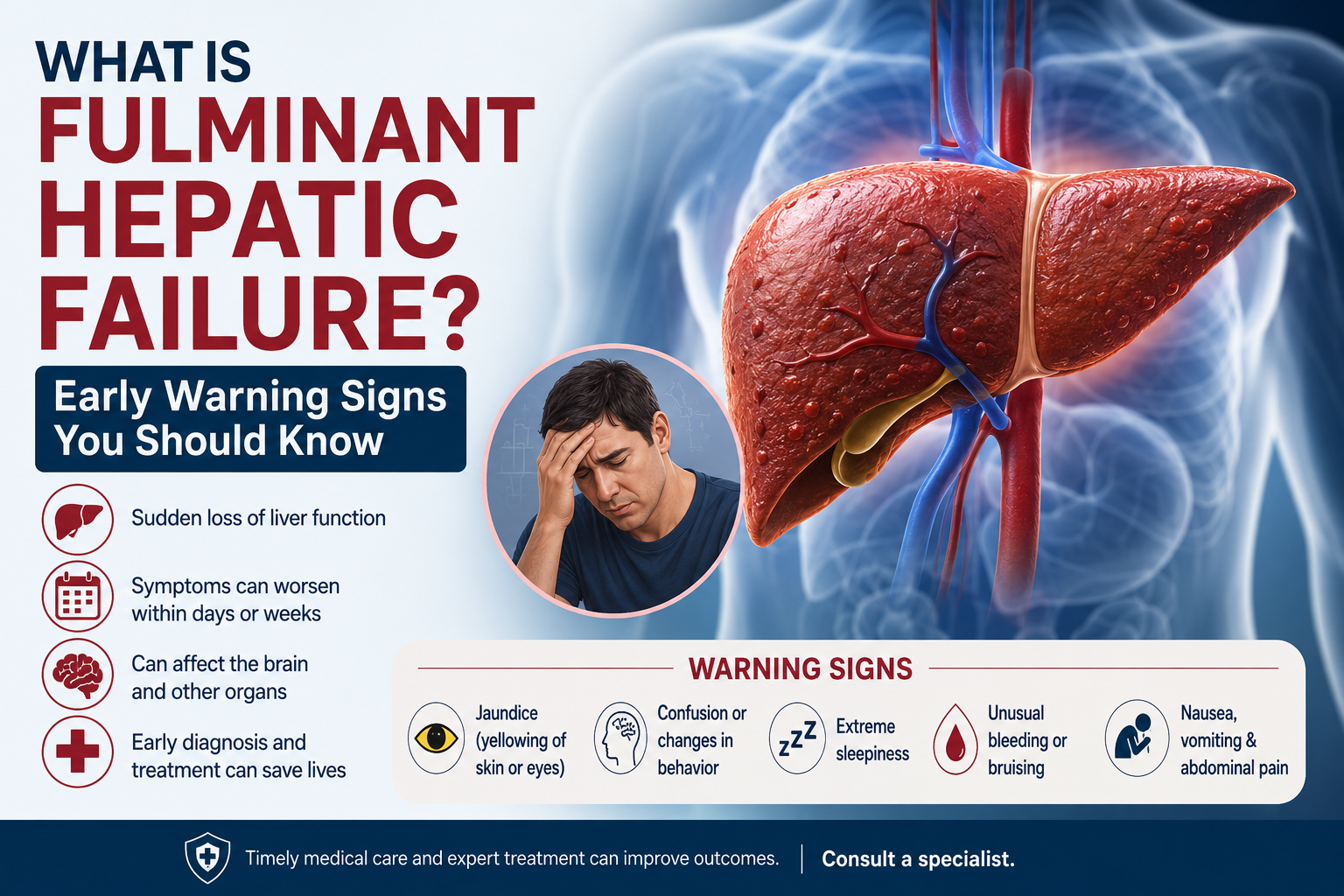
Fulminant hepatic failure, also called acute liver failure, is a rare but potentially life-threatening condition in which the liver suddenly loses much of its ability to function. It can develop over days or weeks, sometimes in people who have no previous diagnosis of advanced liver disease.
Learn the early warning signs of fulminant hepatic failure, its causes, treatment, and when to seek urgent care from the best liver transplant surgeon in India.
The liver performs hundreds of essential functions. It helps remove harmful substances from the blood, processes nutrients, supports digestion and produces proteins needed for normal blood clotting. When the liver suddenly stops working properly, other organs—particularly the brain—can also be affected.
Early recognition is extremely important. The sooner acute liver failure is identified and treated, the better the opportunity to control complications, support liver recovery and determine whether liver transplantation may be necessary.
Table of Contents
| Sr# | Headings |
|---|---|
| 1 | What Is Fulminant Hepatic Failure? |
| 2 | How Fast Can Acute Liver Failure Occur? |
| 3 | What Causes Fulminant Hepatic Failure? |
| 4 | Early Signs of Liver Failure |
| 5 | Hepatic Encephalopathy and Changes in Mental Function |
| 6 | Jaundice, Urine, and Stool Changes |
| 7 | Bleeding and Blood-Clotting Problems |
| 8 | Abdominal Symptoms and Physical Changes |
| 9 | How Is Fulminant Hepatic Failure Diagnosed? |
| 10 | Importance of Emergency Care for Acute Liver Failure |
| 11 | When Is a Liver Transplant Required? |
| 12 | Precautions and Risk Reduction |
| 13 | What Should You Do If Symptoms Appear? |
| 14 | Frequently Asked Questions |
What Is Fulminant Hepatic Failure?
Fulminant hepatic failure occurs when the liver rapidly loses its ability to perform its normal functions. Unlike chronic liver disease, which can develop gradually over many years, acute liver failure may progress within days or weeks.
The condition can be particularly dangerous because the liver is involved in many processes that keep the body functioning properly. It helps process nutrients, removes certain toxins from the bloodstream and produces proteins involved in blood clotting.
Think of your liver as the body's central processing and cleaning plant. If that plant suddenly stops operating, waste products can accumulate and essential processes can break down.
One of the most serious complications is hepatic encephalopathy, a condition in which substances normally processed by the liver affect brain function. A person may become confused, behave unusually or become increasingly sleepy.
Another major concern is impaired blood clotting. A damaged liver may not produce enough clotting proteins, increasing the risk of abnormal bleeding.
Acute liver failure is a medical emergency. A person who develops symptoms suggesting sudden liver failure should be assessed immediately rather than waiting for the symptoms to improve on their own.
How Fast Can Acute Liver Failure Occur?
The speed at which acute liver failure develops depends largely on the underlying cause.
Some people initially experience relatively nonspecific symptoms, including:
-
Extreme fatigue
-
Poor appetite
-
Nausea and vomiting
-
Pain or discomfort in the upper right abdomen
-
Jaundice
-
Dark urine
As liver function deteriorates, more serious symptoms may appear, such as:
-
Confusion
-
Disorientation
-
Changes in behavior
-
Excessive sleepiness
-
Abnormal bleeding
-
Loss of consciousness
This rapid progression is one reason acute liver failure can be difficult to recognize. Early symptoms may resemble a stomach infection, medication reaction or another common illness.
Do not ignore rapidly worsening symptoms, especially when jaundice is accompanied by confusion, unusual sleepiness, severe weakness or bleeding.
What Causes Fulminant Hepatic Failure?
There are several possible causes of acute liver failure. Identifying the underlying cause is important because treatment can vary depending on what triggered the liver injury.
1. Medication Overdose or Toxic Liver Injury
One of the best-known causes of severe acute liver injury is an overdose of acetaminophen, also known as paracetamol.
Taking a toxic amount can cause serious liver damage. The risk can increase when a person unknowingly takes multiple medicines that contain the same active ingredient.
Herbal products and dietary supplements can also cause liver injury in susceptible people. The fact that a product is labeled "natural" does not automatically mean that it is safe for the liver.
Never exceed the recommended medication dose. If you take several medicines, speak with a doctor or pharmacist about possible interactions and duplicate ingredients.
2. Viral Hepatitis
Certain viral infections, including hepatitis A and hepatitis B, can cause significant liver inflammation. In rare situations, severe viral hepatitis can progress to acute liver failure.
Most people with viral hepatitis do not develop fulminant hepatic failure, but serious infections require appropriate medical evaluation.
3. Autoimmune Hepatitis
Autoimmune hepatitis occurs when the immune system mistakenly attacks liver cells.
Although it can develop gradually, some people can present with sudden and severe liver injury.
4. Other Causes
Less common causes of acute liver failure include:
-
Poisoning
-
Severe drug-induced liver injury
-
Wilson disease
-
Reduced blood flow to the liver
-
Certain metabolic disorders
-
Some serious infections
-
Severe liver conditions associated with pregnancy
In some cases, doctors may not immediately identify the cause despite extensive testing.
Early Signs of Liver Failure
Would you recognize liver failure if it started developing?
The earliest symptoms can be difficult to distinguish from other illnesses. However, several symptoms deserve particular attention.
Common symptoms can include:
-
Jaundice, or yellowing of the skin and eyes
-
Nausea and vomiting
-
Loss of appetite
-
Extreme fatigue
-
Pain or discomfort in the upper right abdomen
-
Dark urine
-
Pale or clay-colored stools
-
Easy bruising
-
Abnormal bleeding
-
Confusion or behavioral changes
-
Excessive sleepiness
Not everyone will experience all these symptoms.
The progression of symptoms is particularly important. Feeling tired alone does not mean that a person has liver failure. However, rapidly developing fatigue combined with jaundice, confusion or abnormal bleeding should never be ignored.
Hepatic Encephalopathy and Changes in Mental Function
One of the most concerning complications of acute liver failure is hepatic encephalopathy.
When the liver cannot adequately process certain substances, they can build up in the bloodstream and affect the brain.
Early changes may include:
-
Difficulty concentrating
-
Unusual forgetfulness
-
Sleeping during the day and staying awake at night
-
Changes in behavior
-
Difficulty completing simple tasks
As the condition progresses, symptoms can become much more serious.
These may include:
-
Confusion
-
Disorientation
-
Extreme sleepiness
-
Loss of consciousness
Often, family members notice these changes before the affected person recognizes them.
If someone's behavior suddenly changes and they also have signs of liver disease, do not wait for a routine medical appointment.
Jaundice, Urine, and Stool Changes
One of the most noticeable signs of liver dysfunction is jaundice.
Jaundice occurs when bilirubin, a yellow substance produced during the normal breakdown of red blood cells, accumulates in the body.
Watch for:
-
Yellowing of the whites of the eyes
-
Yellowing of the skin
-
Dark yellow or brown urine
-
Pale or clay-colored stools
Jaundice does not always mean that a person has acute liver failure. Several different conditions can cause yellowing of the skin or eyes.
However, new-onset jaundice accompanied by confusion, vomiting blood, inability to stay awake, severe weakness or other rapidly worsening symptoms requires urgent medical assessment.
Bleeding and Blood-Clotting Problems
The liver produces many of the proteins required for normal blood clotting.
When acute liver failure develops, the liver may produce fewer of these proteins. As a result, blood may not clot normally.
Possible warning signs include:
-
Easy bruising
-
Frequent nosebleeds
-
Bleeding gums
-
Vomiting blood
-
Black or bloody stools
-
Bleeding that does not stop normally
Unexpected significant bleeding in someone with suspected acute liver injury is an emergency warning sign.
Doctors can perform blood tests, including prothrombin time and INR, to assess how effectively the blood is clotting.
Abdominal Symptoms and Physical Changes
Some people with acute liver injury experience pain or discomfort in the upper right side of the abdomen, where the liver is located.
Other possible symptoms include:
-
Nausea
-
Vomiting
-
Reduced appetite
-
General weakness
-
Fever in some cases
-
Abdominal swelling in severe illness
These symptoms are not specific to liver failure. Digestive problems, infections and other medical conditions can cause similar symptoms.
Therefore, the combination and progression of symptoms are often more important than any single symptom.
How Is Fulminant Hepatic Failure Diagnosed?
Doctors usually begin with a detailed medical history and physical examination, followed by blood tests and other investigations.
Blood tests may evaluate:
-
ALT and AST liver enzymes
-
Bilirubin
-
Albumin
-
Prothrombin time/INR
-
Blood glucose
-
Kidney function
-
Electrolytes
Depending on the suspected cause, doctors may order additional tests for viral hepatitis, autoimmune disease, medication-related injury, metabolic disorders and other conditions.
Imaging studies such as ultrasound, CT or MRI may also be used when appropriate.
Doctors will also assess the person's mental status to look for confusion, behavioral changes or other signs of hepatic encephalopathy.
Importance of Emergency Care for Acute Liver Failure
Acute liver failure can affect multiple systems in the body. Complications may involve the:
-
Brain
-
Kidneys
-
Blood-clotting system
-
Blood sugar levels
-
Circulation
Because of these potential complications, patients may require hospitalization and, in severe cases, intensive care monitoring.
Treatment may include:
-
Stopping medications that may be harming the liver
-
Specific antidotes when available
-
Treatment of the underlying viral or autoimmune condition
-
Management of low blood sugar
-
Treatment of complications
-
Monitoring kidney and brain function
-
Supportive intensive care
-
Evaluation for liver transplantation
Treatment must be individualized according to the cause and severity of liver failure.
When Is a Liver Transplant Required?
Not every person with acute liver failure requires a transplant.
Some patients recover when the underlying cause is treated and the liver begins to regenerate. The liver has a remarkable capacity for regeneration, and recovery is possible in selected cases.
However, liver transplantation may become necessary when the liver is unlikely to recover sufficiently and liver failure continues to progress.
Doctors consider multiple factors when deciding whether transplantation is appropriate. These may include the cause of liver failure, laboratory results, neurological changes, kidney function and the overall progression of the illness.
Patients who may require transplantation are generally evaluated at a specialized liver transplant center.
People searching for the best liver transplant surgeon in India should consider the transplant center as a whole rather than focusing only on an individual surgeon. Important factors include the transplant team's experience, intensive-care facilities, emergency services, diagnostic capabilities and overall transplant expertise.
In a medical emergency, reaching an appropriate liver transplant center quickly is more important than spending valuable time searching for a particular surgeon.
Precautions and Risk Reduction
Can fulminant hepatic failure be prevented?
Some causes can be prevented or their risks reduced, although not every case is preventable.
Use Medicines Carefully
Taking too much paracetamol can cause severe and potentially irreversible liver damage.
Always follow the recommended dose and check whether other medicines you are taking contain the same active ingredient.
Be Careful With Herbal Products and Supplements
Do not assume that herbal or "natural" products are automatically safe.
Some supplements have been associated with liver injury. Speak with a healthcare professional before starting unnecessary supplements, particularly if you already take prescription medicines.
Reduce the Risk of Viral Hepatitis
Vaccination can help protect against hepatitis A and hepatitis B.
Good hygiene, safe needle practices and avoiding exposure to infected blood can also reduce the risk of certain viral infections.
Do Not Share Personal Items That May Contain Blood
Avoid sharing items such as:
-
Razors
-
Toothbrushes
-
Needles or injection equipment
Tell Your Doctor About All Medicines and Supplements
Make sure your doctor knows about every prescription medicine, over-the-counter product, herbal preparation and supplement you take.
This information can help reduce the risk of medication interactions and prevent potentially harmful combinations.
What Should You Do If Symptoms Appear?
Seek urgent medical care if you develop symptoms such as:
-
Jaundice
-
Persistent or severe vomiting
-
Confusion
-
Excessive sleepiness
-
Significant bleeding
-
Rapidly worsening weakness
-
Changes in behavior
-
Loss of consciousness
Do not try to manage suspected acute liver failure at home.
If an overdose or medication error may have occurred, tell the emergency medical team exactly what was taken, approximately how much was taken and when it happened.
Do not wait until symptoms become severe.
Early evaluation allows doctors to identify the possible cause, begin treatment, manage complications and determine whether specialized liver or transplant services are needed.
Conclusion
Fulminant hepatic failure is a rapidly progressive and potentially fatal condition that requires immediate medical attention. Its early symptoms may resemble common illnesses, but jaundice, confusion, excessive sleepiness, abnormal bleeding and rapidly worsening weakness are important warning signs.
Because severe acute liver failure can progress quickly, early recognition and urgent specialist care can be lifesaving. Some patients recover with appropriate treatment, while others may require evaluation for liver transplantation.
Frequently Asked Questions
1. What is the first warning sign of fulminant hepatic failure?
There is no single first symptom in every patient. Severe fatigue, nausea, vomiting, loss of appetite and jaundice may occur early. Confusion or excessive sleepiness is particularly concerning because it can indicate that liver failure is affecting brain function.
2. Can a healthy person suddenly develop acute liver failure?
Yes. Acute liver failure can occur in someone without previously diagnosed advanced liver disease. Possible causes include medication toxicity, viral hepatitis, autoimmune hepatitis and other forms of severe liver injury.
3. Is jaundice always a sign of liver failure?
No. Jaundice can have several causes, including conditions affecting the liver, bile ducts or blood cells. However, new jaundice combined with confusion, severe weakness, persistent vomiting or bleeding should be evaluated urgently.
4. Can acute liver failure be treated without a transplant?
Yes. Some patients recover with appropriate treatment, depending on the cause and severity of liver injury. However, if the liver does not recover and liver failure progresses, liver transplantation may be required.
5. At what point should someone see a liver transplant specialist?
A person suspected of having acute liver failure should go to an emergency department immediately rather than waiting for a routine specialist appointment. If doctors believe the liver may not recover, they can arrange evaluation at an appropriate liver transplant center and involve the transplant team.
 Turkish
 English
 Arabic
 French
 Spanish
 Portuguese
 Deutsch
 Dutch
Dutch
 Italiano
 Russian
 Romaian
 Portuguese (Brazil)
 Greek
Greek