


How to Choose the Best Pond Filter for a Healthy and Clear Water Garden
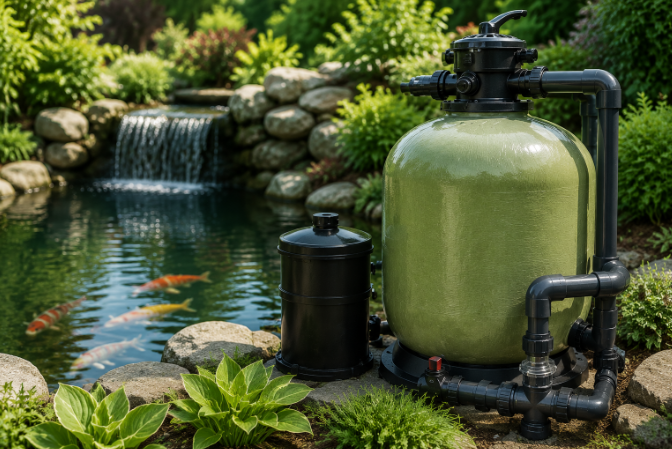
A clear, healthy water garden does not happen by chance. Behind every well-maintained pond is a carefully planned filtration system that manages waste, supports beneficial bacteria, and keeps water conditions stable throughout the year. While plants, aeration, and regular maintenance all contribute to pond health, choosing the right filtration system is one of the most important decisions a pond owner can make. The challenge is that not every filter is suitable for every pond. The filtration needs of a small decorative pond are very different from those of a heavily stocked koi pond. Factors such as pond volume, fish load, pump capacity, debris levels, and maintenance preferences all influence which system will deliver the best results.
Selecting the best pond filter means looking beyond basic water cleaning. A well-designed filter should provide reliable mechanical and biological filtration while helping create a balanced ecosystem that requires less effort to maintain.
Understanding the Role of a Pond Filter
A pond filter acts as the foundation of water quality management. Throughout the year, ponds collect organic materials such as fish waste, uneaten food, plant debris, dust, and other contaminants. If these materials remain in the water, they begin to break down and can negatively impact water chemistry.
A properly designed filtration system helps by performing two essential functions:
Mechanical Filtration for Debris Removal
Mechanical filtration captures physical waste before it continues circulating through the pond. This includes leaves, suspended particles, algae debris, and other visible contaminants that contribute to cloudy water. Efficient mechanical filtration reduces the amount of waste entering the biological stage and helps maintain better water clarity.
Biological Filtration for Water Balance
Biological filtration provides a surface where beneficial bacteria can grow. These bacteria naturally convert harmful ammonia and nitrites produced by fish waste into safer compounds, helping maintain a healthier environment for aquatic life. This process is especially important in koi ponds, where higher fish loads create greater biological demand.
Why Pond Size and Fish Load Matter When Choosing a Filter
One of the most common mistakes pond owners make is selecting a filter based only on pond size. While water volume is important, it is not the only factor that determines filtration requirements. A pond with several koi fish requires significantly more filtration capacity than a plant-only water garden of the same size. Fish produce organic waste continuously, and higher stocking levels require a system capable of handling increased biological activity.
When evaluating filtration options, consider:
-
Total pond gallons
-
Number and size of fish
-
Feeding frequency
-
Amount of surrounding vegetation
-
Exposure to leaves and outdoor debris
-
Desired water clarity level
A properly sized filtration system will maintain stable water conditions without constantly operating at its maximum capacity.
Bead Filters: A Popular Choice for Advanced Pond Filtration
For many pond owners, bead filtration systems offer an effective balance between performance and convenience. Unlike basic filters, bead filters use thousands of small media beads that trap fine particles while also providing surface area for beneficial bacteria. This combination allows one system to handle both mechanical and biological filtration requirements.
Some advantages of bead filtration include:
-
Strong debris removal capability
-
Efficient biological filtration
-
Compact installation compared to traditional filter systems
-
Easier maintenance through backwashing
-
Ability to handle larger ponds and higher fish loads
For koi enthusiasts and serious pond keepers, bead filters are often preferred because they provide consistent performance while reducing routine maintenance.
The Importance of Matching Your Pump and Filter
A filtration system can only perform effectively when paired with the correct pump. The pump determines how quickly water moves through the filter, while the filter determines how effectively contaminants are removed. A pump that is too powerful may push water through the filter too quickly, reducing filtration efficiency. On the other hand, a pump that is too small may not provide enough circulation for proper cleaning.
The ideal setup creates a balance between:
-
Water turnover rate
-
Filter capacity
-
Plumbing design
-
Energy efficiency
-
Pond requirements
A complete pond system should always be designed as a combination of pump, filter, and plumbing rather than choosing each component separately.
Features That Define a High-Quality Pond Filter
Not all filtration systems provide the same level of performance. When comparing options, several features separate professional-grade filters from basic alternatives.
Efficient Cleaning Process
A quality filter should be easy to maintain. Systems with effective backwashing or cleaning mechanisms allow pond owners to remove trapped debris without extensive manual work.
Durable Construction
Outdoor pond equipment is exposed to water, weather, and continuous operation. Strong materials and reliable construction help ensure long-term performance.
High Flow Efficiency
A well-designed filter should allow efficient water movement without creating unnecessary resistance. Better flow efficiency can improve overall system performance and reduce strain on pumps.
Scalable Performance
A good filtration system should support different pond sizes and configurations, allowing pond owners to select equipment based on their current needs while leaving room for future upgrades.
Common Pond Filtration Mistakes to Avoid
Choosing the wrong filtration approach can lead to ongoing water quality problems. Some common mistakes include:
Selecting a Filter That Is Too Small
Undersized filters often struggle to keep up with waste production, especially in koi ponds.
Ignoring Biological Filtration
Clear-looking water does not always mean healthy water. Biological filtration is essential for maintaining safe conditions for fish.
Focusing Only on Initial Cost
A cheaper filter may require more maintenance, provide lower performance, or need replacement sooner. Considering long-term value is often a better approach.
Poor Pump and Filter Matching
Even a high-quality filter will not perform properly if the pump does not provide the correct flow rate.
How the Right Filter Creates a Healthier Water Garden
A properly selected filtration system improves more than just appearance. Clear water allows plants and fish to thrive, reduces harmful waste buildup, and creates a more stable ecosystem.
With efficient filtration, pond owners can enjoy:
-
Better water clarity
-
Healthier fish conditions
-
Reduced algae problems
-
Less frequent cleaning
-
More predictable pond maintenance
A balanced filtration system allows nature and technology to work together, creating a pond that remains beautiful and easier to manage.
Choosing the Best Pond Filter for Long-Term Results
The right filtration system depends on your pond’s unique requirements. There is no single filter that works perfectly for every setup, which is why understanding pond size, fish load, water movement, and maintenance expectations is essential before making a decision.
For pond owners looking for dependable filtration solutions, AquaBead Filters offer advanced systems designed for effective mechanical and biological filtration. With solutions built for different pond sizes and applications, customers can choose a filtration system that supports cleaner water, healthier fish, and reliable performance for years to come.

 English
 Arabic
 French
 Portuguese
 Deutsch
 Turkish
 Dutch
Dutch
 Italiano
 Russian
 Romaian
 Portuguese (Brazil)
 Greek
Greek
