


Green Energy Solutions: Powering Progress Without Compromising the Planet
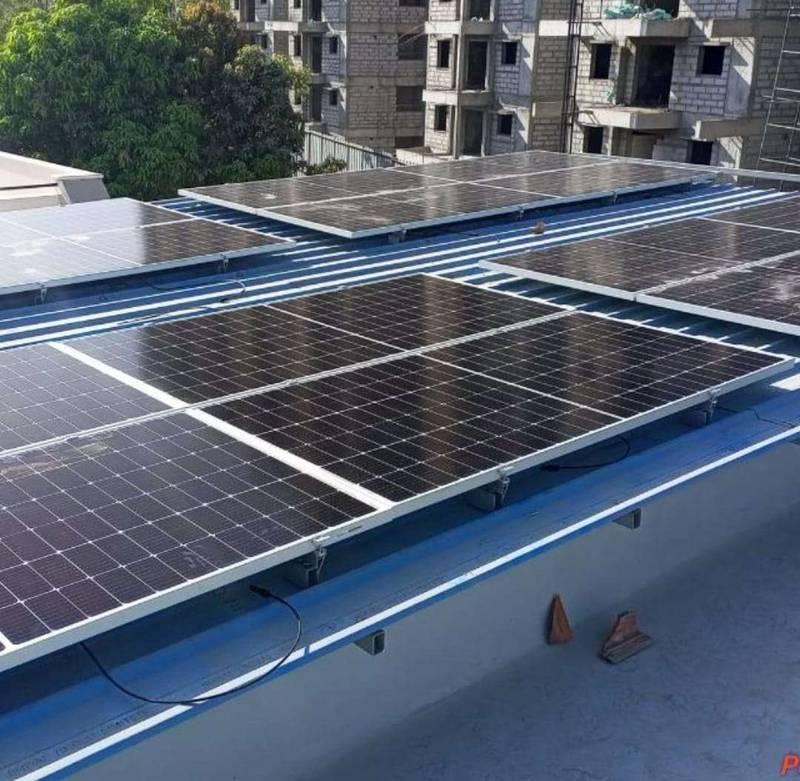
The demand for cleaner, smarter, and more responsible energy is growing as individuals, businesses, and industries become increasingly aware of environmental challenges. Traditional energy sources have supported economic development for decades, but their environmental impact has created a strong need for alternatives. This is where green energy solutions are becoming an important part of the modern energy landscape.
Green energy focuses on using naturally replenished resources while reducing pollution and dependence on conventional fossil fuels. From solar panels and wind power to energy storage and smart energy management, these solutions can help create a more sustainable approach to electricity generation and consumption.
What Are Green Energy Solutions?
Green energy solutions are technologies, systems, and practices designed to generate or use energy with a lower environmental impact. They primarily rely on renewable resources such as sunlight, wind, flowing water, and other naturally available sources.
Unlike conventional energy generation, renewable systems can produce electricity without continuously consuming finite fossil fuels. A green energy solutions approach can include renewable power generation, energy-efficient equipment, battery storage, electric mobility, and smart energy-management systems.
The objective is to meet today's energy requirements while supporting a cleaner and more sustainable future.
Solar Energy: A Leading Green Energy Solution
Solar power is one of the most popular forms of renewable energy. Solar photovoltaic panels convert sunlight into electricity that can be used in homes, offices, commercial buildings, and industrial facilities.
One of the key advantages of solar energy is its versatility. Small rooftop systems can support household electricity needs, while larger installations can provide power for businesses and industrial operations.
Solar energy can also help users reduce their dependence on conventional electricity sources. With proper installation, maintenance, and energy planning, solar systems can become an important long-term energy solution.
Wind Energy for Cleaner Electricity
Wind power is another major source of renewable energy. Wind turbines convert the movement of air into electrical energy without directly burning fossil fuels during electricity generation.
Large-scale wind farms can generate significant amounts of electricity in areas with suitable wind conditions. Advances in turbine design and technology have improved efficiency and increased the potential of wind energy.
Solar and wind power can also complement each other. When one source produces less energy, the other may help balance overall renewable generation.
The Importance of Energy Storage
Renewable energy generation can vary depending on natural conditions. Solar panels generate electricity during sunlight hours, while wind turbines depend on wind availability. Energy storage helps address this challenge.
Battery storage systems can store excess renewable electricity and make it available when required. This can help households and businesses use more of the clean energy they generate.
Energy storage can also improve energy reliability and support better management of electricity demand. As battery technology continues to advance, storage is becoming an increasingly important part of green energy systems.
Energy Efficiency and Reduced Consumption
Green energy is not only about producing clean electricity. Using energy efficiently is equally important.
Energy-efficient lighting, heating and cooling systems, appliances, machinery, and smart controls can reduce unnecessary electricity consumption. Businesses can use energy-monitoring tools to understand where electricity is being used and identify opportunities to reduce waste.
For example, replacing inefficient lighting with LED technology can reduce energy consumption while maintaining suitable lighting levels. Smart controls can further automate energy use based on occupancy, schedules, and demand.
Green Energy for Businesses
Businesses are increasingly exploring green energy solutions to manage operating costs and improve their sustainability practices. Offices, factories, warehouses, hotels, schools, and retail establishments can all benefit from renewable energy and energy-efficiency technologies.
A business may install rooftop solar panels, adopt efficient equipment, introduce battery storage, or use smart energy-monitoring systems. These technologies can work together to create a more efficient energy strategy.
For larger organizations, renewable energy can also become part of their broader environmental and sustainability goals. Companies such as Tata Power are active in India's renewable energy sector, reflecting the growing importance of green energy in the business environment.
Benefits of Green Energy Solutions
The adoption of green energy can provide several long-term advantages:
Lower environmental impact: Renewable energy can reduce emissions associated with fossil-fuel-based electricity generation.
Reduced energy costs: Solar power and energy-efficiency measures can help reduce electricity expenses over time.
Better energy independence: Local renewable generation can reduce dependence on conventional energy sources.
Long-term sustainability: Renewable resources are naturally replenished, making them suitable for future energy planning.
Improved energy efficiency: Smart technologies can help identify energy waste and improve consumption patterns.
Support for innovation: Growing demand for clean energy encourages advancements in batteries, smart grids, electric vehicles, and energy-management technologies.
Smart Technology and Green Energy
Technology is transforming the way renewable energy is produced and managed. Smart meters, Internet of Things devices, artificial intelligence, and digital energy platforms can provide detailed information about energy consumption.
Businesses can use this information to identify peak consumption periods and improve energy planning. Automated systems can adjust lighting, cooling, and other equipment according to real-time requirements.
The combination of renewable energy and smart technology can therefore create energy systems that are not only cleaner but also more intelligent and efficient.
The Future of Green Energy
The future of energy is likely to involve a combination of renewable generation, storage, energy efficiency, and smart technology. As renewable technologies become more efficient and accessible, their role in homes, businesses, transportation, and industrial operations is expected to expand.
Electric vehicles, battery storage, smart grids, and distributed solar generation are already changing traditional energy models. Continued investment and innovation can further improve the reliability and affordability of these technologies.
However, successful adoption requires proper planning. Renewable systems should be selected according to energy requirements, location, available resources, infrastructure, and long-term objectives.
Conclusion
Green energy solutions are helping create a cleaner and more sustainable approach to meeting the world's growing energy requirements. Solar power, wind energy, battery storage, energy efficiency, and smart technologies can work together to reduce environmental impact while improving energy management.
The transition toward green energy is not simply about replacing one power source with another. It is about developing a smarter energy system that uses resources responsibly and supports long-term sustainability. By adopting suitable green energy technologies today, individuals and organizations can contribute to a cleaner environment and a more resilient energy future.

 English
 Arabic
 French
 Spanish
 Portuguese
 Deutsch
 Turkish
 Dutch
Dutch
 Italiano
 Romaian
 Portuguese (Brazil)
 Greek
Greek