


How Solar Cameras Are Transforming Outdoor Surveillance in California
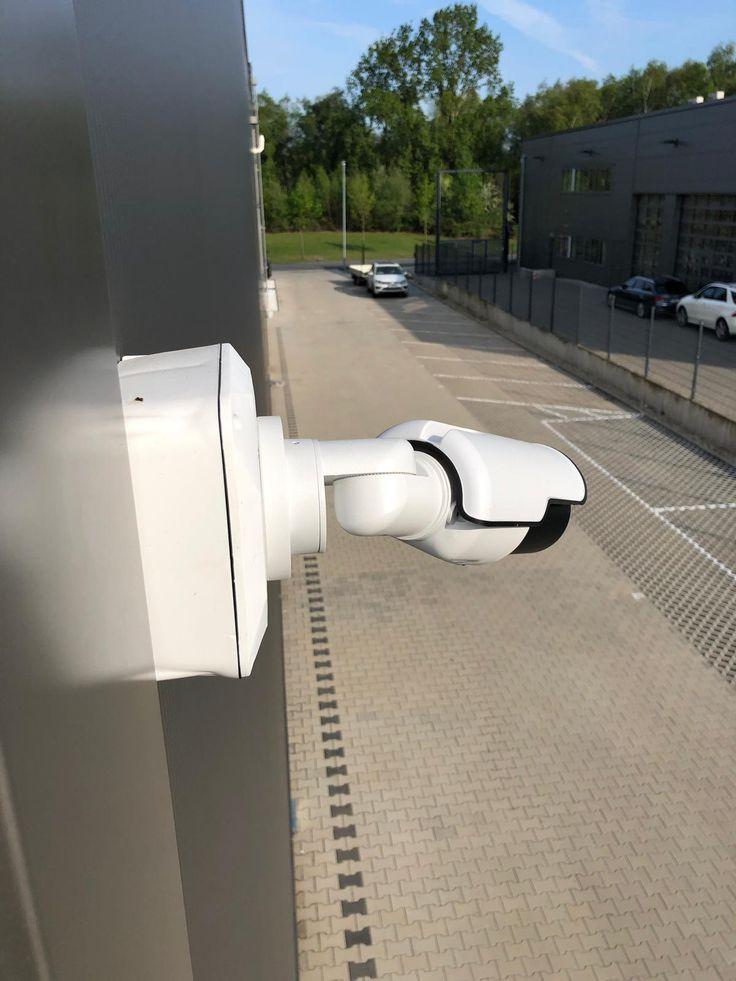
Outdoor locations often require dependable surveillance even when access to electrical infrastructure is limited. Construction sites, vacant properties, agricultural land, parking areas, and remote facilities all benefit from continuous monitoring without relying on permanent power connections. As security technology continues to evolve, the solar camera has become an effective solution for providing reliable surveillance while using renewable energy to support uninterrupted operation.
What Is a Solar Camera?
A solar camera is a surveillance device powered by solar energy through photovoltaic panels that convert sunlight into electricity. Most systems also include rechargeable batteries that store excess energy, allowing the camera to continue operating during cloudy weather or nighttime hours.
Because these cameras operate independently of traditional electrical wiring, they are particularly useful for temporary, remote, or difficult-to-access locations where installing permanent infrastructure may not be practical.
Why Solar Cameras Are Gaining Popularity in California
California receives abundant sunlight throughout much of the year, making solar-powered surveillance an ideal option for outdoor environments. Property owners, construction managers, agricultural operators, and facility managers increasingly choose solar-powered systems because they provide reliable monitoring while reducing dependence on conventional power sources.
Their portability also allows surveillance equipment to be deployed quickly and relocated whenever site requirements change.
Key Features of Solar Cameras
Renewable Energy Operation
Solar panels generate electricity during daylight hours, allowing cameras to operate using clean and sustainable energy while charging built-in battery systems.
High-Definition Video Recording
Modern solar cameras capture high-resolution images that provide clear visibility of people, vehicles, and property activities during both day and night.
Night Vision Technology
Infrared imaging enables continuous monitoring after sunset, maintaining surveillance even in low-light conditions.
Remote Viewing
Many systems provide secure remote access through internet connectivity, allowing authorized users to monitor live footage from smartphones, tablets, or computers.
Weather-Resistant Design
Outdoor solar cameras are designed to withstand rain, heat, dust, wind, and changing environmental conditions commonly experienced across California.
Common Applications of Solar Cameras
Construction Sites
Construction projects frequently change locations and layouts. Solar-powered cameras offer flexible monitoring without requiring permanent electrical installation.
Vacant Properties
Unoccupied buildings and undeveloped land benefit from continuous surveillance that helps monitor property activity around the clock.
Agricultural Operations
Large farms, ranches, and storage areas often use solar cameras to monitor equipment, livestock, access roads, and field operations.
Parking Areas
Temporary parking lots and commercial parking facilities can improve visibility using solar-powered surveillance systems positioned throughout the property.
Public Infrastructure
Utility facilities, road construction projects, and remote government sites often require surveillance where traditional electrical service may not be readily available.
Benefits of Installing a Solar Camera
Flexible Installation
Since electrical wiring is not required, solar cameras can be deployed more quickly than many conventional surveillance systems.
Continuous Monitoring
Rechargeable battery systems allow cameras to continue recording even after sunset or during temporary periods of reduced sunlight.
Environmentally Friendly Operation
Using renewable solar energy supports sustainable surveillance while reducing dependence on conventional electricity sources.
Cost-Effective for Remote Locations
In areas where extending electrical infrastructure would be difficult, solar-powered systems offer a practical monitoring alternative.
Easy Relocation
As project requirements change, solar cameras can be moved to new locations without extensive installation work.
Factors to Consider When Choosing a Solar Camera
Selecting the right surveillance system depends on several important considerations.
Camera Resolution
Higher image quality improves visibility and helps capture important details across large outdoor spaces.
Battery Capacity
Reliable battery storage ensures continuous operation during nighttime hours and periods of limited sunlight.
Solar Panel Efficiency
Efficient solar panels maximize energy collection and improve long-term performance.
Connectivity
Wireless communication enables remote viewing and simplifies system management.
Weather Durability
Outdoor equipment should withstand changing environmental conditions throughout every season.
Best Practices for Installation
Proper placement helps maximize camera performance.
Position solar panels where they receive direct sunlight.
Install cameras at elevated locations for broader coverage.
Minimize visual obstructions such as trees or buildings.
Ensure wireless connectivity remains stable for remote monitoring.
Regularly inspect panels to remove dust or debris that may reduce charging efficiency.
Conclusion
A solar camera provides an efficient and flexible surveillance solution for construction sites, agricultural properties, vacant land, parking facilities, and other outdoor environments across California. By combining renewable energy, high-definition video, remote monitoring, night vision, and weather-resistant construction, these systems offer dependable security without requiring permanent electrical infrastructure. As organizations continue seeking adaptable monitoring solutions, solar-powered surveillance remains a practical choice for maintaining visibility, improving operational awareness, and supporting long-term outdoor security.

 English
 Arabic
 French
 Spanish
 Portuguese
 Deutsch
 Turkish
 Dutch
Dutch
 Italiano
 Russian
 Romaian
 Greek
Greek
