


Why You Should Convert Artwork to OFM File Format Before Embroidery Production
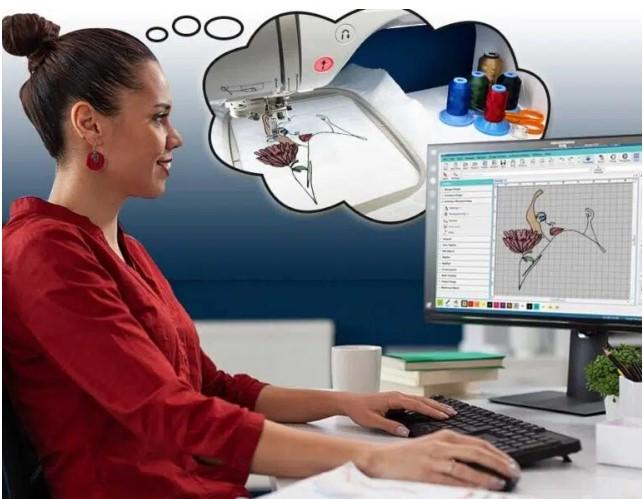
Embroidery is one of the best ways to add logos, artwork, and custom designs to clothing, hats, bags, and other products. It creates a clean and professional look that lasts for years. However, before an embroidery machine can start stitching, the artwork must be prepared in a format that the machine can understand.
Many embroidery businesses choose to Convert Artwork to OFM File Format before production because standard image files cannot be read by embroidery machines. An OFM file contains stitch instructions that guide the machine during the embroidery process. This conversion helps improve stitch quality, reduce errors, and create more reliable embroidery results.
In this article, we will explain why OFM file conversion is important, how it improves embroidery production, and why professional digitizing plays a major role in creating machine-ready embroidery files.
What Is an OFM Embroidery File?
An OFM file is a machine embroidery format used by specific embroidery systems and software.
Unlike regular image files, an OFM file contains embroidery data.
This data tells the machine exactly how to stitch the design.
What an OFM File Contains
An OFM file usually includes:
-
Stitch locations
-
Stitch types
-
Thread colors
-
Stitch directions
-
Density settings
-
Color sequence
-
Machine instructions
These details help embroidery machines create accurate designs.
Why Embroidery Machines Need OFM Files
Embroidery machines do not understand pixels.
They understand stitches.
The machine needs instructions that explain how the design should be sewn.
That is why artwork must first be converted into an embroidery file format.
Understanding the Difference Between Artwork and Embroidery Files
Many people think changing a JPG into an OFM file is a simple process.
In reality, it requires embroidery digitizing.
What Artwork Contains
Artwork files contain visual information.
Examples include:
-
JPG files
-
PNG files
-
PDF files
-
AI files
-
SVG files
These files are designed for printing and viewing.
What Embroidery Files Contain
Embroidery files contain stitch information.
They tell the machine:
-
Where to stitch
-
How many stitches to use
-
Which stitch type to select
-
Which color to use
-
The order of stitching
Without this information, embroidery production cannot begin.
Why Conversion Is Necessary Before Production
Artwork must be converted because embroidery machines require stitch commands.
This conversion process is called digitizing.
Machines Cannot Read Artwork Directly
A machine cannot automatically understand a logo or image.
The design must first be translated into embroidery language.
Every Stitch Must Be Planned
Professional digitizers decide:
-
Stitch direction
-
Density
-
Underlay
-
Stitch sequence
-
Compensation
These choices affect embroidery quality.
How OFM File Conversion Improves Stitch Quality
One of the biggest reasons to convert artwork into an OFM file is stitch quality.
A properly digitized file creates cleaner embroidery.
Better Stitch Placement
Each stitch is positioned carefully.
This improves design accuracy.
Sharper Design Details
Professional digitizing helps preserve important artwork features.
Improved Design Coverage
Balanced stitching creates a smooth appearance.
These improvements help embroidery look professional.
The Importance of Stitch Types
Different design areas require different stitch styles.
Experienced digitizers choose the best stitch for each section.
Running Stitches
Running stitches work well for:
-
Fine lines
-
Outlines
-
Small details
Satin Stitches
Satin stitches are often used for:
-
Text
-
Borders
-
Narrow shapes
Fill Stitches
Fill stitches cover:
-
Large areas
-
Background sections
-
Solid shapes
Using the correct stitch type improves both appearance and durability.
Why Stitch Density Matters
Density refers to the spacing between stitches.
Finding the right density is very important.
Too Much Density
Excessive density may cause:
-
Thread breaks
-
Needle wear
-
Fabric puckering
-
Stiff embroidery
Too Little Density
Low density may create:
-
Gaps
-
Weak coverage
-
Poor visibility
Professional digitizers carefully balance density to achieve the best results.
How OFM Files Improve Machine Performance
Machine efficiency affects production speed and costs.
Well-digitized OFM files help embroidery machines run smoothly.
Fewer Thread Breaks
Balanced stitch settings reduce stress on thread.
Reduced Machine Stops
Efficient files create fewer interruptions.
Faster Production
Optimized stitch paths improve sewing speed.
These benefits help embroidery shops complete projects more efficiently.
The Role of Stitch Direction
Stitch direction affects both appearance and performance.
Professional digitizers carefully plan stitch angles.
Creating Texture
Different stitch directions add visual interest.
Improving Stability
Balanced stitch angles reduce fabric stress.
Enhancing Design Appearance
Proper direction helps create cleaner embroidery.
These adjustments improve the overall quality of the design.
Why Underlay Is Important
Underlay stitches are foundation stitches placed beneath visible embroidery.
Although hidden, they perform several important functions.
Better Fabric Support
Underlay helps stabilize the material.
Improved Stitch Coverage
Top stitches sit more evenly.
Cleaner Edges
Design outlines appear sharper.
Professional digitizers know where underlay is needed and how to use it effectively.
Preventing Fabric Puckering
Fabric puckering is one of the most common embroidery problems.
It occurs when stitches pull the material out of shape.
Common Causes
Puckering may result from:
-
Excessive density
-
Poor stitch planning
-
Weak underlay
-
Incorrect compensation
How OFM Files Help
Proper digitizing reduces fabric stress.
This helps maintain a smooth and professional appearance.
Compensation Helps Maintain Accuracy
Fabric and thread move during embroidery.
Without correction, designs may become distorted.
What Compensation Does
Compensation helps maintain:
-
Design size
-
Shape accuracy
-
Border alignment
-
Letter clarity
Professional digitizers account for these factors before production begins.
Improving Small Text and Fine Details
Small lettering can be difficult to embroider.
Without proper planning, text may become unreadable.
Special Adjustments for Small Text
Digitizers often adjust:
-
Stitch width
-
Letter spacing
-
Density settings
These changes improve readability.
Preserving Important Details
Fine design elements may be simplified slightly to ensure clean stitching.
This helps maintain the overall appearance of the artwork.
Why Testing Is Important
Professional digitizing does not end when the file is created.
Testing is an important quality-control step.
Creating a Sample Stitch-Out
A test run shows how the design performs on an actual embroidery machine.
Identifying Problems Early
Testing may reveal:
-
Density issues
-
Alignment concerns
-
Thread problems
-
Fabric reactions
Making Final Improvements
Adjustments can be made before production starts.
This helps prevent costly mistakes.
Supporting Different Embroidery Applications
OFM files can be used for many embroidery projects.
Corporate Logos
Businesses need professional and consistent branding.
Uniforms
Employee apparel requires clean embroidery.
Promotional Products
Promotional items often feature embroidered logos.
Fashion Embroidery
Decorative designs require detailed stitch planning.
Professional digitizing helps support all these applications.
Why Experience Matters in Digitizing
Embroidery digitizing involves more than software skills.
Experience plays a major role in file quality.
Professional digitizers understand:
-
Machine behavior
-
Thread performance
-
Fabric movement
-
Production challenges
-
Stitch mechanics
This practical knowledge helps create reliable embroidery files.
At Absolute Digitizing, years of embroidery experience help guide the digitizing process and support the creation of accurate, machine-ready OFM files.
Common Problems Professional Digitizing Helps Prevent
Professional digitizing helps avoid many production issues.
Thread Breaks
Balanced settings reduce thread stress.
Poor Lettering
Special adjustments improve text clarity.
Distorted Shapes
Compensation helps maintain design accuracy.
Excessive Production Delays
Efficient files improve machine performance.
These improvements help save time and money.
Building Trust Through Consistent Results
Customers expect embroidery to look good every time.
Consistency helps build confidence.
Reliable OFM files produce repeatable results across different garments and production runs.
Companies like Absolute Digitizing focus on creating dependable embroidery files that support quality, efficiency, and customer satisfaction.
Strong embroidery results help businesses maintain a positive reputation.
The Long-Term Benefits of OFM File Conversion
Converting artwork into an OFM file offers many long-term advantages.
Better Embroidery Quality
Designs appear cleaner and more professional.
Improved Efficiency
Machines operate more smoothly.
Reduced Waste
Fewer errors mean less material loss.
Greater Customer Satisfaction
Professional embroidery creates a better customer experience.
These benefits support long-term business growth.
Final Thoughts
Converting artwork into an OFM file is one of the most important steps in embroidery production. Standard image files cannot provide the stitch instructions that embroidery machines require. Through professional digitizing, artwork is transformed into a machine-ready embroidery file that supports clean stitching and reliable production.
A properly created OFM file improves stitch placement, density, underlay, stitch direction, and overall embroidery accuracy. It also helps reduce machine problems, improve efficiency, and deliver more consistent results.
By investing in professional OFM file conversion, businesses can achieve higher-quality embroidery, smoother production, and better customer satisfaction. A well-digitized OFM file creates the foundation for successful embroidery and helps ensure that every design performs exactly as intended.

 English
 Arabic
 French
 Spanish
 Portuguese
 Deutsch
 Turkish
 Dutch
Dutch
 Italiano
 Russian
 Romaian
 Greek
Greek
