


What Is Included in a Commercial Construction Estimate?
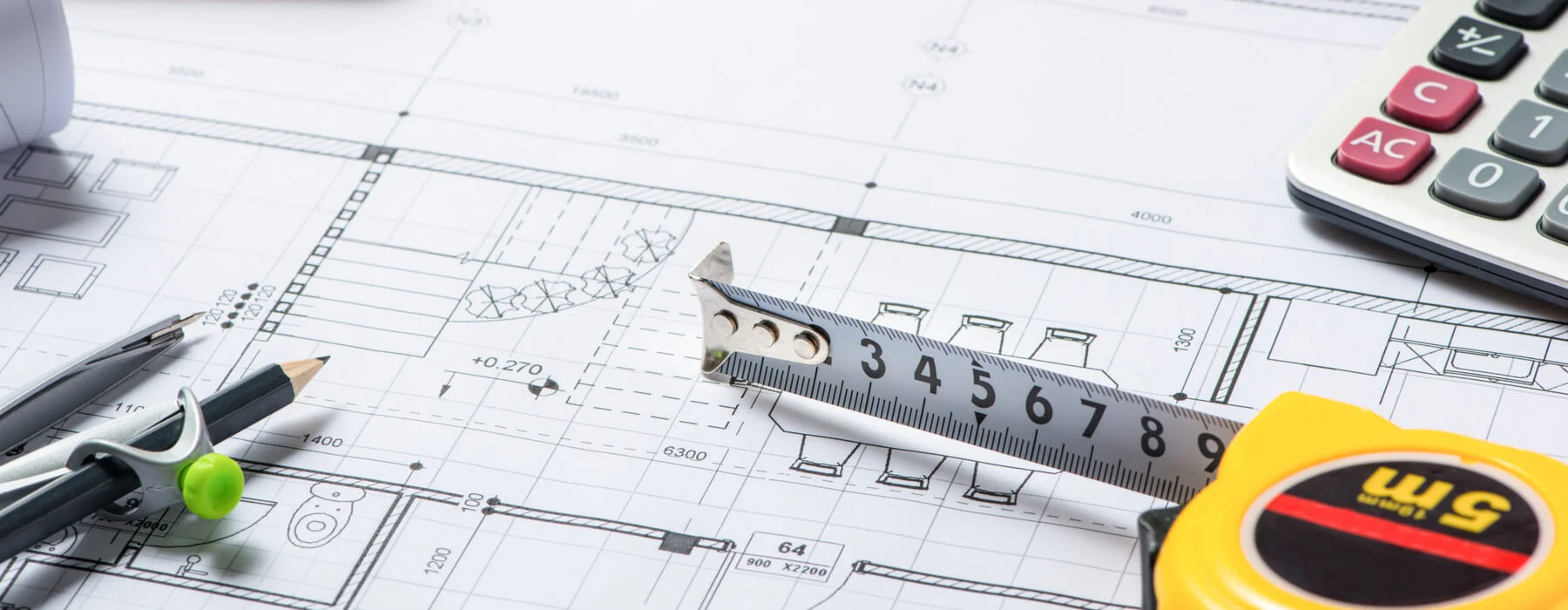
You just got the plans back from the architect, and the bid is due in nine days.
Your gut says the numbers from your last estimator were off, but you can't point to exactly where. Maybe it was the electrical rough-in. Maybe it was overhead. You submit anyway, because the deadline doesn't care about your doubts.
Then the job gets awarded to someone else, or worse, you win it and the budget falls apart in month three.
That gap between "the number we submitted" and "the number the job actually costs" is where contractors lose money quietly, bid after bid, year after year. Reliable commercial construction estimating services in USA markets exist to close that exact gap, and understanding what a proper estimate contains is the first step to knowing whether the one on your desk is any good.
Quick answer: A commercial construction estimate should include direct costs (materials, labor, equipment), indirect costs (permits, insurance, supervision), a contingency line, and regional pricing adjustments. If any of these four categories is missing, the number in front of you is incomplete.
What Actually Goes Into a Commercial Construction Estimate
A real estimate isn't a single number. It's a stack of categories, each built from its own math.
Skip one, and the whole bid shifts underneath you later.
Direct Costs Breakdown
Direct costs cover everything physically going into the building: concrete, steel, glazing, MEP rough-in, finishes, and the labor hours to install each one.
A quality estimator breaks these down trade by trade, not as one lump figure. That level of detail is what separates a usable construction estimating services deliverable from a rough guess on a napkin.
Indirect Costs and Overhead
Indirect costs are the expenses that don't show up in a materials list but absolutely show up on the invoice: permits, bonding, temporary fencing, dumpsters, site supervision, and insurance.
On mid-size commercial jobs, these often run 10 to 15 percent of the total budget. Miss them, and your bid looks competitive right up until the first change order.
Contingency and Escalation
Every commercial estimate needs a contingency line, usually 5 to 10 percent depending on project complexity.
Material escalation matters too, especially on anything with a bid-to-groundbreaking gap longer than four months. Steel and copper prices in particular can shift fast.
Why Estimates Vary by Region (Real Cost Comparisons)
The same 20,000-square-foot warehouse can price out very differently depending on the zip code, and this is where a lot of DIY estimates fall apart.
East Coast Commercial Pricing
Labor rates in metro areas like Boston, New York, and DC push per-square-foot commercial costs 15 to 25 percent above the national average, driven mostly by union labor rates and permitting timelines.
West Coast Commercial Pricing
California and the Pacific Northwest carry some of the highest material and labor premiums in the country, often 20 to 35 percent above baseline, with seismic requirements adding structural cost on top.
Midwest Commercial Pricing
Cities like Chicago sit closer to national averages, though winter construction windows and union labor in specific metros still push costs up compared to smaller Midwest markets.
Southern US Commercial Pricing
Texas, Georgia, and the broader Southeast typically run 10 to 20 percent below coastal markets, thanks to lower labor rates and fewer union requirements, though hurricane-zone building codes can add cost in coastal counties.
A single national average number, without a regional adjustment, is one of the fastest ways an estimate goes wrong.
In-House Estimator vs. Outsourced Estimating Agency
Contractors weighing whether to hire in-house or outsource usually land on the same short list of trade-offs.
|
Feature |
In-House Estimator |
Outsourced Estimating Service |
|
Cost |
Full salary + benefits ($90k–$130k+/yr) |
Pay-per-project or flat monthly fee |
|
Turnaround Time |
Limited by single employee capacity |
Fast (24 to 48 hours for most projects) |
|
Software Tools |
Expensive licenses (PlanSwift, Bluebeam, RSMeans) |
Included in service fee |
|
Scalability |
Hard to scale during busy bidding seasons |
Scale up or down instantly based on bid volume |
For contractors bidding fewer than 15 to 20 projects a year, outsourced commercial construction estimating services in USA firms usually work out cheaper than a full-time hire. Above that volume, the math starts favoring in-house.
A Real Case: The $40,000 Line Item Nobody Caught
A mid-size general contractor in the Midwest was three days from submitting a bid on a 45,000-square-foot medical office build.
Their in-house estimator had priced the MEP rough-in using a national average rate instead of a local one. A second review, run through an outsourced estimating partner as a sanity check, flagged the gap immediately.
The correction added just over $40,000 to the bid. The contractor still won the job, and this time, the number actually held through construction. That's the quiet value a second set of eyes on a commercial estimate provides.
The 5-Step Checklist to Verify Any Third-Party Estimate Before You Bid
Before you submit any estimate that didn't come from your own team, run it through these five checks.
-
Confirm the takeoff matches current drawings. Estimates built on an outdated plan revision are worthless no matter how detailed they look.
-
Check that pricing is zip-code specific, not a national average. Regional adjustment is non-negotiable, as shown above.
-
Verify labor and material costs are separated by trade. A lump-sum number hides errors; a trade-by-trade breakdown exposes them.
-
Look for a contingency line. No contingency usually means an estimator is either inexperienced or cutting corners to look competitive.
-
Ask for the source data behind the software output. RSMeans and similar tools are only as accurate as the local cost data fed into them.
Any estimate that fails two or more of these checks needs a second opinion before it goes out the door.
How to Choose the Right Commercial Construction Estimator
Not every estimating firm operates at the same level, and the difference shows up in your bid win rate.
Certifications to Look For
Look for estimators certified through recognized bodies such as ASPE (American Society of Professional Estimators). Certification isn't everything, but it signals a baseline of formal training in takeoff methodology and cost databases.
What to Ask For Before You Sign
Ask for samples of past work, including marked-up plan drawings, not just a finished PDF summary. A 24 to 48 hour turnaround option matters for tight bid windows, and confirming they use location-based zip code pricing tools protects you from the regional pricing gap covered earlier.
Good construction estimating services providers will hand over samples without hesitation. Hesitation on that request is itself a signal.
How Much Do Commercial Construction Estimating Services Cost?
Pricing for commercial construction estimating services in USA markets typically falls into two models: flat-fee per project or a percentage of estimated project value.
Flat fees for a mid-size commercial build usually range from $500 to $3,000 depending on square footage and trade count. Percentage-based pricing tends to sit between 0.5 and 1.5 percent of the total project cost for larger, more complex builds.
Either model is almost always cheaper than the fully loaded cost of a full-time in-house estimator once you factor in software licensing, benefits, and downtime between bidding cycles.
Frequently Asked Questions
How fast can outsourced estimators turn around a bid?
Most construction estimating services providers quote 24 to 48 hours for standard commercial projects, with rush options available for an added fee on tighter deadlines.
Do small commercial contractors need estimating services too?
Yes. Even contractors bidding two or three commercial jobs a year benefit from a second set of eyes, since a single missed line item can cost far more than the estimating fee itself.
Are outsourced estimates as accurate as in-house ones?
Accuracy depends more on the estimator's access to current, zip-code-specific pricing data than on whether they sit in your office or work remotely. A firm using commercial construction estimating services in USA databases updated regularly will often out-perform an in-house estimator working from a stale price book.
Where This Leaves Your Next Bid
A commercial estimate is only as strong as its weakest category, whether that's a missing contingency line, a national-average price plugged into a local market, or a lump-sum number hiding an error nobody can find.
Run the next one you receive through the five-step checklist above before it leaves your office. It takes fifteen minutes and it can save a project.

 English
 Arabic
 French
 Spanish
 Portuguese
 Deutsch
 Turkish
 Italiano
 Russian
 Romaian
 Portuguese (Brazil)
 Greek
Greek