


Laparoscopic Gynecology Instruments and Laparoscopic Surgery Devices: Driving the Future of Minimally Invasive Women's Healthcare
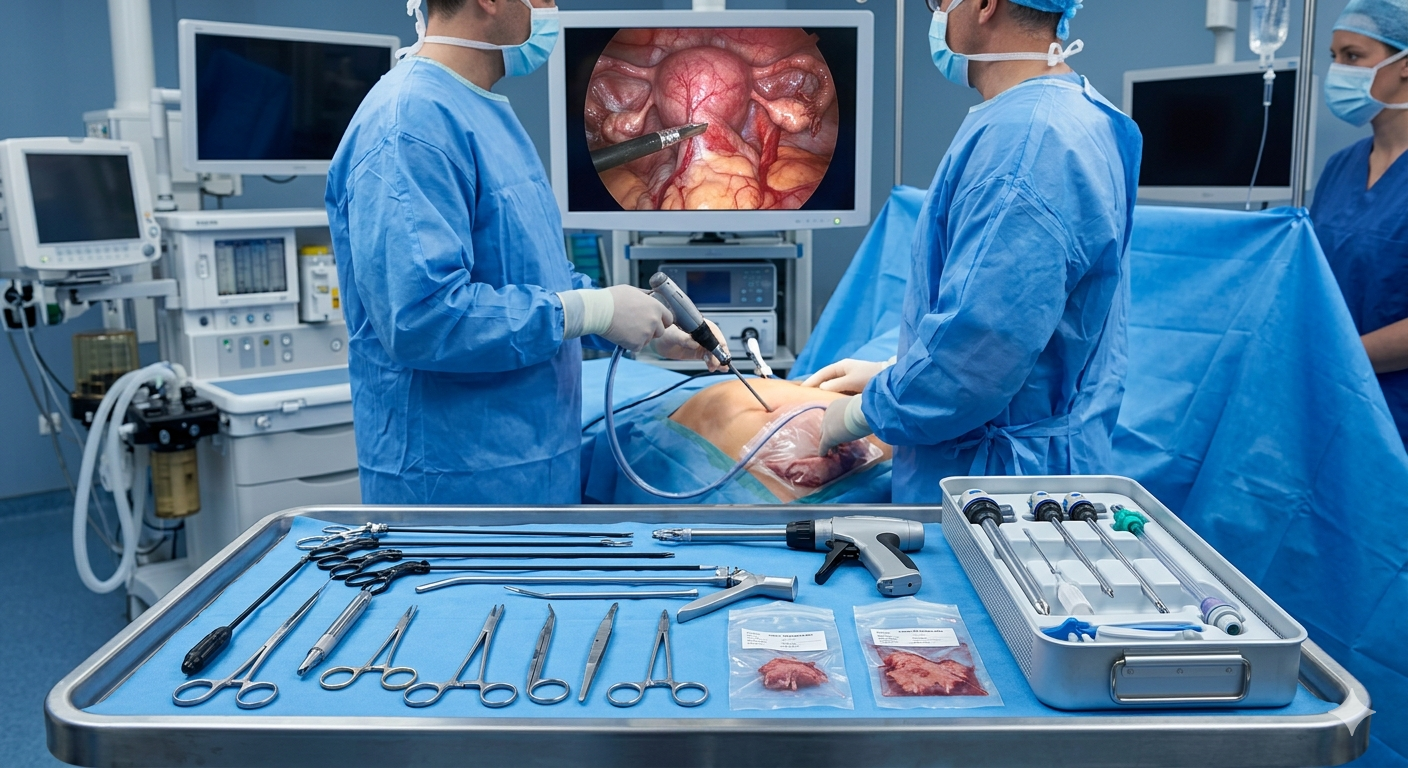
The Evolution of Modern Gynecological Surgery
The field of gynecological surgery has changed dramatically over the past few decades. Traditional open procedures that once required large abdominal incisions and lengthy hospital stays are increasingly being replaced by minimally invasive techniques that offer faster recovery, less pain, and improved patient outcomes.
At the center of this transformation are advanced laparoscopic instruments and surgical devices that allow surgeons to perform complex procedures with remarkable precision through small incisions.
The rise of minimally invasive surgery has not only improved patient experiences but has also enhanced surgical efficiency and expanded treatment options for a wide range of gynecological conditions.
Today, hospitals and surgical centers worldwide continue investing in sophisticated laparoscopic technologies to meet growing patient demand for safer and less invasive procedures.
Understanding Laparoscopic Surgery
Laparoscopic surgery, often referred to as minimally invasive surgery or keyhole surgery, involves performing surgical procedures through small incisions using specialized instruments and a camera system.
Instead of creating a large surgical opening, surgeons insert slender instruments and a laparoscope through ports placed in the abdominal wall.
The laparoscope provides high-definition visualization of internal anatomy, allowing surgeons to perform procedures with exceptional accuracy.
This approach has become increasingly popular because it minimizes tissue trauma while preserving excellent clinical outcomes.
The Importance of Laparoscopic Gynecology Instruments
Laparoscopic gynecology instruments are specifically designed to meet the unique requirements of female reproductive surgery.
These instruments enable surgeons to perform delicate procedures involving the uterus, ovaries, fallopian tubes, and surrounding structures with precision and control.
Healthcare providers seeking advanced laparoscopic gynecology instruments often prioritize reliability, ergonomic design, and compatibility with modern surgical systems.
The quality of surgical instruments directly impacts procedural efficiency, surgeon comfort, and patient outcomes.
Common Types of Laparoscopic Gynecology Instruments
Graspers
Graspers are used to hold and manipulate tissues during procedures.
Different jaw designs allow surgeons to handle delicate tissues while minimizing trauma.
Scissors
Laparoscopic scissors enable precise cutting of tissues during surgery.
They are available in multiple configurations depending on procedural requirements.
Dissectors
Dissectors assist surgeons in separating tissue planes and exposing anatomical structures.
Needle Holders
These instruments facilitate intracorporeal suturing and tissue repair during minimally invasive procedures.
Suction and Irrigation Devices
These devices help maintain visibility within the surgical field by removing fluids and debris.
Energy Devices
Advanced energy systems allow surgeons to cut tissue and achieve hemostasis simultaneously.
What Are Laparoscopic Surgery Devices?
Laparoscopic surgery devices encompass a broader category of equipment used during minimally invasive procedures.
These include:
-
Trocar systems
-
Insufflation equipment
-
Camera systems
-
Energy platforms
-
Morcellation devices
-
Tissue extraction systems
-
Imaging technologies
-
Robotic interfaces
Together, these technologies create the foundation for modern minimally invasive surgery.
Healthcare institutions evaluating laparoscopic surgery devices often seek integrated solutions that improve workflow efficiency and procedural performance.
Why Minimally Invasive Gynecological Surgery Matters
The transition toward laparoscopic surgery has been driven largely by the benefits experienced by patients.
Reduced Postoperative Pain
Smaller incisions generally result in less tissue damage and lower pain levels after surgery.
Faster Recovery
Many patients return to normal activities significantly sooner than after open procedures.
Shorter Hospital Stays
Minimally invasive surgery frequently reduces hospitalization requirements.
Lower Infection Risk
Smaller wounds may reduce the likelihood of postoperative infections.
Improved Cosmetic Outcomes
Minimal scarring remains an important consideration for many patients.
These advantages continue to drive demand for laparoscopic solutions across healthcare systems worldwide.
Common Gynecological Procedures Performed Laparoscopically
Hysterectomy
Laparoscopic hysterectomy has become one of the most commonly performed minimally invasive gynecological procedures.
Myomectomy
Fibroid removal can often be performed laparoscopically, allowing patients to avoid larger abdominal incisions.
Endometriosis Treatment
Advanced laparoscopic visualization enables surgeons to identify and remove endometriotic lesions with greater precision.
Ovarian Cyst Removal
Many ovarian cyst procedures can be successfully completed using minimally invasive techniques.
Ectopic Pregnancy Management
Laparoscopic surgery frequently provides an effective treatment option for selected ectopic pregnancies.
Technological Innovations in Laparoscopic Surgery
The rapid advancement of surgical technology continues to reshape gynecological care.
High-Definition Imaging
Modern camera systems provide exceptional visualization of anatomical structures.
Three-Dimensional Visualization
3D imaging technologies improve depth perception and spatial awareness during surgery.
Advanced Energy Platforms
Modern energy devices allow precise tissue dissection while minimizing collateral damage.
Robotic-Assisted Surgery
Robotic technologies continue expanding the possibilities of minimally invasive procedures.
Smart Instrumentation
Emerging devices incorporate feedback systems and enhanced control mechanisms that improve surgeon performance.
The Importance of Ergonomic Design
Laparoscopic procedures can be physically demanding for surgeons due to prolonged operating times and complex instrument manipulation.
Ergonomic instrument design contributes significantly to:
-
Reduced fatigue
-
Improved precision
-
Enhanced comfort
-
Better procedural efficiency
-
Greater surgeon satisfaction
Manufacturers increasingly prioritize ergonomics when developing next-generation surgical devices.
Factors Hospitals Consider When Selecting Surgical Devices
Healthcare facilities evaluate multiple factors before investing in new surgical technologies.
Product Reliability
Consistent performance is essential in demanding operating room environments.
Clinical Performance
Devices should support procedural efficiency and excellent patient outcomes.
Regulatory Compliance
Medical devices must meet relevant quality and safety standards.
Training Support
Comprehensive education programs help maximize clinical success.
Service and Maintenance
Reliable technical support minimizes downtime and operational disruptions.
Hospitals frequently seek suppliers offering comprehensive laparoscopic surgery devices alongside training and long-term support services.
Economic Benefits of Laparoscopic Surgery
Beyond clinical improvements, minimally invasive surgery also provides operational advantages.
These include:
-
Reduced hospital stays
-
Lower postoperative care requirements
-
Faster patient turnover
-
Improved operating room utilization
-
Reduced complication-related costs
Healthcare systems increasingly recognize these economic benefits when investing in laparoscopic technologies.
Training and Surgeon Expertise
Advanced surgical instruments are only as effective as the professionals using them.
Successful laparoscopic surgery requires expertise in:
-
Camera navigation
-
Instrument handling
-
Tissue manipulation
-
Energy application
-
Suturing techniques
-
Procedural planning
Continuous professional education remains essential as technologies continue evolving.
The Growing Role of Robotics
Robotic-assisted surgery represents one of the fastest-growing areas within minimally invasive gynecology.
Robotic systems provide:
-
Enhanced dexterity
-
Improved visualization
-
Greater precision
-
Better ergonomics
-
Expanded procedural capabilities
While traditional laparoscopy remains highly effective, robotics continue to broaden the possibilities of minimally invasive care.
Sustainability in Surgical Device Manufacturing
Sustainability has become an increasingly important consideration for healthcare organizations.
Manufacturers are exploring:
-
Reusable instrument platforms
-
Reduced packaging waste
-
Improved sterilization methods
-
Longer device life cycles
These efforts align with broader healthcare sustainability initiatives worldwide.
The Future of Laparoscopic Gynecology
The future of gynecological surgery will almost certainly continue moving toward less invasive approaches.
Emerging technologies are expected to deliver:
-
Smaller incisions
-
Enhanced imaging
-
Artificial intelligence integration
-
Greater procedural precision
-
Improved patient outcomes
Hospitals investing in high-quality laparoscopic gynecology instruments today are positioning themselves for the next generation of surgical innovation.
Choosing the Right Technology Partner
Selecting a medical device supplier involves more than evaluating product specifications alone.
Healthcare organizations should consider:
-
Product quality
-
Innovation capabilities
-
Clinical support
-
Training programs
-
Regulatory expertise
-
Service infrastructure
Strong partnerships between healthcare providers and manufacturers contribute significantly to long-term clinical success.
Conclusion
Laparoscopic gynecology instruments and laparoscopic surgery devices have revolutionized modern women's healthcare.
By enabling complex procedures through small incisions, these technologies provide substantial benefits for both patients and healthcare providers.
Advances in imaging, energy delivery, robotics, and instrument design continue expanding the capabilities of minimally invasive surgery while improving safety and outcomes.
As patient expectations and healthcare standards continue evolving, investment in advanced laparoscopic technologies will remain central to the future of gynecological surgery.
Healthcare institutions that embrace innovation today are better positioned to deliver exceptional patient care tomorrow.
Frequently Asked Questions
1. What are laparoscopic gynecology instruments used for?
These instruments are used during minimally invasive procedures involving the female reproductive system, including hysterectomy, myomectomy, and endometriosis treatment.
2. What are the advantages of laparoscopic surgery over open surgery?
Benefits include reduced pain, shorter hospital stays, faster recovery, lower infection risk, and improved cosmetic outcomes.
3. What types of devices are included in laparoscopic surgery systems?
Common devices include trocars, camera systems, energy devices, insufflators, tissue extraction systems, and specialized surgical instruments.
4. Is robotic surgery replacing traditional laparoscopy?
Robotic surgery is expanding rapidly, but traditional laparoscopy remains widely used and highly effective for many procedures.
5. Why is surgeon training important in laparoscopic surgery?
Advanced technologies require specialized skills to ensure patient safety and maximize clinical outcomes.
6. How do hospitals choose laparoscopic surgical equipment?
Hospitals typically evaluate reliability, clinical performance, regulatory compliance, training support, and long-term service availability when selecting equipment.

 English
 Arabic
 French
 Spanish
 Portuguese
 Deutsch
 Turkish
 Italiano
 Russian
 Romaian
 Portuguese (Brazil)
 Greek
Greek
