


Chemical Company in Pakistan: Industry Overview, Market Trends, and Future Growth
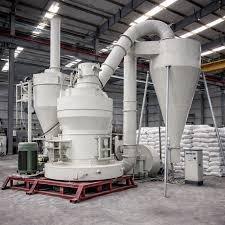
Chemical Company in Pakistan
The chemical industry in Pakistan serves as a backbone for the national economy. It supports essential sectors like agriculture, textiles, and manufacturing. From basic fertilizers that help grow food to complex polymers used in construction, chemical production powers much of the country's daily output. When you look at how a chemical company in Pakistan functions, you see a sector that links raw materials to finished goods used in homes and factories. This industry is central to how Pakistan grows its own products instead of buying them from abroad.
As global markets change, Pakistani firms are finding new ways to modernize their operations. They are looking for ways to use energy better and create products that meet international standards. This shift helps the country move toward self-reliance. It also helps companies find customers in other nations, boosting exports. Understanding this sector requires a close look at its main parts, key players, and the path forward for growth.
Major Segments in the Chemical Sector
The chemical industry is not one single entity. It consists of many sub-sectors that each play a specific role. These parts work together to form a supply chain that keeps factories running.
- Fertilizers: This is perhaps the most critical segment due to Pakistan’s heavy focus on farming. Companies produce urea, diammonium phosphate (DAP), and other nutrient mixes to ensure high crop yields.
- Petrochemicals: These plants turn oil and gas into raw materials like polymers. These are then used to make plastics, packaging, and pipes.
- Paints and Coatings: This segment serves the massive construction and automotive industries. It focuses on protective and decorative layers for homes and vehicles.
- Pharmaceuticals: Chemical plants supply the active ingredients and raw chemicals needed to create medicine.
- Specialty Chemicals: These are high-value products made for specific tasks. They are often used in textile dyeing, leather processing, and water treatment.
Each of these sectors brings different value to the economy. Together, they form a web of production that supports thousands of small and large businesses across the country.
The Petrochemical Sector in Pakistan
Petrochemicals are the building blocks for countless products we use every day. In Pakistan, the production of these chemicals is vital but also faces challenges. Most of the feedstocks used to make these chemicals require import, which makes local plants sensitive to global price changes.
The focus in this segment is on producing basic chemicals that domestic factories need. Polymers like PVC are a prime example. They are used in pipes for plumbing, window frames, and other building materials. If a chemical company in Pakistan can expand its production of these basic polymers, it helps downstream industries reduce their reliance on foreign supplies. This creates a more stable industrial environment within the country.
Fertilizer Production and Agrarian Support
Agriculture drives the Pakistani economy. Chemical companies that produce fertilizers are essential to this work. Without affordable and available urea or DAP, farmers would struggle to keep their land productive.
Major manufacturers in this space have built massive plants that operate around the clock. The government often works with these firms to set policies that manage gas supplies, which is the key input for urea production. By keeping this supply chain steady, the industry ensures food security. As demand grows, these companies are now looking to upgrade their technology to increase output without needing more land or energy.
Rising Demand for Specialty Chemicals
While fertilizers and basic petrochemicals get much of the attention, specialty chemicals are a quiet but strong growth area. These chemicals are tailored for specific uses, often in the textile and leather sectors.
For example, a textile mill needs precise chemicals to fix dyes to fabric so they do not wash out. Leather tanneries need specific agents to turn raw hides into soft goods. As Pakistan tries to export more finished textiles and leather goods, the demand for these high-quality specialty chemicals rises. Companies that can develop these niche products locally have a huge advantage. They save customers money on imports and offer faster delivery times.
Leading Chemical Companies in Pakistan
Several large firms dominate the industrial landscape. These companies have deep roots in the economy and employ thousands of workers.
Engro Polymer & Chemicals Limited is a prime example. They are the major producer of PVC in the country. Their work supports the construction industry by providing affordable piping solutions. Another notable name is Lucky Core Industries, formerly known as ICI Pakistan. They operate across many segments, including polyester, soda ash, and life sciences.
Sitara Chemical Industries is another major player, known for producing caustic soda and other essential industrial chemicals. These companies do more than just produce goods; they invest in infrastructure, train local engineers, and help build the industrial knowledge base of the country.
How Companies Drive Product Innovation
Innovation is no longer optional for chemical manufacturers. To stay competitive, companies are investing in research and development. They are setting up labs to test new formulations that are safer and more efficient.
Some firms are working with local universities to bridge the gap between academic research and factory floor reality. This helps them find ways to improve the quality of dyes for the textile industry or make fertilizers that are better for the soil. By focusing on R&D, these companies can offer products that compete with imported options in both quality and price.
Market Reach and Export Potential
Domestic demand is the primary driver for the chemical industry, but export potential is huge. Pakistani chemical products are finding their way into regional markets, including the Middle East and Central Asia.
Companies are starting to recognize the value of international certification. By following global standards, they can sell their goods to more demanding markets. This shift helps the country earn foreign exchange. It also forces local firms to improve their processes, which results in better products for local buyers as well.
Economic Impact and Job Creation
The chemical industry is a major engine for job growth. It provides work for chemical engineers, lab technicians, machine operators, and logistics staff. Because these plants are often large, they also support the communities around them by creating demand for local services.
The sector makes a significant contribution to the Gross Domestic Product. It also pays substantial taxes, helping fund public infrastructure. Every new chemical plant or expansion project adds to the total industrial output of the nation.
Value Addition in Downstream Industries
Chemical manufacturers act as suppliers for almost every other industry. When a plant makes soda ash, it is not just a chemical product; it is an ingredient for glass making, soap production, and paper manufacturing.
This value addition creates a chain reaction. When the chemical industry performs well, the textile industry can produce better cloth. The construction industry can build cheaper homes. The food industry can process goods more safely. By strengthening the chemical sector, the entire industrial base of the country becomes more efficient and productive.
Regulatory Hurdles and Policy Changes
Running a chemical company in Pakistan is not without its difficulties. The industry deals with complex regulations and frequent changes in tax laws. Import duties on raw materials can make it hard for local firms to compete with finished goods coming from abroad.
Energy costs are another major factor. Chemical plants need reliable gas and electricity to run continuously. When supply is inconsistent, production slows down and costs rise. Policymakers are beginning to see these issues. There is a push to offer incentives for local manufacturing to make the sector more attractive for long-term investment.
Modernization and Technology Needs
The world of chemistry is moving toward automation and digital control. Modern plants use software to manage temperatures, pressures, and flow rates with high precision. This reduces waste and keeps workers safer.
For Pakistani companies, the challenge is the cost of upgrading old machinery. However, the benefits are clear. Modernized plants use less energy and produce less waste. Companies that take the step to automate their lines usually see a quick return on their investment through higher quality yields and fewer operational delays.
Environmental Stewardship and Sustainability
Global customers now demand products that are made with clean processes. This means managing waste water, reducing carbon emissions, and avoiding toxic byproducts. Leading chemical firms in Pakistan are starting to adopt these green practices.
Some companies are testing water-saving techniques in textile processing. Others are looking at ways to capture and reuse heat from their plants. These efforts are not just good for the environment; they also help companies save money on raw materials and energy. Adopting these international standards is becoming a key way for local firms to win over global partners.
Strategies for Import Substitution and Exports
The goal for the industry is to buy less from outside and sell more to the world. Import substitution does not mean closing borders; it means making the same items locally at a competitive price.
To achieve this, the industry needs to focus on mid-sized chemical products that are currently imported. By building local capacity for these goods, companies can shorten their supply chains. Simultaneously, focusing on high-end specialty chemicals for export provides a path to enter global markets. This two-pronged approach builds a stronger, more resilient industry.
Future Outlook for the Chemical Industry
The outlook for chemical manufacturing is positive. As the population grows, so does the demand for everything from clothes and housing to food. This growth guarantees a steady market for chemical products.
Emerging trends include a focus on advanced materials and chemicals that support renewable energy. If the industry can tap into these areas, it will secure its place in the modern global economy. Government support in the form of stable energy policies and tax relief will be crucial to helping firms make these big investments.
Investment Drivers and Growth Areas
Investors looking at the chemical sector should watch for companies that are expanding into specialty niches. The shift toward export-oriented production is a strong sign of long-term health.
Another growth driver is infrastructure development. As the country builds more roads, dams, and housing, the demand for construction chemicals will soar. Companies that are preparing for this wave of construction are well-positioned for success. The sector is moving toward a more professional and efficient model, making it an area to watch for those interested in Pakistan’s industrial future.

 English
 Arabic
 French
 Spanish
 Portuguese
 Deutsch
 Turkish
 Dutch
Dutch
 Italiano
 Russian
 Romaian
 Greek
Greek
