


Why the Riyal to PKR Rate Matters to Millions
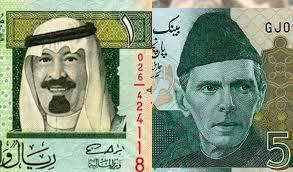
Riyal to PKR Rate
Every day, millions of Pakistanis across the country check their phones for one number that determines the financial well-being of their households: the riyal to PKR rate. This single exchange rate connects the lives of overseas workers in Saudi Arabia, the United Arab Emirates, and Qatar to their families in Lahore, Peshawar, and Karachi. The Saudi riyal, in particular, holds special significance because Saudi Arabia hosts the largest community of Pakistani expatriates in the world, with over two million workers sending home billions of riyals annually. These remittances form the backbone of Pakistan's economy, often exceeding the value of major exports and providing a vital safety net for millions of families. The riyal to PKR rate is therefore not merely a financial statistic; it is the economic lifeline that pays for school fees, medical treatments, home renovations, and daily groceries. Understanding what drives this rate, how it fluctuates, and what it means for the average Pakistani is essential for anyone who depends on remittances, whether they are a worker in Riyadh or a family member in a small village.
A Stable Foundation: Understanding the Saudi Riyal's Pegged System
To understand the riyal to PKR rate, one must first understand the Saudi riyal itself. Unlike many currencies that float freely against others, the Saudi riyal has been pegged to the United States dollar at a fixed rate of 3.75 riyals per dollar for decades. This peg provides extraordinary stability to the Saudi currency, shielding it from the wild fluctuations that affect other regional currencies. Because the riyal is essentially a shadow of the dollar, the riyal to PKR rate moves in close alignment with the dollar to PKR rate. When the Pakistani rupee weakens against the dollar, it also weakens against the riyal, and vice versa. This relationship simplifies understanding for remittance senders, who can generally predict riyal to PKR movements by watching the dollar's performance. However, the peg also means that the riyal to PKR rate is indirectly influenced by US monetary policy, global economic trends, and the strength of the American economy. For Pakistani workers in Saudi Arabia, this stability is a blessing, as it provides predictability for their budgeting and remittance planning.
The Bigger Picture: Pakistan's Economic Factors Driving the Riyal to PKR Rate
While the riyal itself remains stable, the riyal to PKR rate is heavily influenced by Pakistan's domestic economic conditions. When Pakistan imports more goods and services than it exports, the country faces a current account deficit, meaning it needs more foreign currency than it earns. This increased demand for foreign currency weakens the rupee against all currencies, including the riyal. Pakistan's reliance on oil imports is a major factor in this dynamic, as the country must spend billions of dollars annually to meet its energy needs. When global oil prices rise, Pakistan's import bill swells, creating more demand for foreign currency and pushing the riyal to PKR rate higher. Similarly, when Pakistan successfully exports textiles, rice, or sports goods, it earns foreign currency that can strengthen the rupee and lower the riyal to PKR rate. The State Bank of Pakistan plays a critical role in managing these dynamics through monetary policy, interest rate adjustments, and foreign exchange interventions aimed at smoothing out extreme fluctuations. However, these measures are often temporary solutions to structural problems that require long-term economic reforms.
The Open Market Reality: How Exchange Companies Shape the Riyal to PKR Rate
For ordinary Pakistanis receiving remittances, the official interbank rate is often not the rate they actually receive. Exchange companies and money changers operate in the open market, where they add margins to cover their operational costs, risk, and profit. These margins create a gap between the interbank rate and the open market rate for the riyal to PKR conversion. The open market rate is typically slightly weaker for the rupee, meaning exchange companies offer fewer rupees per riyal than the official rate. This gap can vary significantly depending on market conditions, with the spread widening during periods of economic uncertainty or increased demand for foreign currency. For a family receiving a remittance of a few thousand riyals, this gap can translate into a noticeable difference in the rupees they receive. Savvy recipients often shop around among different exchange companies, comparing rates before converting their riyals. Some companies offer better rates for larger amounts, while others may have lower fees or faster service. Understanding the difference between the interbank and open market riyal to PKR rate is essential for maximizing the value of remittances.
Seasonal Patterns: How the Calendar Affects the Riyal to PKR Rate
One of the most fascinating aspects of the riyal to PKR rate is its seasonal behavior. The rate is not constant throughout the year; it responds to predictable patterns influenced by the Islamic calendar and Pakistan's agricultural cycles. During the month of Ramadan and the weeks leading up to Eid, remittance volumes typically surge as overseas Pakistanis send extra money to their families for celebrations, charity, and holiday expenses. This increased supply of riyals can temporarily lower the riyal to PKR rate, meaning each riyal buys fewer rupees. Conversely, during the Hajj season, demand for riyals from Pakistani pilgrims traveling to Saudi Arabia spikes, which can push the riyal to PKR rate higher. Similarly, at the beginning of the academic year in Pakistan, families often need additional funds for school fees and supplies, increasing demand for riyals and potentially raising the rate. Understanding these seasonal patterns allows families to plan their remittance conversions strategically, avoiding the most expensive times of the year and capitalizing on periods when the rate is more favorable. However, seasonal patterns are never guaranteed, and unexpected economic events can easily override them.
The Remittance Landscape: How Different Channels Affect the Riyal to PKR Rate
The channel through which a remittance is sent significantly impacts the effective riyal to PKR rate that the recipient receives. Traditional bank transfers offer the advantage of security and reliability, but they often come with higher fees and less favorable exchange rates. Wire transfers through major banks may take several days to clear and involve intermediary banks that deduct their own fees, reducing the final amount received in rupees. On the other hand, specialized money transfer operators and digital remittance platforms have emerged as competitive alternatives, offering faster transfers and rates closer to the interbank riyal to PKR rate. These platforms leverage technology to reduce operational costs and pass the savings on to customers. However, not all digital platforms are created equal, and some charge hidden fees or offer rates that appear attractive but are offset by additional charges. Recipients should carefully compare the total cost of a transfer, including both fees and the exchange rate, rather than simply looking at the riyal to PKR rate quoted. The most cost-effective option for a worker sending riyals from Saudi Arabia to Pakistan may differ depending on the amount being sent, the urgency of the transfer, and the recipient's location.
Looking Ahead: The Future of the Riyal to PKR Rate
Predicting the long-term trajectory of the riyal to PKR rate requires examining several structural factors that will shape Pakistan's economy in the coming years. Pakistan's ongoing need for foreign exchange to service external debt, import essential goods, and support domestic industries will continue to create demand for dollars and riyals, putting upward pressure on the riyal to PKR rate. However, potential developments such as increased exports, growth in the information technology sector, and improvements in energy efficiency could reduce Pakistan's reliance on imports and strengthen the rupee. Additionally, the diversification of Saudi Arabia's economy away from oil dependency, as envisioned in the Vision 2030 plan, could reshape the nature of Saudi-Pakistani economic relations. A more diversified Saudi economy might create new employment opportunities for Pakistanis in sectors beyond construction and domestic services, potentially increasing remittance volumes and affecting the riyal to PKR rate. The global trend toward de-dollarization, where countries seek to reduce their dependence on the US dollar for international trade, could also have implications for the riyal to PKR rate, though the riyal's peg to the dollar makes it less directly affected than other currencies. For the average Pakistani family, the best strategy is not to try to predict the future but to build financial resilience through diversification of income sources, savings in stable assets, and careful budgeting that accounts for potential currency fluctuations.
Practical Wisdom: Managing Finances in a Fluctuating Riyal to PKR Environment
For families who depend on remittances, practical wisdom is essential for navigating the riyal to PKR rate's fluctuations. The first principle is to avoid making emotional decisions based on short-term movements. A sudden drop or rise in the rate can provoke panic, but currency rates naturally fluctuate, and long-term trends matter more than daily changes. The second principle is to diversify the timing of conversions. Rather than converting an entire remittance at once, consider converting smaller amounts over several days or weeks, averaging out the riyal to PKR rate over time. The third principle is to build a buffer in savings, setting aside a portion of each remittance in a foreign currency account or in stable assets like gold that can protect against currency depreciation. The fourth principle is to stay informed about economic developments in both Saudi Arabia and Pakistan, understanding how political events, policy changes, and global trends might affect the riyal to PKR rate. Finally, families should maintain open communication with their overseas workers about financial needs and plans, ensuring that remittances are timed and directed in ways that maximize their value. By applying these principles, Pakistani families can turn the riyal to PKR rate from a source of anxiety into a manageable aspect of their financial lives.

 English
 Arabic
 French
 Portuguese
 Deutsch
 Turkish
 Dutch
Dutch
 Italiano
 Russian
 Romaian
 Portuguese (Brazil)
 Greek
Greek