


Mobile Mechanic in Grays: How to Prepare Your Car for Its MOT Test
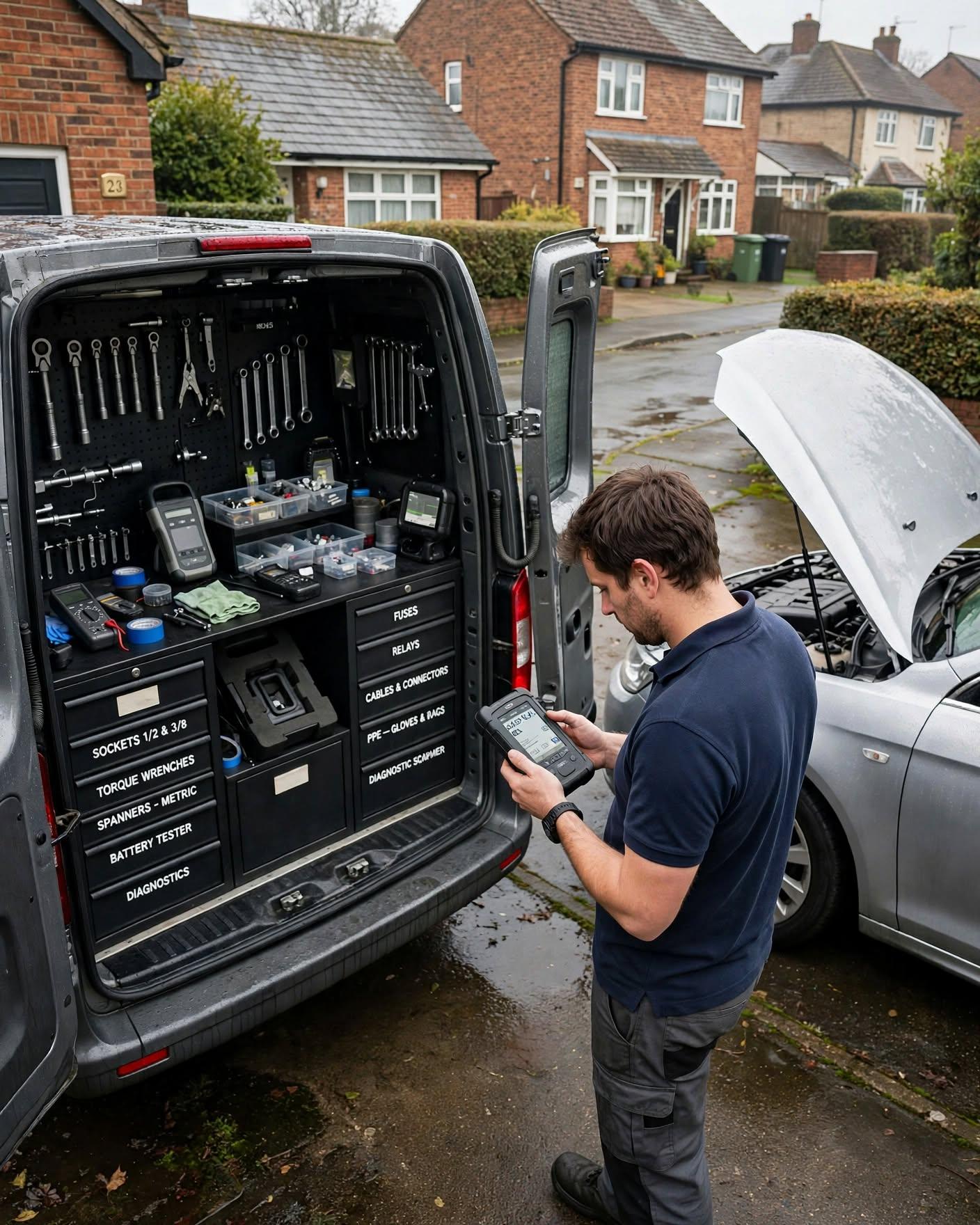
An MOT test checks whether a vehicle meets the required roadworthiness and environmental standards in the UK. For many drivers, preparing for an MOT can feel stressful, especially when they are unsure which parts of the vehicle need attention.
The good news is that a few simple checks before your appointment can help you identify common problems. Faulty lights, worn tyres, damaged wipers, and certain dashboard warning lights can all affect the result. Although these checks cannot guarantee a pass, they can help you spot issues that may need attention beforehand.
Understanding basic vehicle maintenance can also help you keep your car in better condition throughout the year. If you need information about local vehicle support, Mobile Mechanic in Kent is a relevant service page to explore.
What Is an MOT Test?
An MOT test is a legal inspection required for most cars once they reach three years old, with some exceptions. It assesses whether the vehicle meets the minimum standards for roadworthiness and environmental performance at the time of testing.
The inspection covers several areas, including:
-
Brakes and steering.
-
Tyres, wheels, and suspension.
-
Headlights, indicators, and other lights.
-
Windscreen, wipers, and washers.
-
Seat belts and relevant safety systems.
-
Exhaust emissions and certain warning lights.
-
Vehicle structure and other required components.
An MOT pass does not mean a vehicle is guaranteed to remain roadworthy until its next test. Drivers are still responsible for maintaining their vehicles and addressing faults as they develop.
Check Your Car's Lights Before the MOT
Lighting problems are a common reason vehicles fail their MOT. Fortunately, many basic lighting checks can be carried out before the appointment.
Headlights and Rear Lights
Switch on your headlights and check that both sides work correctly. Inspect the rear lights and make sure the lenses are secure and not excessively damaged.
Cloudy or damaged headlight lenses can affect light output, while incorrect headlight aim may also cause problems during testing.
Brake Lights
Ask someone to stand behind the car while you press the brake pedal. Check that the brake lights illuminate when required.
A failed brake light can make it harder for drivers behind you to recognise when you are slowing down. Replace a faulty bulb only if the design allows you to do so safely and follow the vehicle handbook.
Indicators and Hazard Lights
Check that all indicators flash correctly and that the hazard warning lights operate as expected.
Look for cracked lenses, loose fittings, or lights that flash unusually quickly. These symptoms may indicate a failed bulb or an electrical problem that needs investigation.
Number Plate Lights
Make sure the rear number plate is illuminated when the relevant lights are switched on. Also check that the registration plate is clean, readable, and securely fitted.
If a light does not work after a suitable bulb replacement, the fault may involve wiring, a fuse, or another electrical component.
Inspect Your Tyres and Wheels
Tyre condition is another important part of vehicle safety and the MOT inspection. Checking tyres before the test can help you identify obvious issues that need attention.
Check the Tread Depth
For most car tyres in the UK, the legal minimum tread depth is 1.6 mm across the central three-quarters of the tread and around its entire circumference.
Tyres close to the legal limit may need replacing soon, so checking them before the test can help you plan ahead.
Look for Visible Damage
Inspect the tyre sidewalls and tread for cuts, bulges, cracks, or exposed cords. These can indicate damage that may make the tyre unsafe or cause an MOT failure.
Do not continue driving on a tyre with serious damage. Arrange a professional inspection if you are unsure about its condition.
Check Tyre Pressure
Use a suitable pressure gauge to check tyre pressures when the tyres are cold. Follow the manufacturer's recommended figures, usually shown in the vehicle handbook or on a label inside the car.
Incorrect tyre pressure can affect handling, tyre wear, and fuel efficiency. Although pressure alone is not a substitute for checking the tyre's condition, it is an important part of routine maintenance.
Examine the Wheels
Look for obvious cracks or serious damage to the wheel rims and check for missing wheel bolts or nuts. If you notice a loose wheel, unusual vibration, or significant damage, seek professional assistance before driving.
Test Your Windscreen Wipers and Washers
Wipers and washers help maintain visibility, particularly in rain, road spray, and winter conditions.
Inspect the Wiper Blades
Check for split rubber, worn edges, or blades that leave streaks across the windscreen. Wipers that fail to clear the screen effectively may need replacing.
If the blades judder, smear water, or leave large uncleared areas, consider replacing them before the test.
Check the Washer Fluid
Make sure the washer reservoir contains suitable screenwash and that the washers spray correctly. An empty reservoir or blocked jets can prevent the system from working properly.
Use screenwash appropriate for the weather conditions and follow the vehicle manufacturer's guidance.
Check the Windscreen
Look for chips and cracks, especially in the area directly in front of the driver. The position and size of the damage can affect whether the vehicle meets the MOT requirements.
If you are unsure whether a chip is acceptable, arrange an assessment before the test rather than assuming it will pass.
Pay Attention to Dashboard Warning Lights
Modern cars use dashboard warning lights to alert drivers to problems with various systems. Some warnings can affect the MOT result, depending on the component and the applicable testing requirements.
Engine Management Light
An illuminated engine management light may indicate a fault with the engine or emissions system. Depending on the vehicle and the circumstances, it can lead to an MOT failure.
A diagnostic scan may help identify stored fault codes, but the codes must be interpreted correctly to establish the cause.
ABS Warning Light
The anti-lock braking system helps prevent the wheels from locking under heavy braking. If the ABS warning light remains illuminated, the system may have a fault that needs investigation.
Do not assume the issue will disappear without attention. Follow the vehicle handbook and arrange an inspection where necessary.
Airbag Warning Light
An airbag or supplementary restraint system warning can indicate a fault with an important safety feature. It should be investigated before the MOT test.
Avoid attempting repairs to airbag components yourself unless you have the necessary training and equipment.
Other Warning Lights
If any warning light remains on unexpectedly, check the vehicle handbook to understand what it means. Some warnings indicate routine maintenance, while others may require urgent action.
An MOT pre-check can help identify issues, but it does not replace a proper diagnosis when a fault is present.
Check Your Brakes and Steering
Brakes and steering are essential for vehicle control, and problems in either system should be addressed promptly.
Listen for Unusual Brake Noises
Squealing, grinding, or scraping sounds may indicate worn brake pads, damaged components, or debris near the brakes. Some noises have less serious causes, but persistent sounds deserve inspection.
If braking performance has changed or the pedal feels unusually soft, do not continue driving until the problem has been assessed.
Notice Changes in Steering
If the steering feels unusually heavy, the car pulls to one side, or you hear knocking noises when turning, there may be a steering, suspension, tyre, or wheel alignment issue.
These symptoms should not be ignored before an MOT. A mechanic can inspect the relevant components and recommend suitable repairs.
Look for Fluid Leaks
Check the ground beneath your parked car for unusual fluid patches, without touching unknown fluids. Leaks can originate from several systems, including the engine, cooling system, brakes, or steering system.
A brake fluid leak is particularly serious. If you suspect one or the brake pedal feels abnormal, do not drive the vehicle; arrange professional assistance.
Examine the Suspension and Exhaust System
Suspension and exhaust faults may be difficult to identify without lifting equipment, but some warning signs can be noticed during everyday driving.
Suspension Symptoms
Listen for knocking or clunking noises when driving over bumps. Excessive bouncing, uneven tyre wear, or a vehicle that appears to sit lower on one side may also indicate a problem.
A broken spring or damaged suspension component can affect handling and road safety. Have suspicious symptoms checked before continuing to drive if the vehicle feels unsafe.
Exhaust Problems
An unusually loud exhaust, visible damage, or exhaust fumes entering the cabin can indicate a problem.
Exhaust leaks can expose occupants to harmful gases. If fumes enter the vehicle, stop using it and arrange a professional inspection.
Emissions-Related Faults
The MOT includes emissions-related checks appropriate to the vehicle. A warning light or a poorly running engine may indicate an issue that needs diagnosis.
If the engine is misfiring, producing unusual smoke, or running poorly, have it assessed rather than relying on a last-minute fix.
How Regular Maintenance Can Help You Prepare
Preparing for an MOT is easier when you maintain the vehicle throughout the year instead of waiting until the test is due.
Follow the Service Schedule
Use the vehicle handbook to understand recommended servicing intervals and fluid checks. Regular maintenance can help identify worn components, leaks, and developing faults.
Keep Basic Records
Retain service receipts and records of repairs. These can help you understand previous work and provide useful information when discussing a recurring problem with a mechanic.
Address Small Problems Early
A faulty bulb, worn wiper blade, or tyre showing damage may be straightforward to address, but delaying maintenance can create unnecessary inconvenience.
If you notice a warning light, unusual noise, or change in vehicle performance, arrange a suitable check instead of waiting for the MOT appointment.
Do Not Rely on a Pre-MOT Checklist Alone
Basic checks can help you identify visible problems, but some defects require specialist tools, a lift, or diagnostic equipment. A home inspection cannot guarantee an MOT pass.
If you suspect a brake, suspension, steering, or emissions fault, professional assessment is the safer option.
What Should You Do If Your Car Fails Its MOT?
If your vehicle fails, read the MOT report carefully. It should identify the defects found and distinguish between different categories of failure or advisory information.
Understand the Defects
Some faults may be relatively straightforward to correct, while others require more extensive repairs. Ask the test centre or repairer to explain any items you do not understand.
Arrange the Necessary Repairs
The appropriate repair depends on the defect. A failed bulb may require a simple replacement, whereas brake, steering, or structural problems may need specialist work.
Do not assume that every failed vehicle can legally or safely be driven away from the test centre. Follow the applicable rules and the advice provided by the tester.
Arrange a Retest
Once the necessary work has been completed, follow the test centre's instructions about the retest. The process depends on where the repairs are carried out and the circumstances of the original test.
Keep the paperwork and confirm the retest arrangements before returning.
When Can a Mobile Mechanic Help?
Some faults identified before an MOT can be inspected or repaired at a suitable home or workplace location. Depending on the vehicle and the problem, mobile assistance may help with certain maintenance tasks, diagnostic checks, or component repairs.
However, not every MOT-related repair can be completed on-site. Some jobs require a vehicle lift, specialist workshop equipment, or a formal MOT test at an authorised test centre.
If you need general vehicle assistance, a Mobile Mechanic in Grays may be a useful starting point for exploring mobile services. Confirm that the specific repair is offered and that the vehicle can be worked on safely at your location.
Frequently Asked Questions
1. What should I check before taking my car for an MOT?
Check the lights, indicators, tyres, wipers, washer fluid, registration plates, and dashboard warning lights. Also pay attention to unusual brake noises, steering problems, and visible leaks.
2. Can I drive my car if its MOT has expired?
In general, you must not drive a vehicle on a public road without a valid MOT unless a specific legal exception applies, such as driving to a pre-booked MOT test or to or from certain repair appointments where permitted. The vehicle must still be roadworthy. Check the current GOV.UK guidance if you are unsure.
3. Does an MOT pass mean my car is mechanically perfect?
No. An MOT assesses minimum roadworthiness and environmental standards at the time of the test. It is not a full mechanical inspection and does not guarantee that no faults will develop afterwards.
4. Can worn tyres cause an MOT failure?
Yes. Tyres may fail if their tread depth is below the legal minimum or if they have certain cuts, bulges, exposed cords, or other defects. Check the condition of all tyres before the test.
5. Should I fix dashboard warning lights before my MOT?
You should investigate warning lights that remain illuminated unexpectedly. Some warning lights associated with testable systems can result in an MOT failure, depending on the vehicle and the relevant testing rules.
6. Can a mobile mechanic carry out an MOT test?
A mobile mechanic can offer certain checks and repairs, but a formal MOT test must be carried out by an authorised MOT testing station. Ask what checks are available before arranging a visit.
Final Thoughts
Preparing your car for an MOT does not need to be complicated. Checking the lights, tyres, wipers, washer fluid, and dashboard warnings can help you spot common problems before the appointment.
Regular maintenance is equally important. Follow the manufacturer's servicing guidance, address unusual symptoms promptly, and seek professional advice when a fault affects braking, steering, visibility, or other safety-related systems.
If you are also researching tyre assistance for journeys beyond your local area, Emergency Tyre Replacement in Kent is a relevant location-specific service page to explore.

 English
 Arabic
 French
 Spanish
 Portuguese
 Deutsch
 Turkish
 Dutch
 Russian
 Romaian
 Portuguese (Brazil)
 Greek
