


Automotive Repair Budgeting: Planning for Wet Timing Belt Replacement
A vehicle’s timing belt plays a vital role in keeping the engine running smoothly. However, many drivers are unaware that some modern engines use a wet timing belt, which operates inside the engine and is lubricated by engine oil. Although this design can reduce friction and improve efficiency, it also introduces specific maintenance requirements that vehicle owners should understand.
Knowing the factors that influence wet timing belt replacement cost can help motorists plan maintenance, avoid unexpected repair bills, and make informed decisions about their vehicles. From understanding manufacturer recommendations to recognising warning signs, preventative maintenance remains essential for protecting engine performance and reliability.
What Is a Wet Timing Belt and How Does It Work?
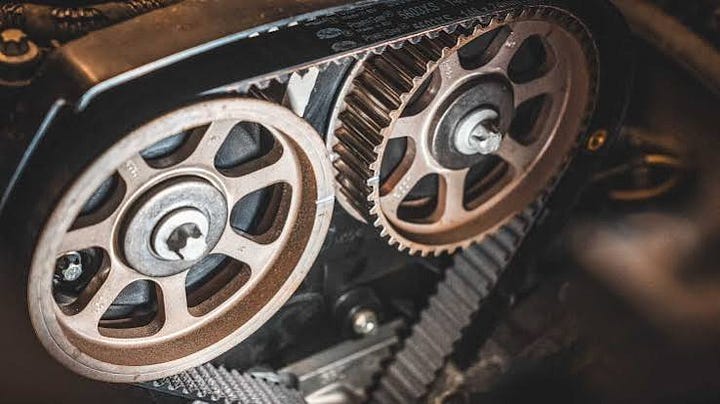
A wet timing belt is a toothed belt designed to operate in an engine’s oil environment. Like a conventional dry timing belt, it synchronises the rotation of the crankshaft and camshaft, ensuring that the engine’s valves open and close at the correct time.

The main difference is its operating environment. A traditional timing belt runs behind protective covers, away from engine oil, whereas a wet belt is designed to work while immersed in or exposed to lubricating oil.
This design can offer several advantages:
- Reduced friction: Lubrication helps minimise friction between moving components.
- Improved efficiency: Lower friction can contribute to fuel efficiency and reduced mechanical losses.
- Compact engine design: Wet belts can support specific engine packaging requirements.
- Reduced operating noise: They can operate more quietly than some alternative timing systems.
However, wet timing belts are sensitive to oil quality and specification. Using unsuitable engine oil, missing service intervals, or allowing contamination can accelerate deterioration. Over time, belt material may degrade, potentially releasing particles into the lubrication system.
These particles can restrict the oil pickup strainer or affect oil circulation, increasing the risk of serious engine damage.
What Influences Wet Timing Belt Replacement Cost?
The wet timing belt replacement cost varies depending on the vehicle, engine design, parts required, and labour involved. There is no single price that applies to every car, so drivers should obtain a vehicle-specific quotation before arranging repairs.

Several factors influence the overall expense.
Vehicle Make and Engine Design
Some engines allow relatively straightforward access to the timing belt, while others require substantial dismantling. Restricted access can increase workshop labour time and affect the final bill.
The availability and price of replacement components also differ between manufacturers and engine variants.
Labour and Additional Components
Replacing a wet belt may involve more than fitting a new belt. Depending on the engine and the manufacturer’s procedure, the work may include replacing related components, renewing engine oil and filters, cleaning affected areas, or inspecting the lubrication system.
A comprehensive quotation should clarify whether the following are included:
- Replacement belt and associated components.
- Labour and engine reassembly.
- Fresh engine oil and an appropriate oil filter.
- Inspection or cleaning of the oil pickup strainer, where necessary.
- Any additional seals, gaskets, or components required by the repair procedure.
Additional work should be based on the engine’s condition and manufacturer guidance rather than assumed to be necessary for every vehicle.
Engine Condition and Service History
A vehicle with a well-documented maintenance history may require less investigative work than one with unknown servicing records. If belt deterioration has already contaminated the lubrication system, further cleaning or repairs may be necessary.
Drivers should ask whether the quotation covers only preventive replacement or also addresses any existing damage.
When Should a Wet Timing Belt Be Replaced?
Replacement intervals vary according to the manufacturer, engine type, vehicle age, mileage, and operating conditions. Some manufacturers specify both a mileage limit and a time limit, meaning a vehicle may need attention even if it has covered relatively few miles.
Consulting the vehicle handbook and the manufacturer’s latest technical guidance is the most reliable starting point.
Motorists should also be aware of these potential warning signs:
- Unusual engine noises or changes in engine operation.
- Visible belt deterioration, swelling, cracking, or fraying where inspection is possible.
- Oil pressure warnings or lubrication-related symptoms.
- A documented history of incorrect engine oil or missed servicing.
These symptoms do not necessarily confirm wet timing belt failure, and some problems develop without obvious warning. If an oil pressure warning appears, stop the engine as soon as it is safe to do so and seek professional advice rather than continuing to drive.
Regular servicing is particularly important because a wet belt’s condition may not be easy to assess through a routine visual inspection alone.
Best Practices for Extending Wet Timing Belt Life
Preventative maintenance can reduce avoidable wear and help identify developing problems before they become expensive repairs.

Use the correct engine oil. Always follow the precise oil specification recommended for the vehicle. An oil meeting the wrong specification may affect belt durability, even when its viscosity appears suitable.
Follow servicing intervals. Change the engine oil and filter at the recommended intervals. Shorter intervals may be appropriate in certain severe operating conditions, but any adjustment should follow manufacturer guidance.
Keep maintenance records. Retain invoices showing oil specifications, service dates, mileage, and previous timing belt work. These records help technicians assess the vehicle’s maintenance history.
Investigate concerns early. If a warning light appears or engine behaviour changes, arrange an appropriate diagnostic inspection. Early investigation may help prevent a relatively minor issue from developing into a major engine repair.
Plan replacement proactively. Do not wait for obvious belt failure. Once the manufacturer’s replacement interval approaches, obtain advice and compare quotations that clearly explain the work included.

Finding Timing Belt Replacement Services in Trowbridge
For motorists seeking information about Timing Belt Replacements UK, choosing a workshop familiar with the vehicle’s engine design is an important consideration. A suitable technician should understand the manufacturer’s replacement procedure, use compatible components, and check whether the lubrication system requires additional attention.
Drivers researching Timing Belt Replacements Services should ask practical questions before authorising the work. These include whether the correct belt specification will be used, whether the oil and filter are included, what warranty applies to the parts and labour, and whether any additional repairs require separate approval.
For local information, S&M Auto Service provides details about its timing belt replacement offering in Trowbridge. Its service page, Timing Belt Replacements Trowbridge, is a useful starting point for motorists researching the work involved and seeking vehicle-specific guidance.
When comparing workshops, prioritise a clear explanation of the repair process rather than price alone. A detailed quotation makes it easier to understand the scope of work and identify potential additional costs before repairs begin.

Conclusion
Wet timing belts require careful maintenance because their durability depends on the correct oil specification, servicing routine, and manufacturer-recommended replacement schedule. Understanding the factors behind wet timing belt replacement cost helps drivers budget appropriately and recognise why quotations can differ between vehicles.
The most effective approach is to maintain accurate service records, investigate warning signs promptly, and arrange replacement before the recommended limit is exceeded. By choosing a qualified technician and confirming exactly what the repair includes, motorists can make informed maintenance decisions and reduce the risk of avoidable engine damage.
Contact Us : https://www.smautoservice.co.uk/contact-us/
About Us : https://www.smautoservice.co.uk/about-us/
Website Link : https://www.smautoservice.co.uk/

 English
 Arabic
 French
 Spanish
 Portuguese
 Turkish
 Dutch
 Italiano
 Russian
 Romaian
 Portuguese (Brazil)
 Greek
