


Creative Ways to Incorporate Curved Edges into Deck Designs
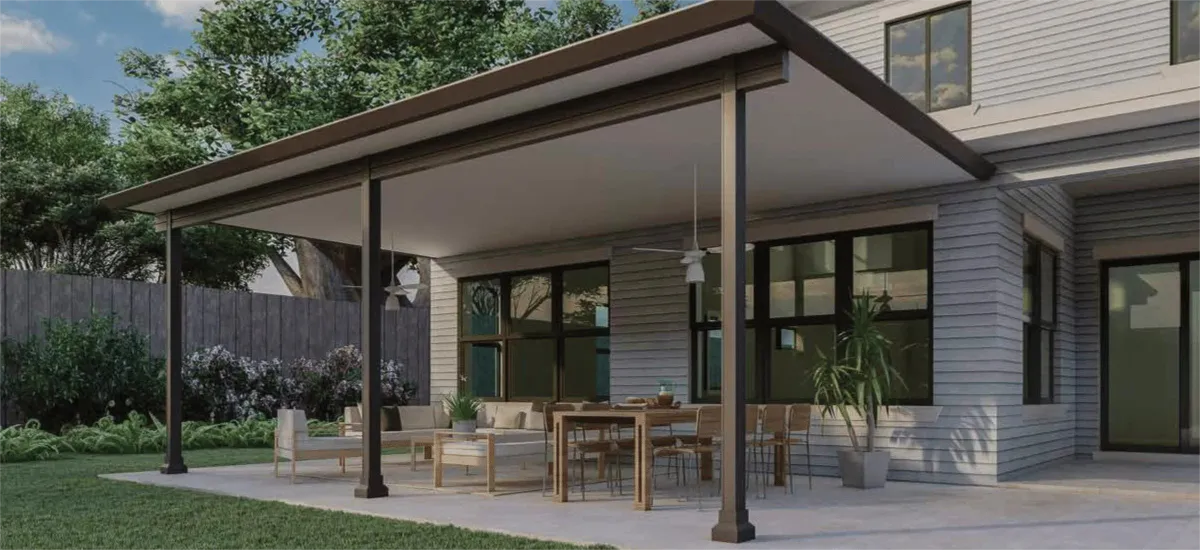
Creative Ways to Incorporate Curved Edges into Deck Designs
A well-designed deck can transform an ordinary backyard into an attractive and comfortable outdoor living space. While traditional decks often feature straight lines and rectangular shapes, curved edges offer a creative alternative that adds softness, elegance, and visual interest. Rounded corners, sweeping borders, and curved seating areas can make a deck feel more inviting while helping it blend naturally with the surrounding landscape. For homeowners who want something distinctive, incorporating curves into a deck design is an excellent way to combine beauty, functionality, and architectural character.
Homeowners planning an outdoor upgrade can explore ideas that reflect their property's layout, exterior style, and intended use. With thoughtful planning and professional craftsmanship, curved deck elements can become standout features that improve the overall appearance of a backyard.
1. Create a Welcoming Curved Deck Entrance
The entrance is one of the first features people notice when approaching an outdoor living area. Instead of using a sharp, square corner, homeowners can incorporate a gently rounded edge near the steps or main access point. This design creates a softer transition between the home, deck, and yard.
A curved entrance can also improve the flow of movement around the deck. For example, a rounded landing can guide visitors toward a seating area or outdoor dining space without making the layout feel restrictive. The shape can be especially attractive when paired with decorative railings, landscape lighting, and coordinated decking materials.
When planning this feature, it is important to maintain comfortable walking space and safe access. The curve should complement the stairs and surrounding pathways rather than create awkward turns or narrow passageways.
2. Add Curved Borders for Visual Interest
One of the simplest ways to introduce curves is through decorative deck borders. A deck may have a mostly rectangular layout while featuring a rounded perimeter section or a curved accent along one side. This approach creates a distinctive appearance without requiring every part of the structure to follow a complicated shape.
Contrasting deck board colors can make these borders even more noticeable. For example, a lighter central surface paired with a darker curved border can create an elegant frame. Alternatively, homeowners can use complementary shades of the same material for a subtle, coordinated effect.
The direction and placement of the boards also influence the final appearance. Carefully arranged decking patterns can emphasize the curve and make the surface look more refined. Proper measurements and precise cutting are essential because curved borders require more detailed workmanship than standard straight edges.
3. Design a Curved Seating Area
Built-in seating is a practical way to make a deck more comfortable, and curved benches can add a unique design element. Rather than placing several separate chairs around a table, homeowners can install a rounded bench that follows the shape of the deck's perimeter.
A curved bench works particularly well around a fire feature, a central coffee table, or an open conversation area. It encourages people to face one another and creates a natural gathering point for family members and guests. The seating can also be positioned to take advantage of garden views or a particularly attractive section of the yard.
Materials should be selected for outdoor durability and comfort. Smooth edges, appropriate seat depth, and weather-resistant finishes can help create a functional seating area that remains attractive over time. Designers should also preserve sufficient clearance for walking and moving furniture.
4. Blend Curved Edges with Garden Landscaping
Curved deck edges can create a natural connection between the built environment and the landscape. Straight deck boundaries sometimes look disconnected from lawns, flower beds, and winding garden paths. Rounded sections, however, can follow the gentle shapes already present in the yard.
For example, a deck might extend outward in a semicircular shape beside a flower bed or curve around an existing planting area. Low-growing plants, ornamental grasses, and decorative stones can emphasize the shape while softening the transition from decking to the ground.
Homeowners should consider mature plant sizes, root growth, drainage, and maintenance access before finalizing the design. Plants should not obstruct stairs, block pathways, or trap moisture against the deck structure.
For projects that require a balance between appearance and practical construction, working with a Deck builder in Atlanta, Georgia can help homeowners evaluate suitable layouts and materials for their outdoor environment.
5. Incorporate Curved Railings
Railings are important safety features, but they can also contribute significantly to a deck's appearance. A railing that follows a rounded perimeter can give the structure a smooth, continuous profile. Depending on the architectural style of the home, the railing may feature traditional wood components, modern metal elements, or composite materials.
Curved railings are particularly effective on elevated decks, where the outer edge is highly visible from the backyard. Their flowing lines can make a large structure appear less rigid and help connect different design elements.
However, curved railing systems require careful planning. The railing must follow applicable building codes, including requirements for height, openings, structural strength, and attachment. Materials and construction methods should be selected to support the intended curve without compromising stability.
6. Build a Rounded Dining or Entertainment Zone
A curved deck extension can provide a dedicated area for outdoor dining and entertainment. Instead of keeping the entire deck within a strict rectangular footprint, homeowners can create a rounded section that accommodates a dining table, lounge chairs, or a small gathering space.
This layout helps distinguish different activities without installing walls or other barriers. The main deck can support everyday movement, while the curved extension becomes a destination for meals, conversations, and relaxation.
Furniture selection is important. Round tables and curved benches often complement this arrangement, although rectangular furniture can also work if enough space remains around it. Homeowners should account for chair movement, circulation routes, and the distance between cooking equipment and seating.
Before construction, the planned extension should be checked for adequate structural support and any additional requirements associated with its size or location.
7. Use Curves to Frame Backyard Views
A deck should take advantage of its surroundings whenever possible. Curved edges can help direct attention toward a garden, a mature tree, a landscaped pond, or an open lawn. A rounded viewing platform can create a subtle sense of separation while keeping the outdoor space visually connected.
For example, a curved section extending from the main deck can accommodate two lounge chairs facing the garden. This creates a quiet retreat without requiring a separate patio or detached structure.
The shape should be designed around the actual view rather than added only for decoration. Sun exposure, privacy, nearby buildings, and natural shade can influence the best location. Railings and furniture should be positioned so they do not unnecessarily obstruct the intended sightline.
Thoughtful placement makes the curved feature feel like a natural part of the property instead of an unrelated architectural addition.
8. Combine Curved Edges with Multi-Level Decks
Multi-level decks offer another opportunity to introduce rounded shapes. A primary rectangular platform can connect to a lower curved seating area or a rounded landing leading toward the garden. This creates visual variety while helping organize spaces for different purposes.
For example, the upper level might serve as an outdoor dining area, while the lower curved section provides room for lounging or enjoying the landscape. The change in elevation can establish distinct zones without requiring solid partitions.
Safety must remain a priority. Stairs, transitions, guardrails, and structural supports should be carefully designed. Curved edges must not interfere with stair placement or reduce the usable width of important pathways.
A qualified contractor can assess whether the existing structure can accommodate the additional shape and determine the appropriate framing, footings, and connections.
9. Select Materials That Support Curved Designs
The choice of decking material affects both the appearance and complexity of a curved design. Natural wood can provide a warm, traditional finish, while composite decking offers a range of colors and maintenance characteristics that may suit contemporary outdoor spaces.
Not every board or railing product can accommodate every curve. Some designs require specialized fabrication, segmented construction, or carefully fitted pieces rather than bending standard boards directly. Homeowners should confirm the manufacturer's installation instructions and material limitations before choosing a particular design.
A professional Deck builder in Atlanta, Georgia can help compare available options, explain construction requirements, and coordinate the decking surface with railings, trim, and other exterior features.
Budget should also be considered. Curved sections generally require more layout work, cutting, fitting, and material planning than simple straight edges. Establishing the desired design and cost range early can help avoid unnecessary changes during construction.
10. Maintain Curved Deck Features Properly
Although curved edges can improve a deck's appearance, they still require regular care. Homeowners should inspect the surface, railings, fasteners, stairs, and supporting structure for signs of wear or damage. Particular attention should be given to joints, cut edges, and areas where moisture may collect.
Wood decking may require periodic cleaning, sealing, or staining, depending on the species, finish, and exposure conditions. Composite products should be maintained according to the manufacturer's recommendations. Leaves, dirt, and debris should be removed from narrow gaps and perimeter areas to support drainage and reduce moisture-related problems.
Landscaping should also be maintained so that plants do not block access for inspections or allow excessive moisture to remain around the structure. Promptly addressing loose boards, damaged connections, and deteriorating finishes helps preserve both appearance and safety.
Conclusion
Curved edges offer many opportunities to make a deck more attractive, functional, and distinctive. From rounded entrances and decorative borders to built-in seating, landscaped transitions, and multi-level platforms, curves can soften a structure's appearance while creating useful outdoor living areas.
The best design depends on the property's architecture, available space, budget, and the activities the homeowners want to enjoy. Careful planning ensures that curved elements complement the home rather than interfere with movement, safety, or maintenance.
Homeowners considering a custom outdoor upgrade can explore the services and project possibilities offered by TRG Decks .A thoughtfully planned design and quality construction can turn curved deck features into lasting highlights of a backyard, providing a welcoming place to relax, entertain, and appreciate the outdoors.
 Arabic
 English
 French
 Spanish
 Portuguese
 Deutsch
 Turkish
 Dutch
 Italiano
 Russian
 Romaian
 Portuguese (Brazil)
 Greek
